iPhone Duo Sold Out in 30 Minutes — But the Real Story Is Deeper
Apple's iPhone Duo pre-orders vanished in 30 minutes and shipping has slipped to 2027. The chaos reveals a supply-chain trap that could reshape the foldable market.
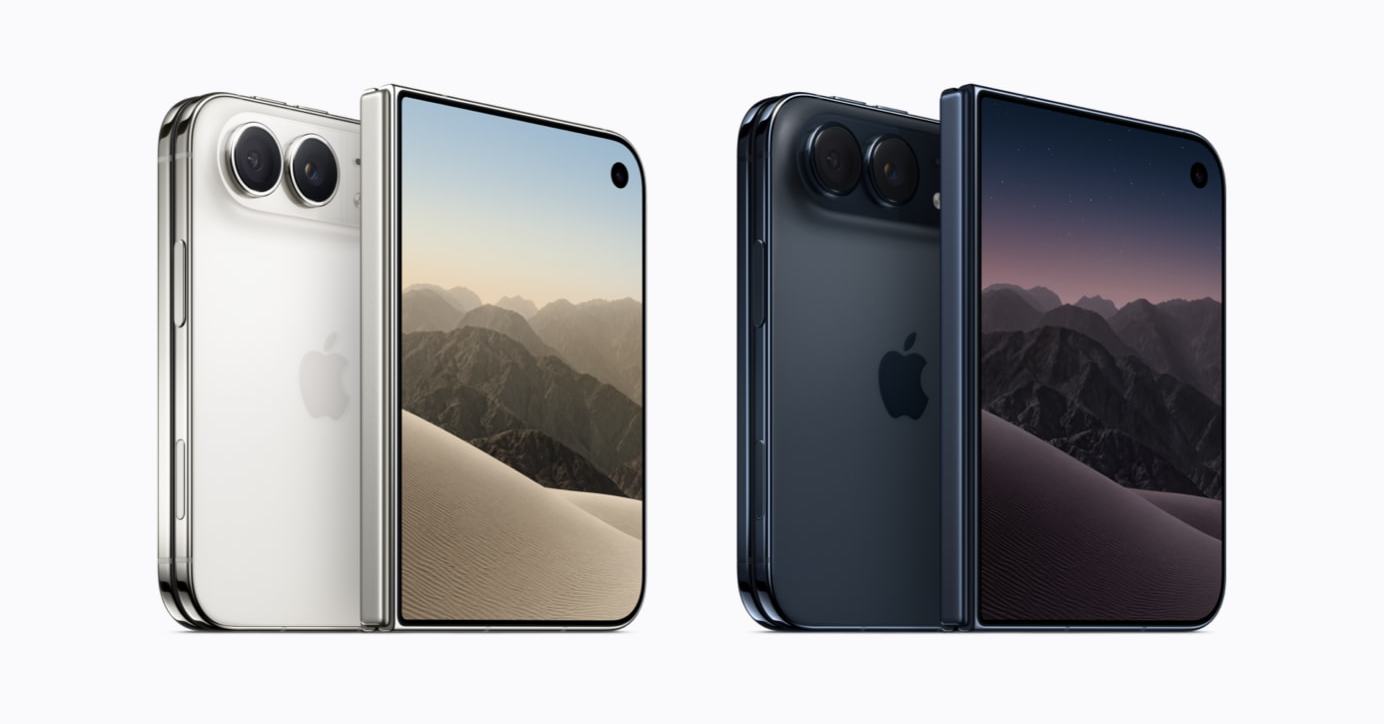
The 30-Minute Panic That Exposed Apple’s Foldable Gamble
Apple’s first foldable phone, called the iPhone Duo, went on pre-order in Japan on October 16. By 9:30 am local time, the ordering page wasn’t even loading for most customers. By nightfall, the shipping date listed at the Apple Store had jumped from late January all the way to January 2027. Apple itself called the demand “extremely unusual” — a corporate phrase that barely disguises the fact that it has no idea how to fill the orders it just created.
This is not a normal product launch. This is a signal that Apple walked into a supply-chain minefield it never fully understood, and it may have consequences far beyond a few disappointed customers in Tokyo.
Gurman Was Right to Call It a Major Mistake
Bloomberg’s Mark Gurman, who has been tracking Apple’s hardware roadmap for years, did not hold back. He said Apple knew the Duo’s manufacturing complexity would create severe shortages — and launched anyway, prioritizing fiscal Q1 revenue over realistic supply planning. He also flagged that Apple originally planned a phased rollout limited to the United States and China, only to accelerate to more than 70 countries at the last minute, which multiplied the supply crunch across every market simultaneously.
Gurman’s critique is sharp, but it points to something bigger than one executive’s misjudgment. Apple’s entire iPhone lineup — its bread and butter — has been built on obsessive supply-chain control for over a decade. The company can coordinate millions of units across thousands of suppliers with surgical precision. Foldables are a different game entirely. The hinge mechanism, the flexible display panel, the software adaptation, the yield rates on production lines that were never designed for this form factor — every one of these variables is unpredictable at scale. Samsung has been making this phone for five years. Google has been refining it for three. Apple stepped into a market where the incumbents treat these problems as solved and expected to catch up by opening 70 countries on day one.
The Android First-Mover Advantage Is Now Harder to Defend
Here is what the iPhone Duo chaos means for the rest of the smartphone industry. Samsung, Huawei, Honor, and Google have been iterating on foldables since 2019. They have built supplier relationships, refined display yields, and developed hinge engineering that the average consumer has never noticed but that separates a phone that lasts a year from one that lasts five. Apple’s entry was supposed to be the moment the foldable category went mainstream — and in a way it already is, just not on Apple’s timeline.
The irony is that Apple’s rushed global launch may have handed its Android rivals an unexpected gift. While Apple’s customers wait until 2027, Samsung’s Z Fold and Z Flip models are available now, and Huawei’s Pura X View — a wide horizontal foldable that does not fold in half at all — is already shipping in China. Google’s Pixel Fold is a mature product. Honor has been expanding aggressively in Europe. Apple’s supply shortage is effectively a marketing window for competitors who can capture the early-adopter spend that was supposed to belong to Cupertino.
Why 70 Countries Made Things Worse
The decision to expand from a US-China limited launch to 70-plus countries is the kind of strategic miscalculation that only happens when a company confuses ambition with preparation. A phased rollout would have given Apple real-world data on failure rates, return reasons, and supplier bottlenecks before committing to a global release. It would have let the company calibrate production without the optics of a worldwide sellout.
Instead, Apple opened the floodgates everywhere at once. The result is a supply curve that looks nothing like the demand curve, and the gap between the two is where customer trust erodes. Gurman’s point about fiscal-quarter pressure is relevant here — Apple’s financial calendar rewards short-term results, and a globally simultaneous launch delivers a revenue headline that looks strong on paper even when the operational reality is a mess.
The Japan Signal Is a Global Signal
Japan is often an outlier in smartphone adoption, but the iPhone Duo pre-order chaos there mirrors what is happening everywhere. In the United States, pre-order pages crashed within minutes. In Europe, carrier listings vanished from websites almost immediately. In China, where Huawei is a dominant force, the contrast is particularly stark — Apple is asking customers to wait until next year for a product that domestic rivals already sell today.
The waitlist itself becomes a badge of exclusivity for some buyers, but for the broader market it is a warning sign. High-end smartphone customers do not like to wait. They trade in. They defect. And when the product they are waiting for has visible alternatives available right now, the defection rate rises faster than anyone at Apple would like.
What Comes Next
Apple will ship the iPhone Duo. It always does. The company has a track record of solving supply problems eventually — the question is whether the delay costs it market share in the foldable segment it just entered. Samsung and Huawei are unlikely to stand still while Apple works through production bottlenecks. Every month of shortage is a month of sales that go to someone else.
Gurman called this a major mistake. The evidence supports him. Apple’s foldable debut should not have looked like a scramble. It should have looked like a triumph. Instead, it looked like a company that understood the demand but not the mechanics — and that gap is exactly where Android’s first-mover advantage lives.