Iran-Gulf Hormuz Talks Collapse as Trump Bets on Pre-Midterm Peace
The Iran-Gulf diplomatic session on the Strait of Hormuz has stalled in Oman, with Bahrain absent and Saudi Arabia wavering — even as Trump predicts the war will end before midterm elections and diesel prices will crater. What the postponed talks reveal about US leverage and global energy markets.
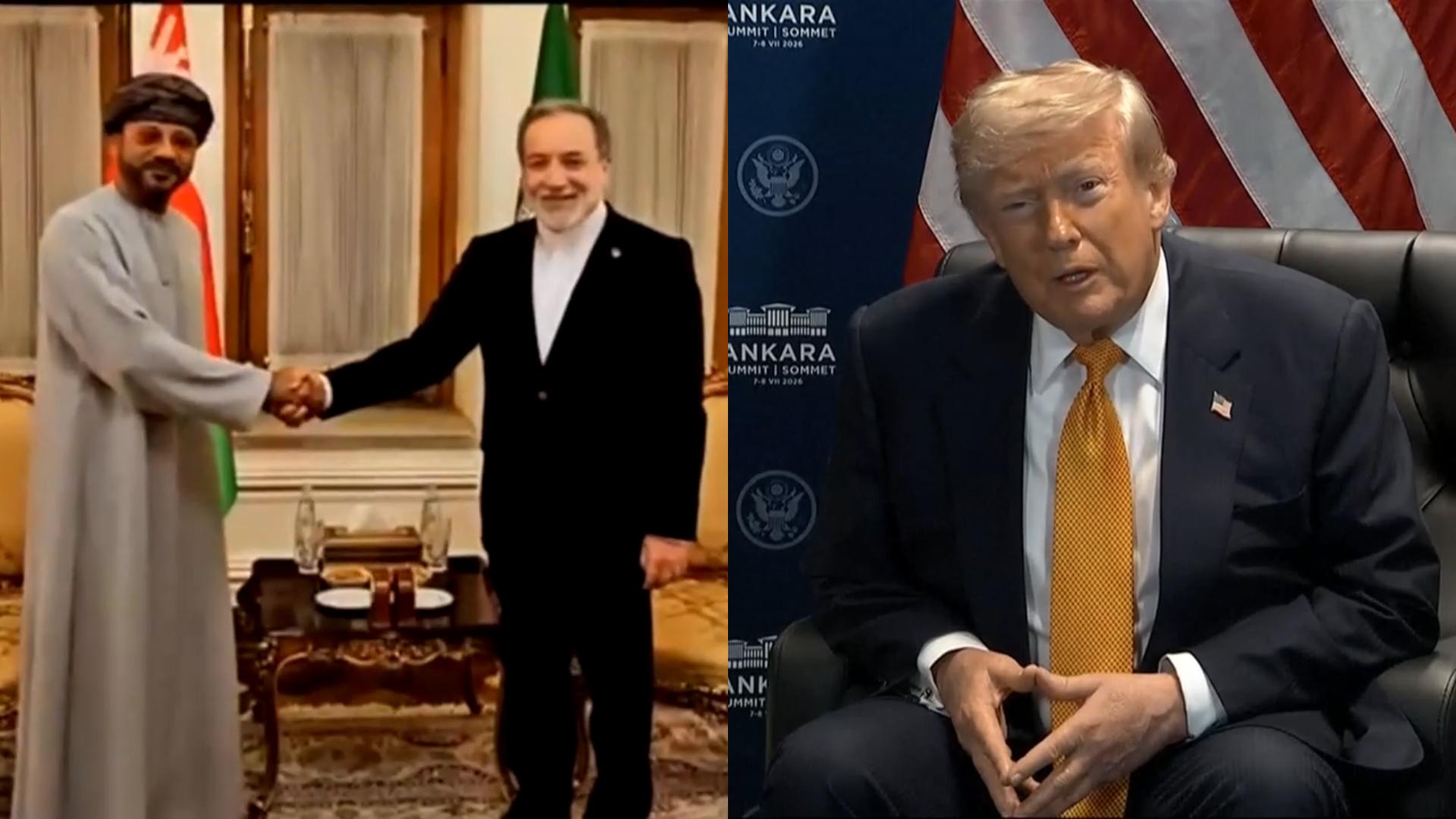
The Meeting That Wasn’t
The Oman-mediated conversation that was supposed to bring Iran, Iraq, and Gulf foreign ministers to the same table has been quietly shelved. Announced just a day before it was set to begin, the postponement came with carefully vague language: Oman’s foreign minister said talks were delayed to reach agreement, not abandoned. Iran’s own media described it as a joint decision, while noting that some unnamed regional powers had asked for the delay. That phrasing matters. It implies the postponement wasn’t solely Tehran’s doing — and it wasn’t entirely welcome there either.
This was meant to be the first multilateral gathering of the kind since February, when the Iran war began. Instead, the room stayed empty.
Who Shows Up and Who Doesn’t
Bahrain has already declared it will not attend. Its reasoning is direct: Iran’s attacks on Gulf states. Saudi Arabia’s participation is in question, weighed against recent Houthi offensive activity on its territory. Neither absence is surprising in isolation; together, they paint a picture of a Gulf coalition that cannot yet sit across a table from Iran without visible security guarantees that do not exist.
The United States’ position adds another layer. Trump called the Oman contact something he was indifferent about. That indifference is a message in itself — or perhaps an admission of limits. The administration is simultaneously pushing for a deal and showing no appetite to underwrite the diplomacy that would make one possible.
The Oman Route Proposal
Iran’s stated priority in any talk is the new shipping route for the Strait of Hormuz that Oman has floated. Tehran insists this does not equal opening the strait. That distinction is critical. A parallel route would not end Iran’s ability to choke global energy flows through the narrowest chokepoint in the world; it would merely give shippers an alternative that still runs through waters Iran can monitor, disrupt, or tax at will. If the only deliverable on the table is a route that changes nothing about leverage, then of course Iran has little incentive to rush toward agreement.
Trump’s Timeline
Trump returned to his preferred framing: the Iran war will end after the midterm elections, possibly even before them, and gasoline prices will plummet. He did not explain how. He has offered this prediction repeatedly without tying it to a specific mechanism — sanctions escalation, a negotiated release of prisoners, a strike on Iranian nuclear facilities, something else entirely. The markets are left to guess.
His timing is not accidental. US diesel prices have hit record highs this cycle, a direct pressure point on American households heading into November. The political incentive to claim a deal is real. The credibility of the claim is another matter.
Meanwhile, Trump has turned to a different能源 theater. He told Zelensky to stop attacking Russian fuel infrastructure, arguing that such strikes are creating a global diesel shortage. The message is pragmatic to the point of cold: Ukraine’s military logic should yield to American political calculus. It is also consistent. The same administration that sees a deal with Iran as a midterm asset treats Ukrainian warfare as a drag on US fuel prices.
The UAE Track
Russia’s Kremlin confirmed that the United Arab Emirates has offered to host three-way talks between Russia, Ukraine, and the United States. An October window was mentioned. No details followed. If such talks proceed, they would run in parallel with — and possibly in tension with — any Iran-Gulf track. Washington would be managing two high-stakes diplomatic circuits simultaneously, neither of which has yet produced a framework anyone believes in.
What This Means for Markets
The Strait of Hormuz carries roughly 20 million barrels of oil per day. Any disruption — and there have been repeated attacks on shipping in the area — moves global prices faster than most policy announcements. The postponement of the Oman talks removes the closest thing the region has had to a confidence-building measure. That is a negative signal for markets that were already pricing in volatility.
But the more interesting market story is the one Trump is trying to write. If the midterms arrive and he can point to lower fuel prices — however achieved — the political math shifts. If he cannot, the pressure on the White House to produce a deal will intensify, potentially making the next round of talks more confrontational rather than less.
Who Wins, Who Loses
Iran wins by buying time. It faces no immediate deadline, no credible US military threat that would force concessions, and a Gulf neighborhood too fractured to present a unified front. The postponement is a small diplomatic loss but a strategic gain.
The Gulf states lose a chance to reset. Every month without a multilateral framework makes the region more dangerous and the US security guarantee more expensive to maintain.
Trump wins a talking point if prices drop before November. He loses credibility either way — if the war lingers, his prediction was hollow; if it ends, he will claim credit for a process he publicly dismissed as unimportant.
Ukraine loses a lever. Its strikes on Russian fuel infrastructure were both military and economic. Cutting them off on US instruction weakens Kyiv’s ability to shape the battlefield while offering no equivalent concession from Moscow.
What Happens Next
The Oman meeting will likely resume. Diplomacy in the Gulf does not stay dead indefinitely — the alternative is open maritime conflict, and none of the actors want that publicly. But the conditions that produced this postponement remain unchanged: Iran holds the strait, the Gulf lacks a coordinated response, and Washington is looking backward toward an election rather than forward toward a settlement.
The next signal to watch is whether the UAE three-way track gains momentum in October. If Trump can point to progress on two separate fronts — Iran and Ukraine — by November, he will have a narrative. If both tracks stall, the gap between his predictions and reality will widen, and the markets will price that in.