Iran Claims Supertanker Sank After Mine Strike in Hormuz
Iran says a supertanker carrying over two million barrels of crude sank after striking mines in the Strait of Hormuz — a claim that challenges recent US assertions about mine clearance and raises fresh concerns for global energy markets.
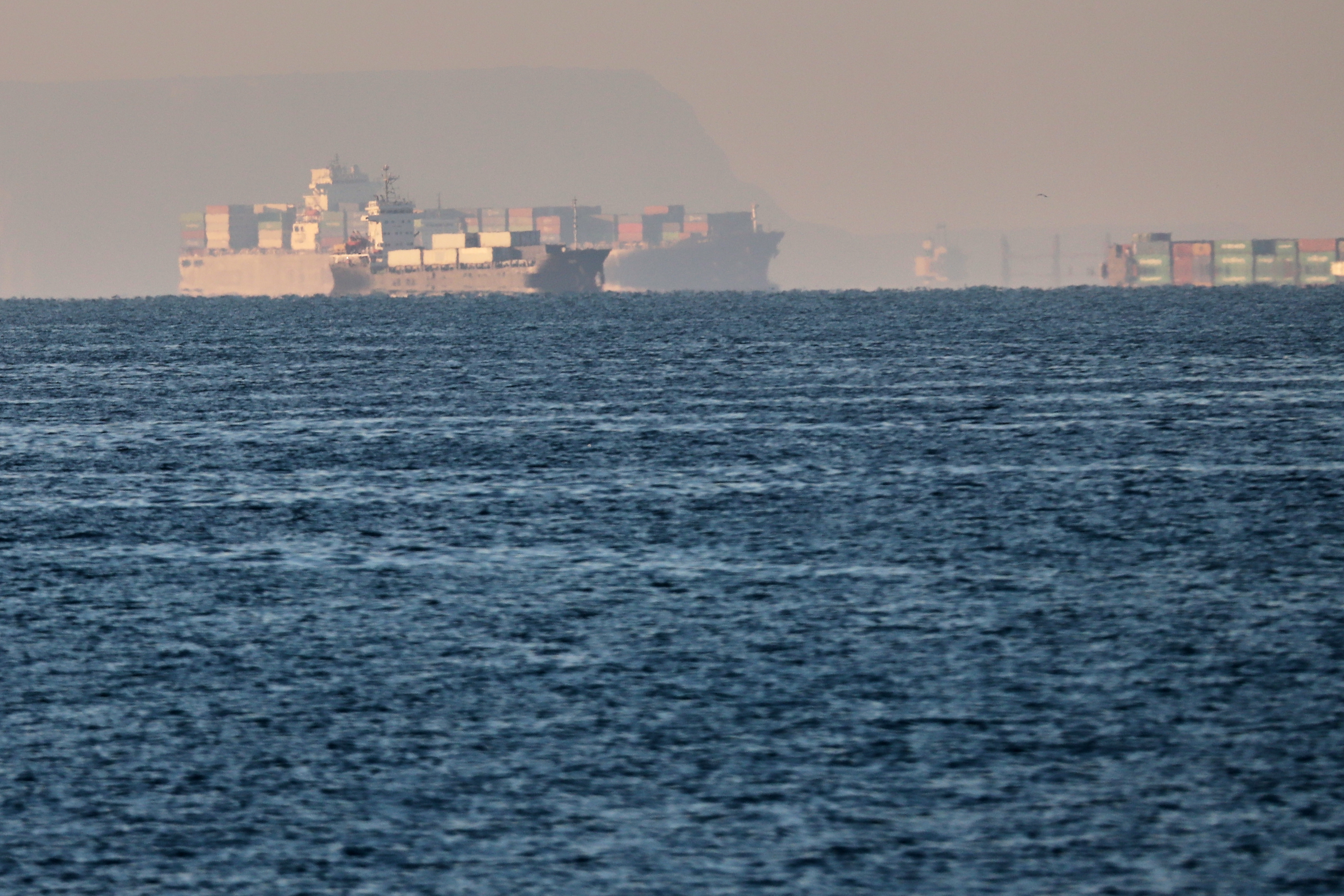
A Claim That Undermines US Mine Clearance
Iran’s Islamic Revolutionary Guard Corps announced on Sunday that a supertanker carrying more than two million barrels of crude oil had sunk in the southern waters of the Strait of Hormuz after striking naval mines. Two vessels hit mines while transiting what Tehran calls an unauthorized route, the Guards said. Only one vessel has reportedly gone down so far.
The announcement comes weeks after US Central Command stated it had cleared all mines from the primary shipping lanes through the strait — the single most consequential chokepoint in global energy trade. If true, the mine strike either means CENTCOM’s clearance operation left gaps, or Iran laid new ordnance in water not covered by US surveys. Either scenario complicates the narrative Washington has been projecting: that the main arteries are open and safe for commercial traffic.
There is no independent confirmation of the sinking. The UK Maritime Trade Operations centre acknowledged awareness of a report from Indian shipping authorities regarding an attack on a tanker in the Gulf, but stopped short of verifying the Iranian account. The crew is reported safe. Environmental damage and the full extent of losses remain unknown.
Why This Matters Beyond the Headlines
The Strait of Hormuz moves roughly one-fifth of the world’s total petroleum supply. Every disruption ripples through pricing, insurance markets, and the logistics chains that keep refineries running from Houston to Heidelberg. A vessel loaded with two million barrels represents roughly two days of global consumption vanishing into the seafloor — and even unconfirmed reports trigger market jitters.
Oil traders do not price ships; they price risk. The uncertainty surrounding whether mines still lie in the strait’s deeper channels forces every charterer, insurer, and flag state to reassess the baseline assumption that major routes are clear. Premiums for war-risk coverage in the Persian Gulf are already elevated since hostilities intensified in late February. They will climb again if this latest incident holds up under scrutiny.
Insurers at Lloyd’s and elsewhere typically price conflict-zone exposure through a combination of hull-war clauses and additional premiums set by the Joint War Committee. A successful mine strike against a supertanker is exactly the kind of event that triggers steep adjustments. It signals that asymmetric tactics — cheap, deniable, and hard to fully counter — remain effective against even well-guarded corridors.
The Pattern Behind the Announcement
This is not the first time Tehran has announced ship attacks in the strait without immediate corroboration. Over recent weeks, multiple statements from Iranian officials described tankers catching fire after allegedly striking mines. Some incidents were later validated by maritime monitors; others faded without independent verification. The pattern serves a clear purpose: it keeps constant low-grade fear in the market and tests how much chaos each announcement can extract before attention dulls.
Iran has systematically restricted traffic through Hormuz since the outbreak of war in late February, insisting that only vessels operating on routes authorised by Tehran may pass. Ships that ignore the demand face harassment, interception, or worse. The United States responded by imposing a naval blockade on Iranian ports and deploying forces to escort and protect tankers navigating the strait. USCENTCOM reported last month that it had helped Gulf countries export 1.5 billion barrels of oil through Hormuz since the summer — an impressive logistical achievement that also underscores how heavily the alliance depends on keeping this waterway functional.
Who Wins, Who Loses
Tehran wins leverage. Each mine claim — confirmed or not — reinforces the message that Iran can disrupt the flow of global energy on short notice, giving it political capital in any future negotiations. It also forces rival navies to invest further in mine-countermeasure capabilities, which are slow, expensive, and historically unreliable at scale.
Commercial shippers lose certainty. Charter rates spike. Insurers raise deductibles. Cargo owners absorb delays or reroute through longer alternatives like the Bab el-Mandab corridor or overland pipelines — all of which add cost and time to supply chains already stressed by competing conflicts.
Washington loses credibility either way. If the mines were real and its clearance operation missed them, the military claim looks flawed. If the attack did not happen and Tehran fabricated it, the US still looks unable to control the information environment around its own operations — a different kind of strategic defeat.
What Comes Next
The next seventy-two hours will be decisive. Independent satellite imagery should reveal whether a large vessel has indeed disappeared from shipping trackers in the southern strait. Oil inventories and tanker position reports from sources like VesselFinder or Kpler will confirm or contradict the two-million-barrel figure. Insurance markets will move quickly regardless of proof, pricing in worst-case scenarios before the dust settles.
If the incident is verified, expect an immediate lift in war-risk premiums across the Gulf and renewed debate inside the Biden administration about the scope and limits of US naval commitments in a conflict that shows no sign of ending. If it cannot be confirmed, the market will likely digest the shock within a trading session and resume pricing on fundamentals — though the psychological damage to confidence in Hormuz’s safety lingers far longer than any single candlestick.
Either outcome points to the same trajectory: the Strait of Hormuz remains the fault line of global energy security, and as long as Iran retains the ability to plant mines and make claims, every barrel passing through it carries a political tax that buyers and sellers alike are learning to live with.