Iran-U.S. Talks Are Back — And East Asia Is Watching Closely
Trump signals renewed indirect negotiations with Iran via Qatar, even as he keeps military action on the table. For Seoul and Tokyo, the stakes go far beyond the Middle East.
The Toggle Is Real
Donald Trump rejected Iran’s seven-day plan to reopen the Strait of Hormuz on Monday. By Tuesday, he was saying that more talks are coming this week — indirectly, through Qatar, likely on the 28th or 29th. When asked whether the US is considering renewed airstrikes on Iran, he offered a single line: “Always thinking about it.”
That is not a contradiction. It is the playbook.
The pattern is now visible: pressure first, then off-ramps. Military options stay visible to shape the negotiating table, while back-channel diplomacy keeps the door from slamming shut. The West’s major wires covered the headlines. But what they are largely missing — and what Seoul and Tokyo have been tracking with unusual intensity — is what this escalation-or-de-escalation toggle means for East Asian energy security and defense spending debates that have been simmering for years.
Who Actually Controls the Tap
Iran’s proposal, mediated through Steve Witkoff and Jared Kushner during the UN General Assembly week of April 22, was explicit: lift the maritime blockade, ease sanctions on Iranian oil exports, restore a regional ceasefire, and Tehran would reopen the Hormuz Strait within seven days and restart nuclear negotiations. Trump turned it down. The Strait stayed closed to commercial traffic.
Qatar has not stopped shuttling. According to Axios, the emirate carried compromise proposals over the weekend. Reuters reported on the 28th that mediator countries would meet separately with Washington and Tehran, likely centered on a revised seven-day plan. The substance of those revisions remains unclear, but the mechanism is established: Qatar, Oman, and possibly others absorb the diplomatic friction so both sides can claim they did not blink.
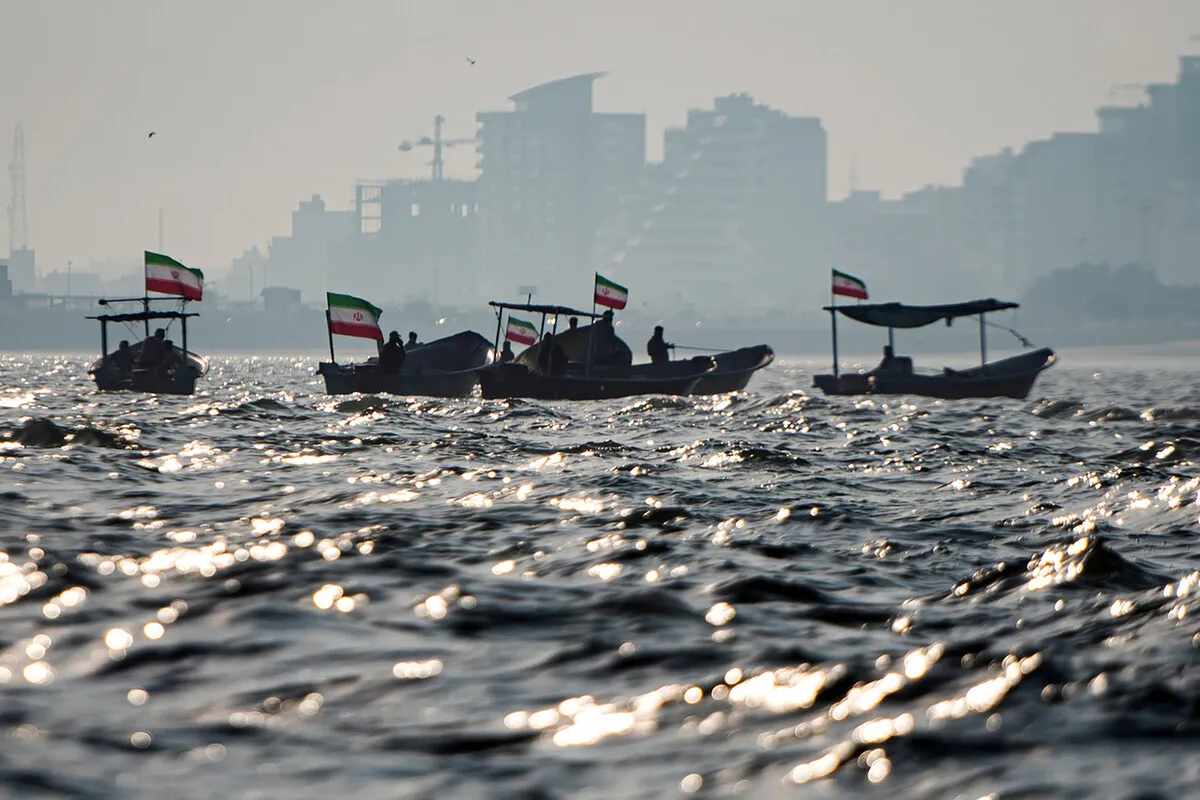
Meanwhile, the IRGC navy announced it had captured a US Remus 600 autonomous underwater vehicle operating in the strait. US Central Command denied the claim, asserting full control of all operational unmanned assets. Either way, the message is calibrated — show you can bite without starting a full war.
The Nuclear Wall Has Returned
The Strait of Hormuz was never the real prize. The nuclear program is.
The Wall Street Journal reported this week that mediators are pressuring Iran to make concessions on its enrichment program in exchange for reviving the broader ceasefire deal. Iran has refused to budge. Foreign Minister Abbas Araghchi told NBC that enriching uranium to 60 percent is “not illegal” and remains within the Non-Proliferation Treaty framework.
That framing is deliberate. Iran knows 60 percent is far from weapons-grade — 90 percent is the threshold — but it sits uncomfortably close enough to signal capability without crossing the legal line. It is a position designed to survive in the gray zone, and mediators are being asked to bridge it.
If the next round of talks fails to produce movement on enrichment, the question is no longer whether the Strait reopens — it is whether the US responds with kinetic force, and what that triggers across Asian supply chains.
The East Asian Calculation
Here is what Western reporting tends to flatten: the Strait of Hormuz is not just a Middle East problem. It is East Asia’s most vulnerable energy seam.
South Korea and Japan together absorb roughly three-quarters of the oil that transit the strait. When the strait closes or narrows, it is not Washington’s refineries that feel the first shock — it is Busan and Yokohama. Both countries have been running contingency exercises for years. Both have been quietly increasing strategic petroleum reserves. Both watch Qatar shuttle diplomacy with something approaching desperation, because the alternative is a price spike that hits their manufacturing sectors before any White House statement reaches them.
For Seoul, the calculus is tighter than it appears. South Korea imports nearly 97 percent of its energy. Iran accounts for a nontrivial share of that pipeline — and the rerouting options are expensive and slow. Japanese energy officials have been publicly quieter about their dependency but privately more alarmed. Their LNG portfolios have shifted, but not enough to insulate them from a Hormuz choke.
The Defense Spending Link
This is where the East Asian angle gets concrete. Defense budgets in South Korea and Japan are already under political pressure for expansion. A Hormuz crisis — or even the credible threat of one — provides ammunition for ministers who want deeper missile defenses, longer-range strike capabilities, and closer trilateral coordination with the United States.
South Korea’s government has already approved significant increases in defense spending for this year. Japan’s recent budget cycle saw record allocations for counterstrike capability and Aegis destroyer modernization. Every flare-up in the Gulf reinforces the argument that these are not optional upgrades — they are the baseline price of survival for energy-importing states.
The United States understands this dynamic. Keeping military pressure visible while negotiating indirectly achieves two things at once: it deters Iranian aggression in the Gulf, and it gives Asian partners a reason to invest more in the very capabilities that anchor the US alliance network there.
Who Wins, Who Loses, What Comes Next
If the Qatar-mediated talks produce a revised Hormuz reopening deal, Iran gets sanctions relief it cannot publicly celebrate without looking weak. The US gets a de-escalation it can frame as pressure paying off. Qatar gets to remain the indispensable broker it has been since 2020. Energy markets stabilize. Asian stock indices breathe easier.
If the talks fracture — and Iran holds the line on 60 percent enrichment while the US refuses to lift the blockade — the next visible escalation will not come from Washington. It will come from the Strait itself. IRGC speedboats, seized vessels, drone incidents. The kind of events that do not require declarations of war to send oil prices higher.
And if military action does occur — Trump’s “always thinking about it” is not rhetoric when his track record treats escalatory ambiguity as a negotiating asset — the blast radius will be immediate and global. Asian markets will price it in hours. Defense ministers in Seoul and Tokyo will face less resistance to budget increases. And the Middle East will absorb consequences that take years to unwind.
The most important number to watch is not the enrichment percentage. It is the number of days between now and the next Qatar-mediated meeting. If those talks produce a revised offer, energy corridors reset. If they produce silence, the toggle flips again — and Asia is the one feeling the shock first.