Israel's Gaza Ground Surge Tests Ceasefire Fragility
Israeli tanks roll into central Gaza for the first time since the U.S.-brokered truce, challenging its survival and reshaping hostage talks, alliance politics, and the terms of any lasting settlement.
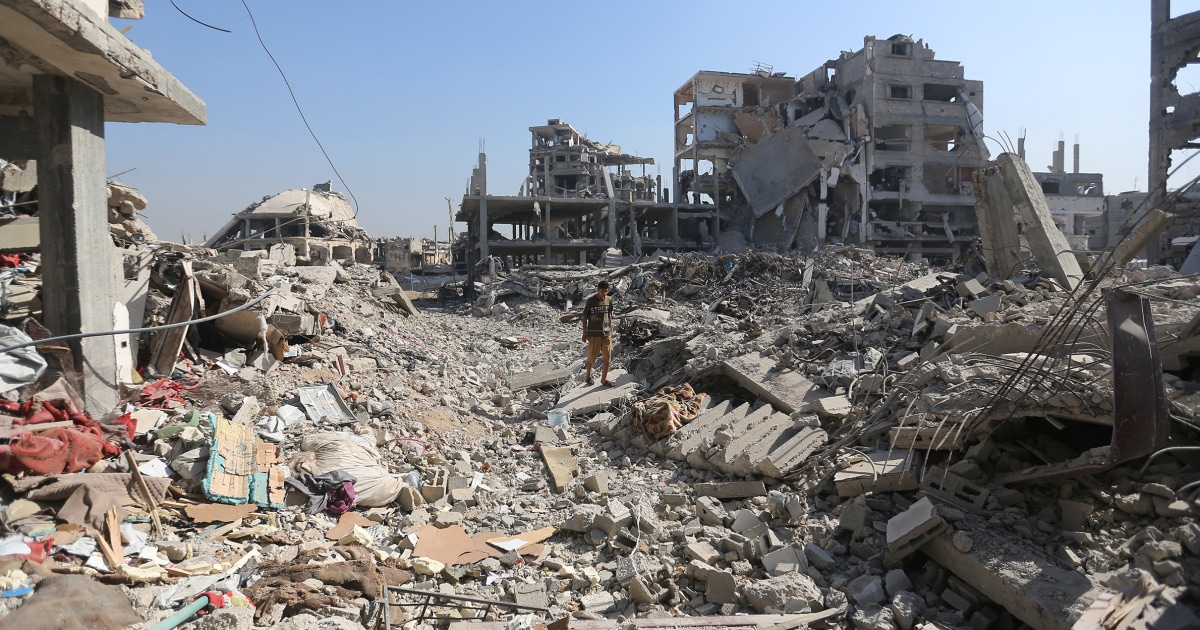
Tanks Cross a Redrawn Line
Israeli armored vehicles rolled onto the main Salahudeen road west of the Yellow Line on Wednesday—the first confirmed ground incursion into central Gaza since a United States–brokered ceasefire took effect in October 2025. The Israeli military stated the operation targeted “Hamas infrastructure” outside areas under direct Israeli control, while witnesses described tanks moving along the very artery that divides the enclave’s two governing zones.
The strike came amid a flurry of aerial bombardments. Palestinian medics reported one death from an airstrike near the ground raid and two additional fatalities earlier in the day in Deir al-Balah and Gaza City. An army spokesperson confirmed a separate militant was killed in southern Gaza, underscoring that the offensive is both localized and part of a broader campaign to disrupt what Israel calls renewed Hamas regrouping.
This is not a return to full-scale war, but it is a deliberate expansion of the battlefield into territory that the truce was supposed to insulate. The move forces a blunt question: was ever a credible commitment to de-escalation, or merely a tactical pause until military advantage could be regained?
Who Gains, Who Loses
Israel gains operational flexibility. By pushing into central Gaza, it reclaims strategic depth, severs Hamas supply routes, and sends a message to Tehran and regional proxies that the truce does not constrain Israeli kinetic options. The government also signals domestic resolve ahead of political pressures over stalled hostage releases and security audits.
Hamas loses territory and initiative. The group has spent the past months consolidating command networks and stockpiling weapons behind civilian cover—a strategy the Israeli strikes now aim to upend. But losing ground in central Gaza may also force Hamas deeper into underground corridors, complicating future negotiations and raising the risk of retaliatory cross-border attacks.
Civilians pay the highest price. Gaza health authorities report at least 1,600 deaths since the ceasefire began, with the total campaign toll exceeding 74,000. Each new ground operation risks accelerating displacement, interrupting humanitarian pipelines, and eroding whatever trust remains in the peace process.
The Hostage Gamble
The timing is critical. More than a dozen Israeli captives remain in Hamas hands, and their fate hinges on leverage that neither side wants to surrender. A ground push into central Gaza strengthens Israel’s bargaining position by threatening Hamas’s administrative hubs, but it also hardens the group’s posture—making concessions appear as surrender.
Washington, which brokered the original truce, now faces a dilemma. Pressing Israel to halt operations could alienate a key ally and undermine American credibility; staying silent risks legitimizing a creeping escalation that could collapse the deal entirely. The White House has yet to issue a formal statement, suggesting internal debate between diplomatic caution and strategic patience.
If the offensive continues, hostage talks may stall indefinitely. If it is scaled back, Israel risks looking weak domestically, while Hamas may interpret restraint as an opportunity to rearm.
Regional Alliances Under Strain
The move reverberates beyond Gaza. Iran-aligned militias in Lebanon and Yemen have warned that any escalation against Palestinian civilians will draw them directly into the fight. Saudi Arabia, which had been mulling normalization ties with Israel, now faces renewed domestic pressure to distance itself from Jerusalem.
Egypt and Jordan, already hosting thousands of refugees and managing border stability, view the ground advance as a potential trigger for mass displacement that could overwhelm their capacities. Both nations have quietly urged the United States to rein in Israeli operations, but their appeals carry limited weight without tangible consequences.
For European capitals, the news reinforces longstanding anxieties about Mediterranean instability and the limits of diplomatic engagement. France and Germany have called for restraint but offer no new sanctions or incentives—leaving the region without a coherent multilateral response.
What Happens Next
The next 72 hours will reveal whether this is a contained punitive strike or the opening phase of a broader reconquest. Key indicators:
- Whether Israeli forces establish temporary control points west of the Yellow Line.
- If Hamas responds with rocket fire or tunnel attacks toward Israeli population centers.
- How Washington adjusts its diplomatic tone—will Secretary of State Antony Blinken schedule emergency calls, or allow operational ambiguity to persist?
- Whether Qatar and Egypt suspend mediation roles if cross-border violence escalates.
History suggests that ground offensives rarely end cleanly. Even limited incursions tend to expand as commanders seek to secure flanks and destroy hidden weapons caches. The ceasefire’s architects assumed that economic aid and phased releases would sustain the truce; they underestimated how quickly military actors could reinterpret “infrastructure targets” into territorial gains.
The ultimate loser is the concept of a negotiated settlement. Every tank that crosses the Yellow Line makes it harder to imagine a future Gaza governed by anything other than Israeli security control or Hamas guerrilla rule. A third option—a functional Palestinian Authority with international backing—requires political space that ground operations actively shrink.
In the end, the real question is not whether the ceasefire holds, but what kind of peace emerges from its ashes. If Israel achieves its immediate tactical aims without triggering a wider war, the truce may survive as a veneer. If hostilities broaden, the October agreement becomes a footnote—a brief interlude before the next round of destruction.
For now, the world watches and waits, hoping that diplomacy can outpace the rumble of treads on the Salahudeen road.