Japan's Hidden Data Crisis Behind the Tech Rivalry
Sagawa Express's record-breaking breach of 53 million records exposes a systemic vulnerability in Japan's cyber infrastructure. A gadget comparison from Gizmodo Japan reveals how deeply data flows through everyday life—and how precariously it's protected.
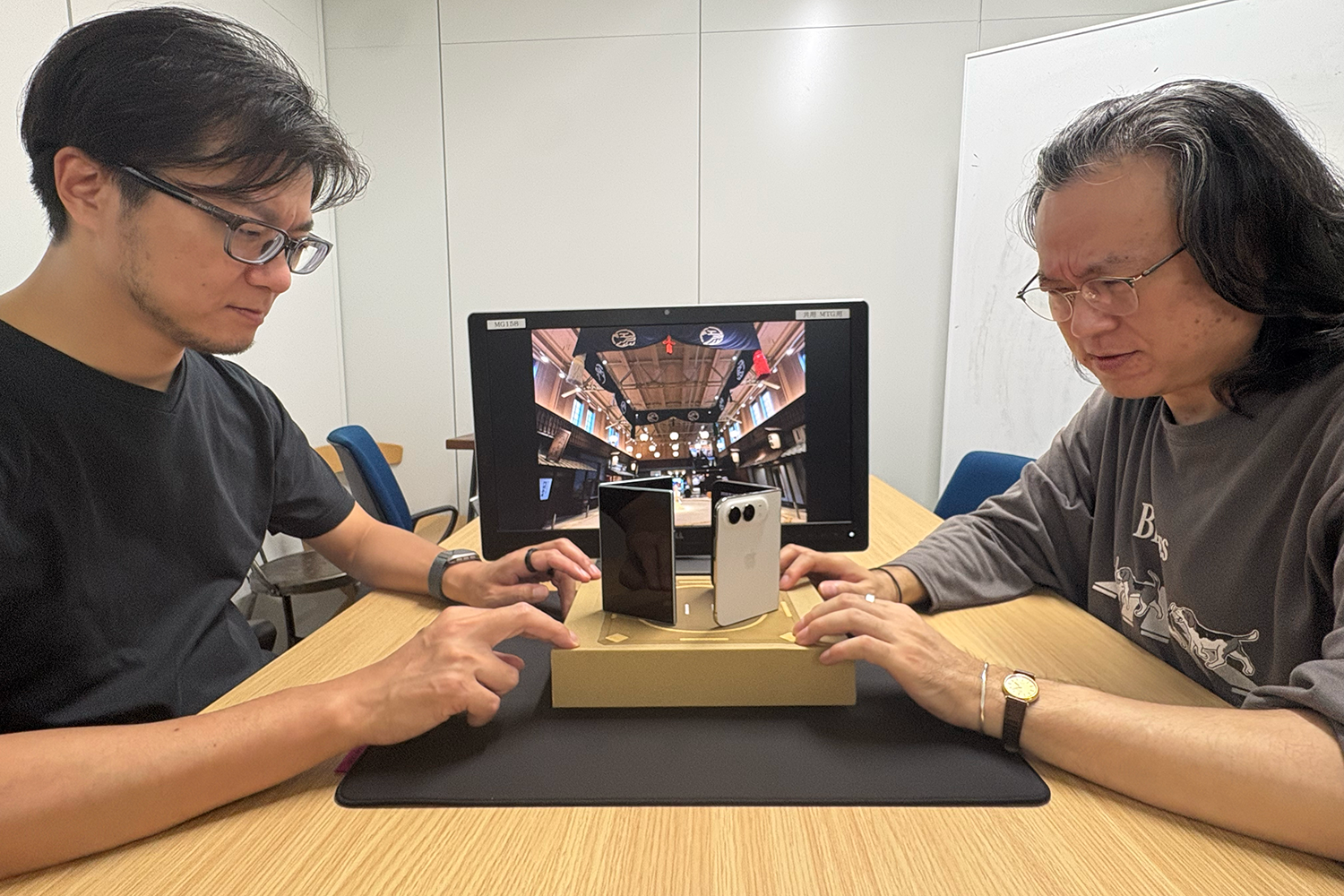
The Sumo Ring and the Server Room
Read the latest Gizmodo Japan feature pitting the iPhone Duo against the Galaxy Z Fold8 in a playful sumo metaphor, and you might be forgiven for thinking this is just another gadget war story. Weight versus flexibility. Edge versus fold. Eight years of Samsung’s folding-hinge lineage against Apple’s newest entrant. The article’s tone is light, almost irreverent—quipping about corner geometry and footwork.
But read it alongside last week’s announcement from Sagawa Express, Japan’s second-largest courier company, and the same page takes on an uncomfortable second layer.
Because beneath the banter about phone weights and hinge durability sits a reality that English-language desks have barely begun to cover: Sagawa confirmed a data breach exposing 53.23 million individual records—the largest in the company’s history. Customer names, addresses, phone numbers, delivery histories. All of it siphoned through systems that, by all available indicators, were never designed for the threat landscape they now face.
The contrast is not accidental. Japan’s most visible tech rivalries play out in glossy review magazines and YouTube unboxings. Its most consequential security failures play out in press releases buried on corporate websites, released weeks after the fact, if at all.
What the Number Actually Means
Fifty-three million. To put that in perspective, Sagawa moves roughly 1.4 billion parcels per year in Japan. The breach did not involve payment card data—yet. But delivery records are uniquely revealing: they map where people live, when they receive goods, what they buy, and frequently, who lives in the same household. For identity thieves, this is richer terrain than a credit card number.
The scale also places this firmly in structural territory. Sagawa is a logistics company, not a tech company. Its core competency is moving boxes from point A to point B. Yet it maintains databases touching tens of millions of households—many of them on systems inherited from acquisitions, legacy integrations, and decades of incremental IT spending that prioritized uptime over security architecture.
This pattern repeats across Japanese industry. The 2023 breach at Toshiba Infrastructure Systems & Solutions, the repeated compromises at major banks, the My Number system leaks affecting millions of residents—each one shares the same DNA. Legacy infrastructure. Reactive security. A culture of internal resolution that delays public disclosure.
The Gap Between Gadget Culture and Digital Safety
Here is what English-language readers typically miss about Japan’s tech story: the country produces some of the world’s most polished consumer hardware while maintaining some of its most fragile institutional cybersecurity postures. The iPhone Duo versus Z Fold8 comparison is fun because it reflects Japan’s position as a mature smartphone market where device choice carries genuine cultural weight. But the same ecosystem that rewards that level of product scrutiny fails to apply equivalent pressure to the infrastructure that stores the data these devices generate.
Japanese consumers routinely share detailed personal information with logistics companies, government portals, healthcare providers, and financial institutions—often through interfaces and systems that predate modern encryption standards. The expectation of seamless service is high. The expectation of data security, comparatively low. And the regulatory environment, while tightening, has historically treated breach disclosure as a governance matter rather than a consumer protection imperative.
The recent Sagawa breach, however, arrives at a moment when that tolerance is visibly eroding. Japan’s government has begun pushing mandatory breach disclosure timelines. The Personal Information Protection Commission has increased penalties. Industry groups are revising their cybersecurity guidelines. None of this eliminates the risk—but it does signal that the era of quiet resolution is ending.
Who Wins, Who Loses
The immediate losers are clear: the 53.23 million individuals whose records were exposed, and Sagawa’s own reputation, which took a hit precisely because the scale was so hard to ignore. The company’s stock dropped following disclosure, and regulatory scrutiny is now certain.
But the deeper loss is systemic. Every major breach of this magnitude reinforces the perception—both domestically and internationally—that Japan’s digital infrastructure is running on borrowed time. Foreign investors note it. Competitors in South Korea and China, where cybersecurity regulation is often more aggressive, point to it. Japanese companies themselves cite it as a reason to outsource infrastructure to global cloud providers rather than build in-house.
The winners, paradoxically, may be the cybersecurity firms that benefit from each new crisis. And the regulators, who gain political capital from enforcing stricter standards after the fact.
What Happens Next
Three things are likely. First, Sagawa will face a prolonged period of mandatory system audits and potential fines. Second, the breach will feed into Japan’s ongoing debate about whether existing privacy laws go far enough—a debate that has been simmering for years and is now reaching a boil. Third, and perhaps most importantly, it will serve as a reference point for every other Japanese company operating legacy databases at scale.
When the next breach hits—a hospital group, a regional bank, a municipal government—the Sagawa case will be cited. Not as an outlier, but as a milestone. The first breach of this magnitude from a non-tech corporation in Japan’s recent history.
Return to the Gizmodo Japan article about the iPhone Duo and Z Fold8. The writers debate edge geometry and hinge durability with genuine enthusiasm. Their passion for the subject is real. But the same readers who care about whether a phone folds cleanly are the same people whose delivery addresses, purchase histories, and contact details sit in databases that may not survive their next upgrade cycle.
The real showdown in Japanese tech is not happening on a sumo ring. It’s happening in server rooms built twenty years ago, maintained by contractors who retired decades ago, and running critical infrastructure that nobody thought needed to be secure until it wasn’t.
Next time those two phones clash, the verdict may depend less on corner radius and more on whether the company behind the comparison actually knows who is reading it—and whether anyone stole that data last Tuesday.