Japan just defined what a voice is worth — and it changes everything for AI
A Tokyo court has recognized vocal identity as a publicity right, ruling that cloning a performer's voice without permission can violate their legal protections. The precedent could reshape how the global entertainment industry handles AI-generated content.
A Tokyo courtroom just made a decision that reverberates far beyond Japan’s entertainment industry.
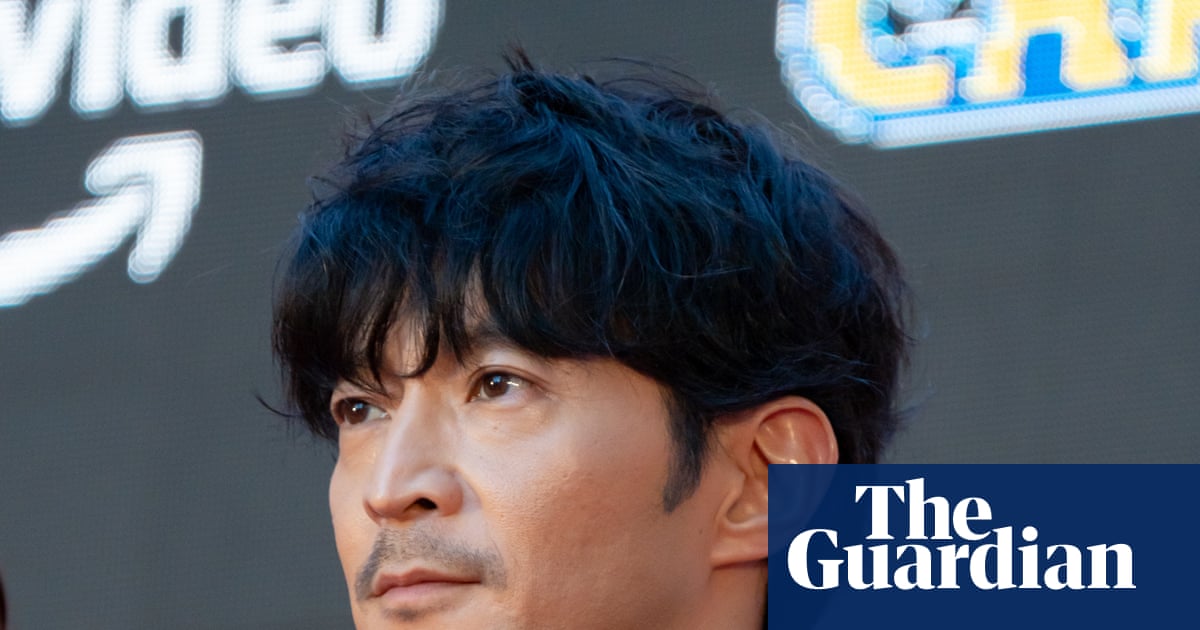
A judge has declared that a person’s voice is protected under publicity rights – the same legal framework that governs how someone controls their image, name, and likeness. In practical terms, this means an AI tool that cloned the baritone of actor Kenjiro Tsuda without permission violated his legal rights. The ruling, handed down by the Tokyo District Court on Wednesday, is the first of its kind in Japan and one of the first anywhere to recognize vocal identity as a legally protectable asset.
The case began when Tsuda, 55, discovered an anonymous TikTok account uploading videos narrated in what he described as his “lustrous” baritone. The account, which used AI to replicate his voice, posted 188 videos between July 2024 and September last year. The content covered urban legends, the occult, and conspiracy theories – material Tsuda called “sordid” and fundamentally at odds with his professional reputation.
The account had grown to over 200,000 subscribers. According to the legal complaint, it was generating between ¥500,000 and ¥750,000 in monthly revenue. That is money made by standing on the reputation of a voice that belongs to someone else.
TikTok argued the videos contained a “generic male voice” and that any resemblance to Tsuda was subjective. The court disagreed with the broader point, even though it dismissed Tsuda’s request for the videos to be removed – the account operator had deleted them after the lawsuit was filed last November.
The legal logic matters more than the outcome
Presiding Judge Aya Takahashi drew a direct line between a person’s voice and their portrait. A voice, she wrote, is “as symbolic of one’s personality” as a photograph. The protection applies when the purpose of using a voice is “exclusively to take advantage of its commercial appeal.”
That qualifier is significant. The ruling does not establish an absolute right to control one’s voice in every context. It establishes a commercial right – the right to profit from, or prevent others from profiting through, a distinctive vocal identity.
For the entertainment industry, that distinction is everything. Voice actors in Japan occupy a unique position. Unlike many Western markets where voice work is relegated to supporting roles, Japanese voice actors – known as seiyuu – are genuine celebrities. Their voices are the product. Fans buy albums, attend live events, and follow performers as stars in their own right. The voice is not incidental to their brand. It is the brand.
That reality makes Japan particularly vulnerable to AI mimicry, and particularly motivated to protect it. The Japan Actors Union’s executive director, Yuko Sasaki, framed it plainly: an actor’s voice is “the result of years of rigorous training and apprenticeship.” The ruling validates that investment in legal terms.
Why the rest of the world should pay attention
The entertainment industry is already scrambling to respond to AI-generated content. In Hollywood, actors have spent years negotiating protections against digital replicas. In K-pop, agencies have been quietly building internal policies to guard against unauthorized AI use of idol likenesses and voices. But those efforts have largely been contractual, not judicial.
Japan’s ruling creates something rarer: a court-established precedent. That shifts the burden. Instead of performers needing to negotiate protections into every contract, the law itself now recognizes that a voice can be stolen.
The implications extend beyond voice acting. Any public figure – politicians, athletes, influencers – whose voice carries commercial value now has a clearer legal pathway to challenge unauthorized AI cloning. The ruling does not create new statutes. It interprets existing publicity rights doctrine to cover a technology that did not exist when those laws were written.
That interpretive move is what makes this case potentially influential. Courts in other jurisdictions will be reading it closely.
What happens next
TikTok said it would “respect the court’s judgment” while reviewing the ruling’s details. The platform added that it would continue working on “the balance between technology development and rights protection.” That phrasing is deliberate – it signals compliance without conceding the broader legal principle.
The lawsuit is unlikely to be the last. Tsuda’s legal team has made clear they view this as a test case. And the “No More” campaign launched by Japanese actors in 2024 to oppose unauthorized AI use of faces and voices suggests growing institutional pressure for additional rulings and potentially new legislation.
The timing is notable. Japan’s ruling comes as global regulators are still debating how to address AI-generated content. The European Union’s AI Act focuses heavily on transparency requirements and deepfake labeling. The United States has pursued a state-by-state approach. Japan has done something different: it has gone through the courts rather than the legislature, which means the precedent carries weight internationally even without new statutory language.
What this ruling also reveals is the speed at which legal frameworks are struggling to catch up with technology. The TikTok account in question operated openly for months before legal action was taken. By the time the court ruled, the videos were already gone. The precedent exists, but the harm was done in real time – a pattern that will repeat unless platforms and creators develop faster mechanisms for addressing unauthorized AI use.
The voice of Kenjiro Tsuda is no longer just his. But the law now says it never should have been anyone else’s to begin with.