Tsuda's Dismissed TikTok Lawsuit Exposes Japan's AI Voice Gray Zone
Kenjirō Tsuda lost his TikTok suit not on merit but because the videos were already removed — a procedural loophole that could undermine Japan's new voice-protection guidelines and set a risky precedent for AI regulation worldwide.
A Dismissal That Speaks Louder Than a Ruling
The Tokyo District Court dismissed Kenjirō Tsuda’s lawsuit against TikTok on Wednesday. Not because the court found no violation. Not because it sided with the platform. But because the videos in question had already been taken down.
That might sound like a technicality. It is not. It is a window into how Japanese jurisprudence is struggling to keep pace with AI-generated content — and how a procedural shortcut could quietly unravel the very protections the country has been building.
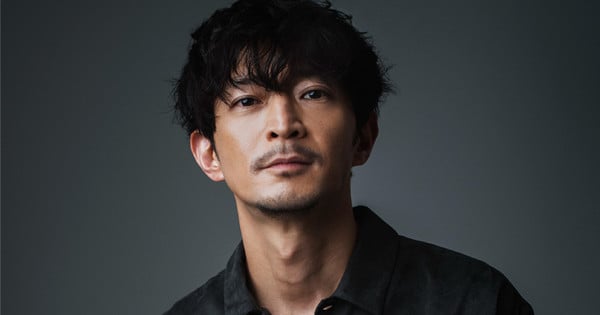
Tsuda, a veteran voice actor known for roles in JoJo’s Bizarre Adventure and Detective Conan, sued in November 2025 after discovering that an unidentified user had posted at least 188 videos using AI to imitate his distinctive voice. The content — urban legends and conspiracy theories — racked up an estimated 500,000 to 750,000 yen per month in revenue. Tsuda’s legal team argued the AI-narrated videos violated the Unfair Competition Prevention Act and the right of publicity, which safeguards the image and identity of public figures.
TikTok’s operator, the Singaporean subsidiary that manages the platform in Japan, pointed to its own compliance: the videos were removed after the lawsuit was filed. The defense contended the voice used was a “universal male voice” trained on a friend’s recordings, not Tsuda’s, and that viewers were drawn by the content, not the narration. Comments on the videos, the company argued, reflected reactions to the material itself.
The court accepted the removal argument and dismissed the case. No finding on the merits. No injunction beyond what already happened. No damages.
The Guideline Behind the Dismissal
The timing matters. In August 2026, Japan’s Ministry of Justice expert panel issued guidelines stating that voice actors’ and actors’ voices are protected under the right of publicity — the same legal doctrine that shields celebrities’ likenesses from unauthorized commercial use. The guidelines went further, suggesting that generative AI providers could face joint liability if their tools were used to infringe on those rights.
This was a landmark move. Japan had long been one of the few major jurisdictions without explicit legal guidance on whether a voice — distinct from a face — qualified for personality-rights protection. The guidelines closed that gap.
But the Tsuda dismissal reveals a structural weakness. When a plaintiff’s sole remedy is removal, and the defendant complies before a court ruling, the case evaporates. The legal question — does the right of publicity cover AI-imitated voices? — remains unanswered by any binding judgment. The Ministry’s guidelines carry weight, but they are administrative interpretation, not precedent.
Who Wins, Who Loses
TikTok wins on a technicality. It removed the content. It avoided a ruling that could have set a broader precedent for platform liability regarding AI-generated impersonation. The company’s argument that viewer engagement was content-driven, not voice-driven, was never tested in court.
Tsuda loses a procedural battle but gains visibility. His case became a flashpoint in Japan’s ongoing debate over AI and voice rights. The combined effect of the Ministry guidelines and his high-profile lawsuit has put voice actors’ legal protections on the public agenda in a way a quiet settlement never would.
The broader ecosystem loses clarity. Without a judicial ruling, content creators, AI developers, and platforms operate in a gray zone. The guidelines say voices are protected. But what does that mean in practice? At what point does an AI-generated imitation cross the line? Who is liable — the user who trained the model, the platform that hosts the content, or the AI provider whose technology made it possible?
Future plaintiffs face a disincentive. If compliance via removal extinguishes a case, there is little reason to sue unless the harm is ongoing or damages are sought. But damages in personality-rights cases are notoriously difficult to quantify, and Japanese courts have been conservative in awarding them. The result: a system where the threat of a lawsuit is enough to trigger takedowns, but the law itself never gets defined.
The Global Relevance
Japan’s struggle is not unique. The EU’s AI Act and the United States’ patchwork of state-level regulations have not squarely addressed voice cloning. The EU focuses on transparency requirements for AI-generated content. The US lacks federal personality-rights legislation, leaving voice-protection claims to state tort law and right-of-publicity statutes that were written before generative AI existed.
Japan’s Ministry guidelines are among the most explicit statements anywhere that voice constitutes a protectable personality right. But without judicial enforcement, they risk becoming aspirational rather than operative.
The Tsuda case is part of a developing legal ecosystem in Japan. It follows up on a larger voice-rights case that is still moving through the courts. Together, these cases are testing whether Japan’s existing legal framework — built around visual likeness and traditional trademark law — can absorb the challenge of AI voice synthesis.
What Happens Next
A binding precedent will likely require a case where removal is insufficient — where harm is ongoing or damages are substantial enough to force a merits hearing. Until then, the gray zone persists.
For voice actors, the immediate effect is mixed. The Ministry guidelines give them a legal lever. But the Tsuda dismissal shows that the lever works only if the defendant complies quickly. A malicious actor can post infringing content, wait for a lawsuit to force removal, and avoid any judicial acknowledgment of wrongdoing.
For platforms, the message is clear: respond to takedown requests promptly, and the legal risk diminishes. But that also means platforms have an incentive to process complaints efficiently rather than evaluate their merit — a posture that benefits them but does not advance the law.
For AI developers, the uncertainty is both risk and opportunity. The guidelines suggest liability exposure, but the lack of case law means the boundaries are untested. Companies building voice-cloning tools will likely proceed with caution, but without clear rules, the cautious approach will vary.
The dismissal of Tsuda’s lawsuit is not the end of the story. It is a pause — a procedural gap that leaves Japan’s AI voice-protection framework incomplete. The next case that survives past the removal stage will define what the Ministry guidelines actually mean. Until then, the law moves forward in fits and starts, while the technology keeps accelerating.