Kim-Trump Summit Looms at G20 — and It Changes Everything
A potential North Korea-US summit at the G20 in Miami would be the most dramatic diplomatic gamble in years. Here's what it means for allies, denuclearization, and the calculus of power in Northeast Asia.
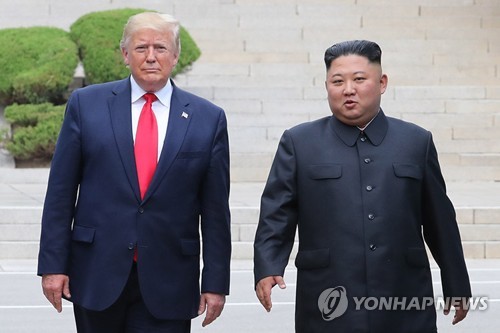
The Signal in the Silence
Vincent Brooks noticed something most observers missed. North Korea has stopped hurling the same venom at the United States that it rains down on South Korea. That asymmetry, the former USFK commander argued at a CSIS event in Washington, is not an accident. It is a deliberate signal — one that says the door is open, even if only slightly.
The timing is what makes this moment genuinely consequential. Brooks and Victor Cha, also at CSIS, both landed on the same window: November to December. The earliest possible summit between Donald Trump and Kim Jong Un would nestle into the chaotic run-up to America’s midterm elections. The later it happens, the more substantive it could become. The latest — and frankly the most likely — scenario places it after both the midterms and the G20 summit that Trump himself will be hosting in Miami on December 14–15.
The Venue Is the Message
Here is where the analysis gets interesting. Cha floated a possibility that sounds absurd until you remember who holds the White House: Trump could invite Kim to attend the G20 in Miami. Not a side meeting. Not a bilateral on the margins. An actual G20 invitation — placing North Korea’s leader at the same table as the world’s major economies, on American soil, at Trump’s own National Doral Resort.
If that happens, the optics alone reshape the diplomatic landscape. It would be the first time a sitting North Korean leader steps into a multilateral summit hosted by the United States. It would also be a masterclass in attention extraction — exactly the kind of spectacle Trump has proven he understands instinctively. But the spectacle is a vehicle for something real. A G20-hosted meeting gives Kim Jong Un a degree of international recognition that Pyongyang has chased for decades. It gives Trump a photo opportunity that could dominate the news cycle right before midterm elections. Both sides get something they claim to want.
The risk is that the venue elevates performance over substance. A summit at a golf resort in Florida is not Geneva. It is not Hanoi. It is not even Panmunjom, where Trump and Kim met in 2019 and produced a joint document that ultimately went nowhere.
Why Pyongyang Would Come
Skeptics point to the obvious contrast with 2018–2019. Back then, North Korea entered negotiations without the strategic cover it now enjoys. China and Russia, both increasingly at odds with Western sanctions regimes, now provide Pyongyang with economic lifelines and diplomatic shields at the UN Security Council. The argument goes: why would Kim negotiate when he can simply wait out pressure?
Cha pushes back on that logic, and he is right to. The incentives for a deal have not disappeared. Sanctions relief remains North Korea’s primary economic weakness. Even with Chinese and Russian support, the sanctions regime constrains Pyongyang’s access to global markets, spare parts, and technological imports. A summit could unlock at least partial relief, and the domestic political value of demonstrating engagement with the United States — however grudging — carries weight in a system that prizes regime legitimacy.
There is also the timing calculus that Cha and others have flagged. North Korea may prefer to meet after the midterms, not before. If Trump emerges weakened — or if his party loses ground — Kim would be negotiating from a position where the American president has less domestic leverage. That is not a reason to avoid talks. It is a reason to time them carefully.
What the Allies Should Fear
The real question is not whether Trump and Kim meet. It is what happens to the architecture of American alliance policy in the Pacific in the process.
South Korea and Japan have watched two previous rounds of Trump-Kim diplomacy collapse without delivering verifiable denuclearization steps. The 2019 Hanoi summit ended without a joint statement. The 2018 Singapore declaration was vague enough to satisfy everyone and commit no one. Each collapse left Seoul and Tokyo to absorb the strategic uncertainty alone.
A G20-mediated meeting raises the stakes for those allies in a new way. If Trump uses the summit as a headline-generating event — inviting Kim to Miami and framing it as a breakthrough — he may have little incentive to follow through on the harder work of sanctions enforcement or verification regimes. The allies bear the consequences of that gap. Chinese and Russian backing for Pyongyang does not vanish because Washington changes tone.
Brooks and Cha both seem aware of this dynamic, which is why their emphasis on timing matters. A meeting before the midterms risks being performative. A meeting after the G20, when Trump’s political position is clearer and Kim’s calculations have settled, has a better chance of producing something durable. But durability depends on whether Washington insists on substance afterward — and on whether Seoul and Tokyo are included in that process rather than surprised by it.
The Unanswered Question
No one at CSIS addressed the core obstacle directly: what does North Korea actually want in exchange for denuclearization talk? In 2018, Kim appeared willing to discuss dismantleable facilities in exchange for sanctions relief and a formal end to the Korean War. The United States demanded complete denuclearization first. The gap was unbridgeable.
Three years later, North Korea’s nuclear and missile capabilities have only improved. The bargaining position has shifted further away from Washington’s preference. An invitation to Miami does not close that gap. It merely creates a stage where both sides can perform willingness without committing to specifics.
That is not nothing. Diplomatic openings matter. But they also carry a cost when they produce nothing but photos. The allies watching from Seoul and Tokyo know that better than anyone. Their security depends on outcomes, not optics. And outcomes require follow-through that neither Trump nor Kim has shown they can sustain.
The next six weeks will tell whether this signal in the silence leads anywhere real — or whether it is just another prelude to the same old dead end.