Koei Tecmo's TGS Sale Signals Desperation, Not Generosity
Koei Tecmo's Tokyo Game Show 2026 sale slashes prices on Ninja Gaiden 3 and Atelier titles. The discounts look like a sign the publisher is struggling to move units, not a celebration of good games.
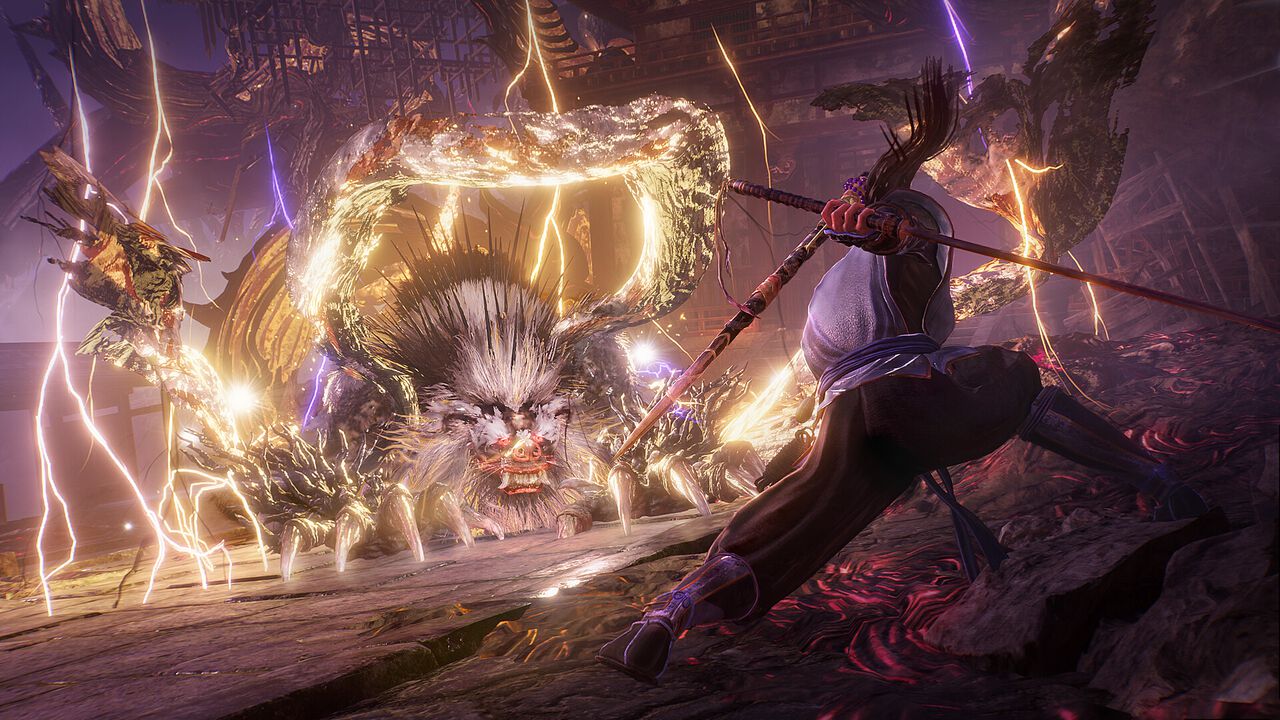
Koei Tecmo Threw the Kitchen Sink at TGS 2026
The numbers don’t lie, and they’re not flattering. Ninja Gaiden 3, a 9,680 yen launch title that hasn’t exactly set the world on fire, is now available for 5,517 yen — a 43% discount. Yumia’s Atelier, the latest entry in Koei Tecmo’s aging錬金術 series, is half price. The publisher isn’t being generous. It’s being desperate.
What’s remarkable isn’t the sale itself — game publishers discount relentlessly during Tokyo Game Show every year. This is a seasonal tradition as old as the event. What’s remarkable is how aggressively Koei Tecmo is discounting its flagship and mid-tier titles simultaneously. Most publishers reserve their deepest cuts for clearing out last-gen stock or managing end-of-cycle inventory. Koei Tecmo is applying fire-sale logic to current-generation titles still within their primary sales window.
The strategy is conspicuous precisely because it breaks from industry convention. During TGS 2025, Bandai Namco deep-discounted select titles but kept its marquee IPs — Tales, Tekken, Ace Attorney — firmly above 20% off. Bandai Namco understood the signal it was sending. Koei Tecmo appears to have abandoned that discipline entirely.
Who Actually Bought Ninja Gaiden 3?
Let’s be concrete. Ninja Gaiden 3 launched in late 2025 at full price. By September 2026, just a few months later, it’s already been slashed 43%. Compare this to FromSoftware’s Elden Ring, which held its price for over a year despite comparable launch-window scrutiny. The market has already spoken: Ninja Gaiden 3 wasn’t the hit Koei Tecmo hoped for.
The Season Pass, originally 5,500 yen, is now 4,400 yen — a meager 20% discount. That tells you something important. The DLC wasn’t selling well enough to move at the same aggressive rate as the base game. When publishers discount DLC proportionally less than the base title, it’s a textbook signal that the content expansions failed to generate secondary revenue streams. Koei Tecmo is clearing inventory, not celebrating content.
Ninja Gaiden 3’s commercial trajectory reflects a broader problem for the franchise. The series peaked culturally around 2007-2013, when Dead Cells-level difficulty and visceral combat defined an era. Since then, the demographic that drove those sales has aged, fractured, and dispersed across competitive fighters and Souls-likes that executed similar fantasies with modern design sensibilities. Ninja Gaiden’s brand equity is declining, and this sale confirms it.
The Atelier Series: Aging But Reliable
Yumia’s Atelier at 50% off is less alarming but still telling. The Atelier franchise has been Koei Tecmo’s steady performer for nearly two decades. It’s not exciting, but it’s reliable — aJRPG niche with dedicated fandom that tolerates incremental iteration year after year. Half-price Atelier games have historically been a gateway drug: players buy the discounted entry, discover the series’ charm, then return for the next installment at full price. That flywheel depends on sustained quality perception.
But here’s the question: does this strategy still work in 2026? The JRPG market has shifted dramatically. Games like Atelier Rorona found new audiences through streaming and YouTube discovery in the early 2020s, creating a nostalgia-driven renaissance that elevated catalog sales. That exposure doesn’t necessarily translate to sales for newer entries. The algorithmic attention economy rewards completionist walkthroughs and nostalgia trips, not mid-cycle Atelier releases. The 50% discount suggests Koei Tecmo isn’t confident Yumia will reach the same audience naturally.
There’s a second-order effect worth noting. Aggressive Atelier discounting risks devaluing the franchise’s perceived worth over time. Players who learn to wait for 50% off will increasingly resist full-price Atelier purchases, compressing margins for future entries. Koei Tecmo is trading long-term pricing power for short-term liquidity — a pattern that compounds.
Wo Long Gets the Same Treatment
Wo Long: Fallen Dynasty, the Three Kingdoms ninja game that underperformed expectations, is also 50% off. Even the DLC packs — 中原の争覇, 江東の小覇王, 荊州の風雲 — are marked down to 715 yen each. That’s a brutal discount that suggests the base game didn’t sell enough to sustain the DLC lifecycle. Typically, healthy DLC pipelines maintain modest 15-25% discounts at most during their first sale cycle. The fact that Wo Long’s expansion content is being liquidated alongside the base game indicates both failed to meet internal targets.
For PS Plus and Game Pass members, it’s even cheaper — 572 yen per DLC pack. Koei Tecmo is essentially giving away content to subscribers while trying to clear full-price sales from regular customers. This is a publisher trying to extract value from every possible channel because one channel isn’t working. The multi-platform extension — PlayStation Store through September 23, Microsoft Store through September 24, Nintendo eShop through September 28 — suggests no single storefront partnership is providing sufficient sales velocity.
Wo Long’s trajectory is particularly notable because Koei Tecmo clearly invested in it as a potential franchise cornerstone. The studio positioned it as a competitor to Souls-likes, targeting the same demographic that fueled Elden Ring’s commercial success. Its failure at full price signals that the Three Kingdoms action-RPG space simply can’t sustain a second major player alongside FromSoftware’s dominance. Koei Tecmo misread the market, and the discount is the corrective.
Zero: Red Butterfly Remake at 35% Off
The Zero series remake at 35% off is the most puzzling discount of all. Remakes typically command premium prices — look at Resident Evil 4’s multi-year pricing strategy, or the steady discount curves of other Capcom remakes. Those titles benefit from iconic IP recognition and a developer track record of quality. Koei Tecmo discounting a remake so aggressively suggests it either didn’t meet expectations or the original IP simply doesn’t have the pulling power anymore.
The Zero series — known as Fatal Frame in North America — enjoyed a cult following during the PlayStation 2 era, but that audience has fragmented across horror subgenres. Silent Hill’s revival, Resident Evil’s continued renaissance, and indie horror’s ascendancy have all displaced the specific niche Fatal Frame occupied. A remake in 2026 faces a landscape where the original’s cultural cache has significantly diluted. The 35% discount is Koei Tecmo’s acknowledgment that the IP needs subsidy to generate interest.
Why Koei Tecmo Can’t Stop Discounting
The pattern is clear across all three stores. Koei Tecmo is running this sale across every platform simultaneously, extending it over nearly two weeks. That’s not a quick clearance. That’s a sustained effort to move volume, coordinated across regions and storefronts to maximize coverage during the TGS shopping window.
Compare this to Sony’s approach with first-party titles like Horizon or God of War — those games rarely see discounts above 20-30%, and only after significant time has passed. Koei Tecmo’s aggressive pricing strategy reveals a fundamental difference: they’re not a premium brand. They’re a volume business that needs to move units, not build long-term player loyalty. Every discount erodes the price elasticity of future releases.
The structural problem is deeper than marketing strategy. Koei Tecmo’s portfolio lacks a franchise with the gravitational pull to anchor consumer spending. Dynasty Warriors has plateaued. Atelier is reliable but niche. Ninja Gaiden’s relevance has declined. Wo Long underperformed. Without a Monster Hunter or Final Fantasy driving revenue, the company is trapped in a discount cycle that corrodes margins while failing to generate the brand momentum needed to break free.
What Happens Next
Expect this pattern to continue. Koei Tecmo’s current portfolio — Ninja Gaiden, Atelier, Wo Long, Zero — spans multiple genres but lacks a unifying franchise powerhouse. The company will keep discounting to maintain cash flow, which creates a self-reinforcing cycle: consumers learn to wait, full-price sales decline, discounts deepen, margins compress further.
There are exit strategies, of course. Koei Tecmo could pursue acquisition targets, consolidate underperforming franchises, or pivot toward mobile and gacha revenue streams — options the company has explored inconsistently. But without a dramatic portfolio recalibration, the discount trajectory is predetermined by market forces.
The Smart Money Takeaway: If you’re a player looking to buy Ninja Gaiden 3 or Wo Long, wait until October. The discounts won’t get steeper, but they’ll certainly hold. If you’re an investor watching Koei Tecmo’s stock, this sale is a red flag — the company is burning margin to sustain revenue, which isn’t sustainable long-term. The game industry rewards patience and premium positioning. Koei Tecmo has forgotten both.