Korea's AI Power Crisis Mirrors Global Bottleneck
Korea faces a 25-30GW electricity shortfall as AI data centers and semiconductor plants compete for power. The same speed-to-power dynamics reshaping US markets are now hitting Asia's tech hub — with real consequences for chip expansion timelines.
The Speed-to-Power Problem Is Now a Global Constraint
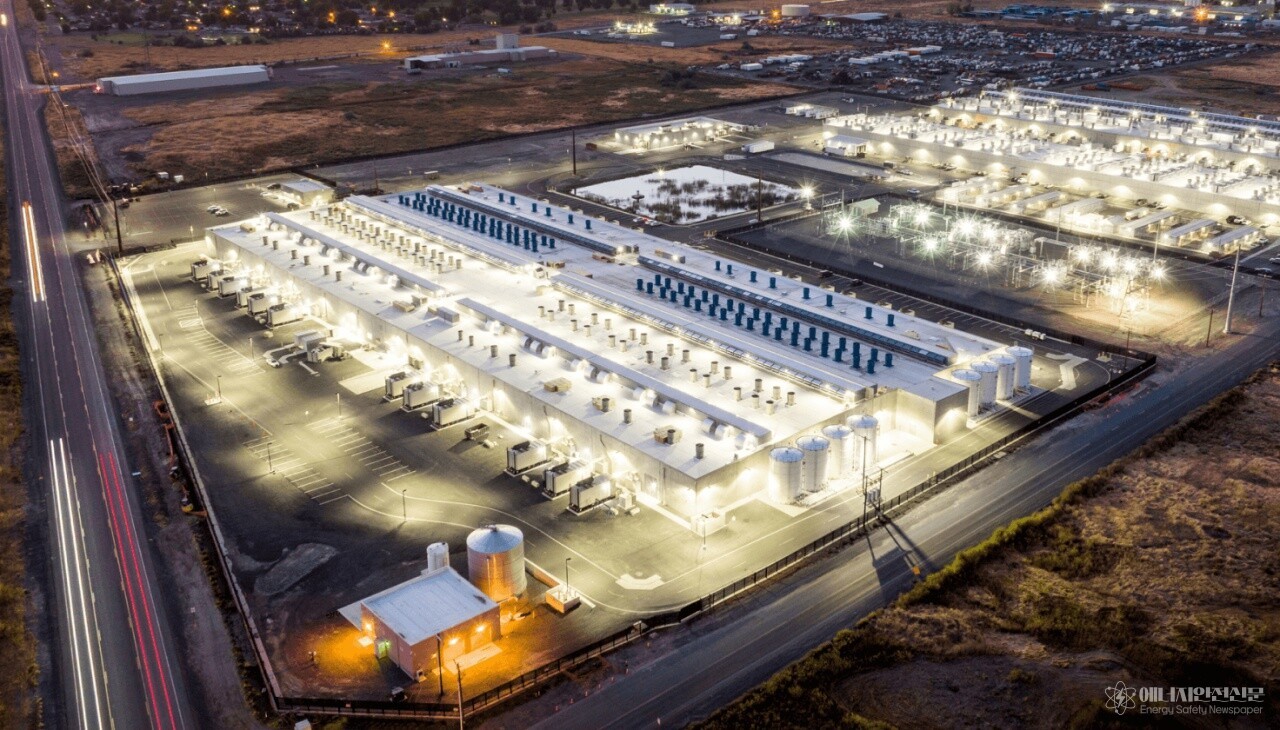
America’s power planners are watching something unusual unfold: data centers that will consume up to 17 percent of US electricity demand by 2030. But the story Korea faces this week has a sharper edge. The government is now estimating that AI data centers and semiconductor expansion will require an additional 25 to 30 gigawatts of power — roughly the output of 25 to 30 nuclear reactors.
The timing matters. Samsung Electronics and SK Hynix are investing tens of billions in advanced chip capacity. Their expansion plans cannot wait for transmission lines or new reactors. This creates a bottleneck that no amount of AI model training can solve: power simply cannot reach the servers fast enough.
The pattern mirrors what happened in America over the past 18 months. Microsoft, Amazon, and Google signed power purchase agreements with nuclear operators because solar and wind could not guarantee 24-hour supply for 1-gigawatt facilities. Korea is now confronting the same physics with the same urgency, except the power gap is measured in tens of gigawatts rather than single-gigawatt increments.
Who Wins When Power Becomes the Scarce Resource
The winners in this new hierarchy are not the companies with the fastest GPUs. They are the operators who can connect solar arrays and battery storage within months rather than years. Bloomberg New Energy Finance tracks what analysts call “speed-to-power” — the time between committing capital and receiving electrons at the data center door.
Solar plus battery energy storage systems emerged as the first solution in America because transmission connection timelines delayed grid expansion. You cannot leave a billion-dollar AI server farm idle while waiting for a new substation. The companies that secured solar and BESS agreements first won access to power. Everyone else signed contracts with nuclear operators as a backup.
Korea’s semiconductor giants face the same calculus. SK Hynix’s expansion in Icheon and Samsung’s new facility in Pyeongtaek require stable electricity for cleanroom operations and chip testing. A semiconductor fab cannot run on intermittent power. The companies with integrated energy packages — solar, BESS, and nuclear contracts combined — will have a competitive advantage that pure server performance cannot match.
The Nuclear Question Is Not Settled
Amazon signed a 20-year contract with Constellation Energy for 690 megawatts from the Calvert Cliffs nuclear plant in Maryland. Google is pushing forward with output augmentation at the Vogtle and Hatch plants in Georgia. These deals signal that big tech now treats nuclear energy as a strategic asset rather than a legacy fuel.
The economics have shifted. Nuclear operators receive premium pricing because they can guarantee 24-hour baseload power. Grid operators accept connection agreements faster because data center demand provides revenue certainty for reactor upgrades. Both sides benefit, but the timeline advantage belongs to the developer who moves fastest on multiple fronts.
Korea operates under the same constraints. Existing reactors provide stable power, but output augmentation requires licensing and safety reviews that take years. New reactor construction takes longer still. Small modular reactors offer a longer-term pathway, but commercial deployment remains uncertain before 2035. The companies that secure power packages combining solar, BESS, existing nuclear, and new nuclear will survive the transition. Those that rely on any single source will face outages.
What Happens Next for Semiconductor Timelines
The implication for chip expansion is direct. A fab that cannot secure 1-gigawatt power contracts within two years delays production timelines by 18 to 24 months. That delay translates to lost market share in advanced memory and logic chips. The companies that move fastest on power packages — not just server procurement — will dominate the next generation of AI hardware.
Cloud providers face the same constraint. An AI training cluster requiring 500 megawatts cannot begin deployment until power connection agreements are signed and transmission upgrades are complete. The earliest movers in data center construction are those securing integrated energy packages rather than waiting for single-source solutions.
Korea’s semiconductor supply chain has historically relied on just-in-time manufacturing and rapid scaling. The same approach cannot work when power infrastructure requires years of planning and permitting. The companies that adapt first — treating energy as a strategic input equal to capital and talent — will define the competitive landscape for the next decade.
The power market is no longer a background utility. It is the primary constraint on AI investment. The companies that solve for speed-to-power win. Everyone else waits.
The Numbers Behind the Bottleneck
America’s power grid operators project annual demand growth of 0.9 to 1.6 percent through 2050. Data centers could consume 17 percent of that total by 2030. Korea faces a different curve: 25 to 30 gigawatts of new demand concentrated in semiconductor and AI clusters over the next five years.
Solar plus battery storage projects connect to the grid in 12 to 18 months. Nuclear reactor output augmentation requires 3 to 5 years of licensing and construction. Transmission line upgrades take 5 to 10 years. The companies that bundle all three sources into integrated power packages will secure delivery dates that single-source strategies cannot match.
The market is moving toward bundled solutions precisely because no single energy source can deliver speed, scale, and stability simultaneously. Solar and battery provide speed. Nuclear provides scale. Transmission infrastructure provides stability. The companies that master all three win.
What English-Language Readers Usually Miss
Korean energy policy debates focus heavily on domestic politics and reactor licensing timelines. International observers often miss the global parallel: the same speed-to-power dynamics reshaping American markets are now hitting Asia’s largest semiconductor exporter. The implications extend beyond power markets into trade policy, investment flows, and technology leadership.
The companies securing power packages in Korea will also influence global supply chains. Samsung and SK Hynix serve the same American cloud providers that sign nuclear deals in Georgia and Maryland. The bottleneck is interconnected across continents. Solving power constraints in one region affects timelines in another.
The next round of AI hardware announcements will reflect energy availability as much as chip performance. Watch for data center power packages alongside GPU specifications. The companies that disclose both will have solved for the constraint that matters most: electrons at the right time, at the right scale, with the right stability. Everything else follows from there.