The Text Message That Could Reshape How Korea Approves Drugs
A text message requesting expedited drug approval from a lawmaker sits at the center of a case that exposes the murky intersection of politics and pharmaceutical regulation in South Korea.
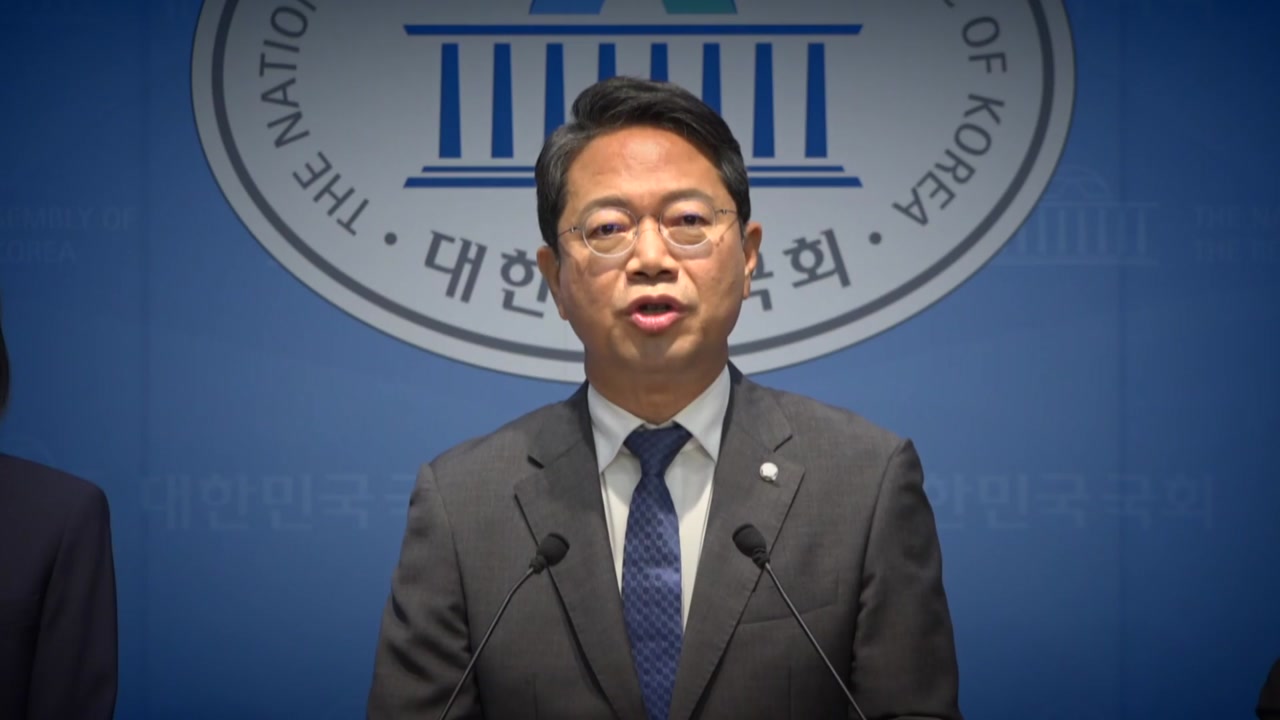
The Message on a Phone Screen
In October 2021, as South Korea wrestled with a brutal fourth wave of COVID-19, a businessman named Yang sent a text message to a lawmaker, Kim Seung-won. The message contained data on an experimental COVID treatment developed by university professor Kang, and it carried a clear request: get the food and drug authority to move faster.
Twenty-two days later, on October 26, the Ministry of Food and Drug Safety approved the clinical trial plan for that treatment.
The proximity of those two dates is what makes this story dangerous — not just for Kim, but for how South Korea governs the intersection of science, politics, and public health. A case that some might dismiss as political mudslinging actually sits at the center of a structural problem Western observers rarely notice: the informal channels through which regulatory outcomes can be influenced when urgency overrides procedure.
What Actually Happened
Professor Kang’s company had submitted an investigational new drug application to MFDS. The agency’s review body flagged deficiencies — it asked for supplementary data. That is routine. It is what the system is supposed to do. When Kang worried the process would stall, he turned to Yang, a businessman with political connections.
Yang forwarded the materials to Kim. The court’s first-instance judgment acknowledges that Yang sent Kim a text message requesting expedited processing. It does not find that Kim actually contacted MFDS officials himself. The prosecutors, noting the ambiguity, exercised their discretion and issued a deferred prosecution rather than charging Kim directly.
The legal outcome is technically a non-conviction, but the factual scaffolding around it is striking. A textbook regulatory review process — identify gaps, request supplements, wait for resubmission — was allegedly bypassed through a chain that ran from academic researcher to politically connected businessman to sitting lawmaker. And the timing is impossible to ignore: the supplementary-data request, the text message, the approval, all within the same month.
Why Western Eyes Miss This
Foreign outlets covering South Korea tend to frame political scandals as power struggles or personality clashes. The implication here is subtler and more institutional. This is not merely about one politician’s ethics — it is about a regulatory system that lacks the procedural insulation to resist informal pressure during emergencies.
South Korea’s MFDS operates under enormous public scrutiny. During COVID, the pressure to approve treatments fast was existential. Every week without an approved therapy was political suicide. That environment creates exactly the conditions where a text message from a connected businessman can feel like a reasonable shortcut rather than an ethical breach.
The system, in other words, was already primed for influence. The message may not have been necessary — the approval might have come on schedule anyway — but its existence reveals a channel that should not exist in a functioning regulatory state.
Who Wins, Who Loses
Kim Seung-won, a prominent figure in the ruling YS (United Future) party and a rising star in Korean politics, loses credibility. The deferred prosecution spares him a trial but leaves the factual record — as acknowledged by the court — on public display. He will face repeated questions about whether his office is a backdoor to regulatory decision-making.
Professor Kang’s treatment loses something intangible but vital: the presumption of approval based on scientific merit alone. When the timeline suggests political acceleration, every subsequent claim about the drug’s efficacy will carry an implicit question about whether the science was rushed or the review was shortcuts.
MFDS loses institutional trust. A single case may not shatter confidence, but it confirms the worst fear of citizens and industry players alike: that the agency’s doors can be nudged open by the right phone number at the right moment of crisis.
The broader pharmaceutical industry gains nothing and loses leverage. If treatments are seen as advancing through political channels rather than through scientific evaluation, companies with better connections will outpace companies with better data. That distorts the entire innovation ecosystem.
What Comes Next
The immediate consequence will be political. Kim Seung-won’s party is likely to treat this as a defensive issue — emphasizing the lack of a formal conviction and framing the case as partisan targeting. That is the standard Korean political playbook. But the factual record, as the court itself noted it, is specific enough that the defense has real work ahead of it.
Regulatorily, the case should force MFDS to formalize its internal communication protocols. If lawmakers can transmit approval requests via text message, the system needs transparent logging, mandatory disclosure, and clear consequences for outside contact during active reviews. Japan’s Pharmaceuticals and Medical Devices Agency has faced similar pressures and responded with stricter separation rules between regulators and elected officials — South Korea has not yet followed that path publicly.
Legislatively, there is a narrow window to introduce reforms that require regulatory agencies to publish timelines and decision rationales in ways that create accountability. The current system’s opacity is what makes these informal negotiations possible. Sunshine is not a perfect deterrent, but it raises the cost of doing business through back channels.
For Professor Kang’s treatment, the real damage is reputational. The clinical data will need to speak louder than the timeline ever could. If the therapy proves effective through independent trials, the political contamination fades. If it does not, the entire episode becomes a cautionary tale about emergency-driven science.
The Bigger Picture
This story is not unique to South Korea. Regulatory capture through political connection is a global phenomenon. What makes it distinctive here is the speed at which events unfolded and the casual nature of the request — a text message, not a formal meeting, not a lobbying firm, not even a written letter. That informality is the point.
It suggests that in moments of crisis, the line between legitimate advocacy and improper influence is thinner than most systems assume. A professor worries about his drug’s fate. He calls a friend with connections. That friend texts a politician. Twenty-two days later, the approval lands.
The chain is short. The implications are long. And until South Korea builds stronger procedural firewalls between its regulators and its political class, the next crisis will produce the next text message — and the next timeline that looks suspiciously convenient.
The court has not ruled on whether Kim actually contacted MFDS officials. That fact remains unresolved. But the structure of the allegation, confirmed in part by judicial findings, reveals a system where the answer may matter less than the appearance. In public health governance, appearance is never incidental. It is the foundation of trust — and once it cracks, the real science suffers most.