LG Energy Solution Joins NVIDIA's AI Power Play — And It Changes Everything
LG Energy Solution's inclusion in NVIDIA's DSX Ready program marks the moment Korean battery makers crossed from commodity suppliers into the AI infrastructure core. Who wins when the grid becomes the bottleneck.
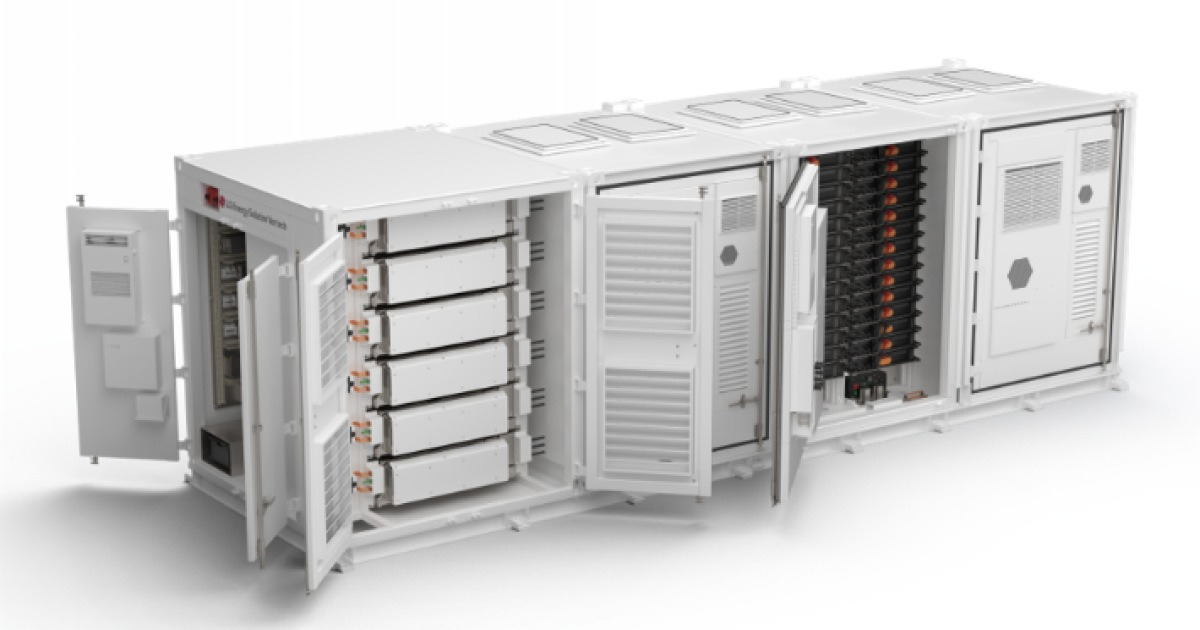
The Power Behind the Chips
When NVIDIA unveiled its DSX platform on September 21, 2026, the headlines focused on GPUs and AI factories. But buried in the press materials was a detail that should have mattered more: three Battery Energy Storage System partners, including LG Energy Solution, alongside Tesla and Hitachi Energy.
This is not a side deal. This is a signal that the AI infrastructure buildout has hit a wall most people were still arguing about — power.
NVIDIA’s DSX Ready program certifies products that meet the performance requirements of its DSX platform, which is designed to integrate and optimize the design, construction, and operation of next-generation AI factories from end to end. The fact that BESS units sit alongside compute and cooling equipment in that certification program tells you everything you need to know about where the bottleneck now lives.
Why Battery Makers Matter Now
AI data centers consume staggering amounts of electricity. A single advanced facility can draw hundreds of megawatts — enough to power a small city. Generation capacity is one thing. Grid stability is another. Batteries smooth the spikes, store off-peak energy, and keep the lights on when demand surges. Without them, even the best GPU is sitting dark.
NVIDIA’s own guidelines for AI factory BESS explicitly call out fast and stable power control capability based on PCS (Power Conversion System) technology. That is not generic energy storage language. That is engineered for the erratic, spiky load profiles of AI workloads, where training runs can create sudden demand swings that ordinary grid infrastructure cannot absorb.
LG Energy Solution checked every box. The company brings cell-level battery technology, system integration capability through its subsidiary LG Energy Solution Vertech, and — critically — five North American production sites. Michigan Lansing and Holland, Ontario’s NextStar Energy facility, the Ultium Cells joint venture with GM in Tennessee, and the L-H Battery Company plant with Honda in Ohio. American-made. Close to the customers building data centers right now.
The Players at the Table
The three BESS partners NVIDIA certified for DSX Ready are telling in their composition:
Tesla brings its Megapack brand and a vertical integration story that few can match. Hitachi Energy brings decades of grid-scale electrical engineering and an existing footprint in utility-scale storage. LG Energy Solution brings the deepest battery chemistry portfolio of the three, a growing North American manufacturing base, and what the company calls “differentiated local production capability.”
This is not a ranking. It is a diversification strategy by NVIDIA. The chipmaker needs supply chain redundancy the way it needed TSMC代工 capacity for its GPUs — because one disruption could stall an entire AI factory buildout. Battery supply is now part of that same vulnerability calculus.
The three CDU (Coolant Distribution Unit) partners complete the picture: power conversion, thermal management, and energy storage all sitting inside one NVIDIA-validated ecosystem. The message is clear. NVIDIA is no longer just selling chips. It is certifying the entire physical infrastructure stack that makes those chips useful.
What This Means for Korean Battery Makers
Korea’s battery industry has spent the past five years racing Chinese and Japanese competitors on energy density, cost per kWh, and EV market share. The DSX Ready inclusion represents a pivot from that competition into something different: becoming indispensable to the AI infrastructure boom.
Samsung SDI and SK On have not been mentioned as DSX partners. That matters. LG Energy Solution is alone among Korean battery makers at this table. If the AI data center storage market scales the way everyone expects, that alone could widen the gap between LG and its domestic rivals significantly.
The company’s own statement — issued September 22 — was carefully calibrated. “This partnership proves the competitiveness of our products optimized for AI data centers,” read one version. The subtext: LG is not asking to participate in the AI infrastructure conversation. It has already been seated.
Who Wins. Who Loses.
LG Energy Solution wins immediately through validation and a potential surge in North American AI data center orders. The company can point to an NVIDIA certification that competitors — even Tesla and Hitachi — would struggle to dismiss as a narrow contract.
NVIDIA wins by reducing risk. Every certified BESS partner is one less project delayed by power supply uncertainty. The DSX ecosystem becomes more attractive to cloud providers and hyperscalers precisely because it de-risks the infrastructure buildout.
US data center developers win too, indirectly. A Korean manufacturer with five North American plants means shorter lead times, fewer customs complications, and less exposure to geopolitical supply chain shocks that have plagued the battery industry since 2022.
The losers are harder to name precisely, but they exist. Chinese battery manufacturers — CATL, BYD, CALB — face a growing barrier. US policy already restricts Chinese battery content in critical infrastructure projects. LG’s North American production gives it an advantage that Chinese competitors cannot easily replicate. Samsung SDI and SK On, meanwhile, face the risk of falling behind in a segment that could grow faster than the EV battery market in the next three years.
What Happens Next
The DSX Ready certification is a launch-day announcement. The real test comes in execution. NVIDIA’s partners will need to deliver hardware at scale, integrate with DSX-optimized data center designs, and maintain the power control performance that earned them certification in the first place.
Expect LG Energy Solution to push hard on the North American AI data center market. Its Vertech subsidiary already has ESS integration experience. The five production sites give it a logistics advantage that will only grow as new data center projects break ground across Texas, Virginia, and the Southeast — regions where grid capacity is already constrained.
Watch for follow-on certifications. If DSX Ready expands to include additional battery chemistry options or next-generation storage systems, LG Energy Solution will be positioned to compete. The company has not ruled out further product additions to the DSX portfolio.
The broader implication is worth sitting with: the AI infrastructure race is no longer won by who builds the fastest chip. It is won by who can keep that chip powered, cooled, and running 24/7. Battery makers just moved from the periphery to the center of that equation. And LG Energy Solution is leading the pack.