Meghan's Acting Return Is Bigger Than One TV Role
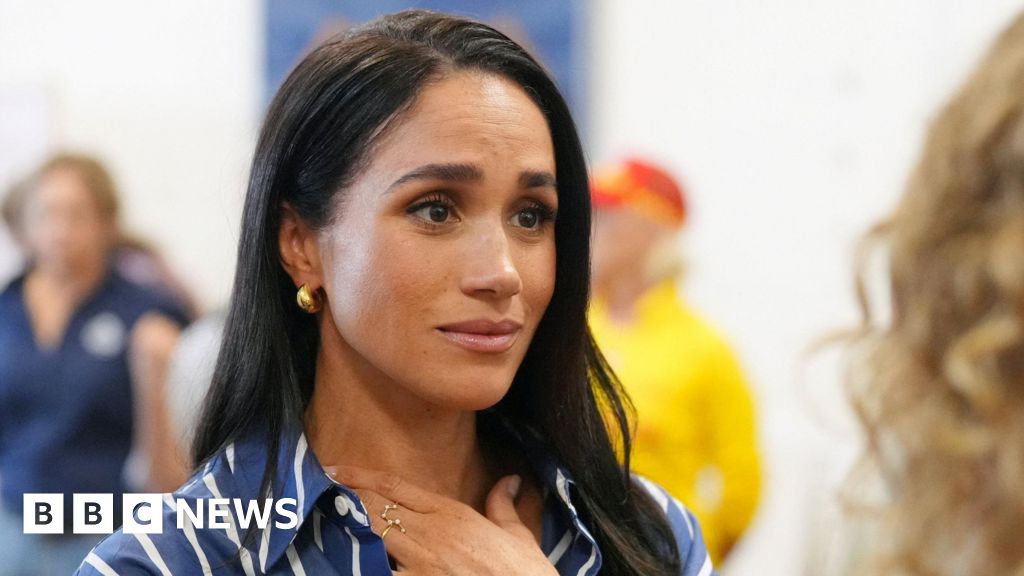
Meghan Markle is in early talks for a role in The Gentlemen, her first acting move since stepping back from Hollywood. What looks like a career pivot is really a test of whether royal-adjacent fame still opens doors in prestige television.
The Unlikely Pitch That Opens Doors
Meghan Markle’s reported entry into negotiations for a role in Guy Ritchie’s The Gentlemen — a comedic crime series built around a duke who stumbles into running a drug empire — may sound like the kind of casting gossip that dominates tabloids and podcasts for a week before dissolving into nothing. But the real story here is not about one woman and one show. It is about who still gets invited into the room when prestige television needs a name that moves metrics.
The talks are described as early. Details remain undisclosed. There is no script, no role confirmed, no guarantee this ever becomes a production. Yet the fact that discussions are underway at all tells you something important about how celebrity capital works in 2024 and beyond: a seven-season run on Suits is not the only thing that earns a seat at the table. A global platform built through memoirs, documentaries, production deals, and a cultural footprint that outlives most acting careers does.
The Cotswolds Connection That Raises Questions
The show has been filmed largely in the Cotswolds, the very region rumoured to be the Markle-Harry base if they return to the UK later this month. Whether this geographic overlap is coincidence or calculation, it creates a narrative entanglement that producers and networks love and critics dismiss. Either way, it raises an immediate question about authenticity versus optics. Can a actor who has spent years building a brand rooted in intentionality, vulnerability, and personal narrative credibly play into a Ritchie-style genre piece filled with British class satire and criminal underworld tropes? Or is this simply another data point in the ongoing debate about whether royal-adjacent figures can cross over into traditional dramatic or comedic roles without their fame overshadowing the work?
Guy Ritchie built his film and television reputation on stylized crime narratives with sharp dialogue and distinct visual flair. The Gentlemen draws from his own 2011 film of the same name, which starred Charlie Hunnam and Colin Farrell. Richie’s world is one of swaggering eccentrics, coded social hierarchies, and darkly comic moral ambiguity. If Meghan enters that ecosystem, she enters one where the audience’s expectations about who gets to be funny, dangerous, or complex on screen are under intense scrutiny.
The Streaming Economy’s New Currency
Netflix has long prioritized stars who carry built-in audiences, particularly in international markets where brand recognition transcends language barriers. Meghan Markle’s global visibility — amplified by Oprah, by her documentary series, by her involvement in initiatives around maternal health, education, and mental wellness — gives her a reach that most working actors would pay to acquire. That reach translates directly into subscriber engagement, especially in regions where British television has historically struggled to penetrate without a recognizable face attached.
The Gentlemen already proved its appeal with two prior seasons starring Theo James, Hugh Bonneville, and Vinnie Jones. Each season expanded the show’s audience and deepened its world. Adding a high-profile name familiar to millions who may have never watched a British crime comedy before is not a risk — it is a strategy. And it is a strategy that rewards not just talent but timing. The question is whether Meghan brings enough craft to justify the investment beyond the headline value.
What She Stands to Lose Beyond the Role Itself
If the talks proceed and materialize, Meghan would be stepping back into an industry that watched her leave under extraordinary circumstances. Her exit from Suits was abrupt but not bitter in public framing. She called it a new chapter, not a betrayal. The intervening years have built a separate identity built around advocacy, storytelling through production, and a carefully managed public persona. Returning to acting reopens conversations about legitimacy, about whether she can be seen as an artist rather than a brand, about whether the world has moved past the royal drama enough to judge her purely on performance.
There is also the matter of Harry’s presence — or absence — from this particular equation. If they do return to the UK, as reported, the media landscape around them intensifies immediately. A filming schedule in the Cotswolds would place them geographically close to the Royal Family’s heartland, guaranteeing additional press coverage that extends well beyond entertainment journalism. Every still, every rumor, every sighting becomes part of a larger narrative cycle that benefits no one involved except the publishers selling ads against it.
The Real Test Is Not the Role — It Is the Audience’s Willingness to Look Past the Crown
Actors who return after long absences face a specific cultural test. Audiences bring baggage. Critics bring skepticism. The industry brings calculation. Meghan’s situation carries extra weight because the baggage includes not just professional history but familial history that continues to generate headlines regardless of her choices. The world will judge her performance through a lens shaped by decades of royal coverage, American soap-opera familiarity, and recent documentary revelations that reframed public perception for many viewers.
If The Gentlemen becomes real and Meghan delivers, it demonstrates that celebrity-driven casting can coexist with artistic credibility. If it does not, it reinforces the assumption that some names open doors but cannot walk through them alone. Either outcome shifts the conversation about privilege and access in entertainment — one of the most durable debates in modern culture.
Who Wins If This Happens
Netflix wins if subscriptions rise and chatter generates free marketing. Guy Ritchie wins if the show gains a fresh demographic without alienating existing fans. Meghan wins if she proves she can operate in a demanding creative environment and earn respect separate from her title and her husband’s name. The Cotswolds hospitality industry wins regardless, since the show keeps filming there whether she joins or not.
The only clear loser in the short term is the illusion that celebrity comebacks are simple. They are not. They are strategic calculations layered with public expectation, industry economics, and the invisible architecture of fame that determines who gets remembered and who gets dismissed. Meghan’s potential return to acting is none of those things simplified. It is exactly that complicated, which is why it matters beyond the entertainment section.