Microsoft Says Typing Code Is Over. The Dev-Tooling Industry Should Listen.
David Fowler's declaration that manual coding is fading signals a structural shift in software development. Microsoft is redesigning its toolchain so AI agents operate inside the loop — and the winners will be those who build the next layer of infrastructure.
The Signal in the Noise
David Fowler doesn’t write X posts for clicks. He’s spent 18 years at Microsoft co-creating SignalR, founding NuGet and the Kudu deployment engine, and building the core of ASP.NET Core. Today he leads Aspire, the company’s toolchain for distributed applications. When he writes that typing code is absolutely over, it lands differently than if a product manager says the same thing.
The claim is modest and radical at once. Fowler isn’t predicting the end of software engineering. He’s saying the mechanical act of typing line by line in an editor is becoming the least valuable part of the job. The work is shifting upstream to architecture, performance, and verification — and downstream to testing, dependency management, and security auditing. Both moves concentrate power in different hands.
How Microsoft Actually Built This
The timeline matters. In May 2023, Microsoft Research published a study on Visual Studio IntelliCode testing 19 different designs across seven lab studies with 61 programmers. The finding wasn’t that AI suggestions were bad. It was that developers missed them because of how they appeared on screen. Autocomplete had limits.
Fast forward to February 2026, when GitHub added Windows development environments to Copilot’s coding agent. The agent can now build its own environment, work in the background, modify a repository, run linters, verify builds, and open a pull request — all without a human orchestrating each step. By April 2026, the same team noted that AI agents are really good at writing code, but generating code and shipping a full working app are very different things.
That gap is where Aspire 13.1 and 13.2 were designed to live. Aspire 13.1 made AI coding assistants first-class citizens in its workflow. Aspire 13.2 added an agent-friendly CLI and MCP support. The point is simple: let agents start services, read logs, inspect telemetry, restart what’s broken, and test again without a developer copy-pasting error messages into a chat window.
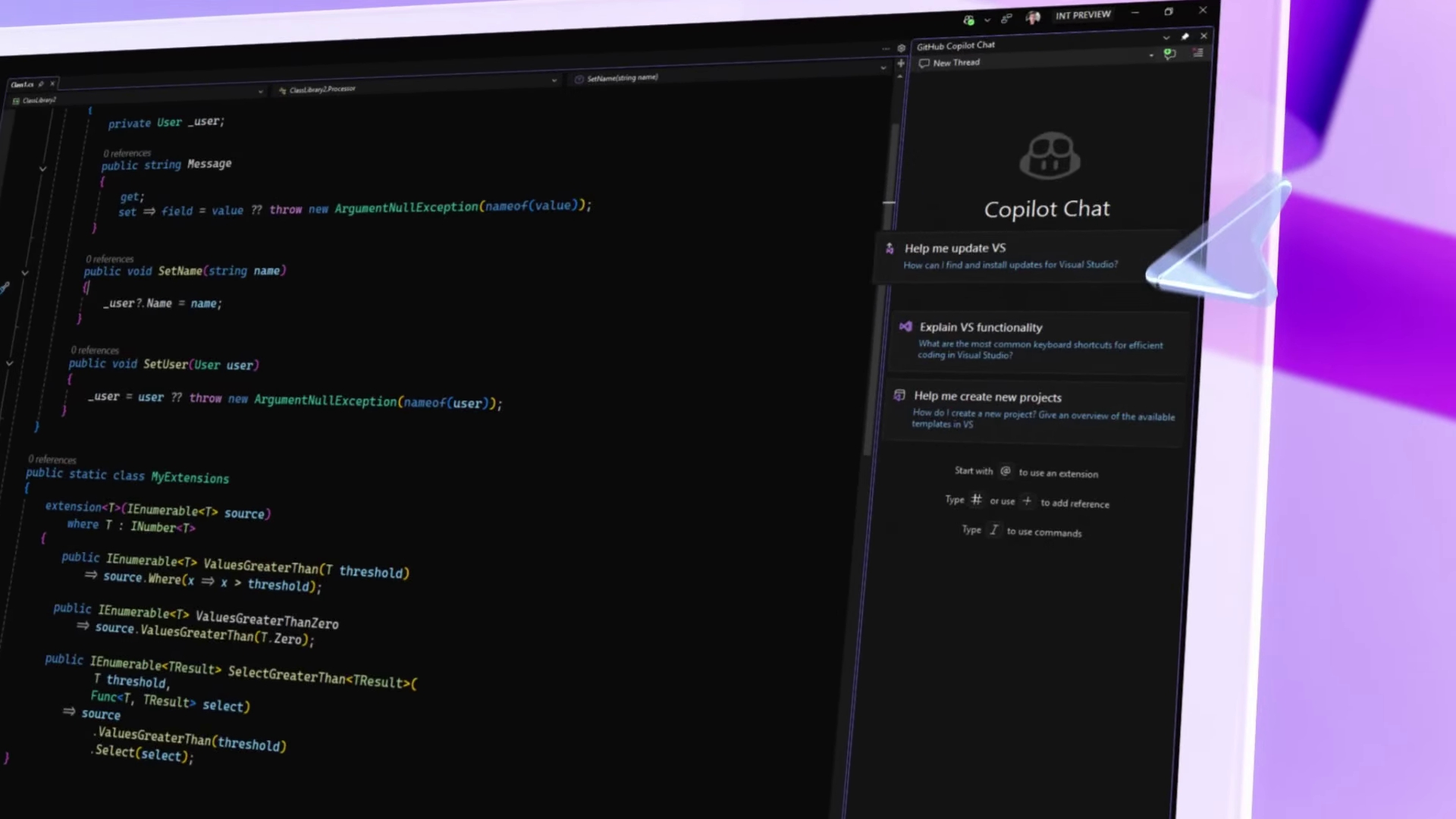
The tools are being redesigned so AI can operate inside the loop, not just beside it.
The Security Problem Nobody Is Solving Gently
The 44% vulnerability rate in AI-generated code should alarm anyone building on top of it. Veracode’s 2026 GenAI Code Security Report tested AI code-generation tasks and found nearly half produced code with a known vulnerability. That’s a controlled benchmark, but the direction is unmistakable.
Microsoft is fighting fire with fire. Its MDASH system — an agentic vulnerability scanner with that appropriately ominous codename — is already deployed across Windows, Azure, and identity engineering teams. The company says MDASH enabled vulnerability hunting at the scale of Windows with a depth of analysis previously impossible, specifically mentioning work on the Windows kernel, Hyper-V, and the networking stack.
This is the hidden half of Fowler’s claim. If code generation becomes cheap, code review becomes expensive. The engineers who can verify what AI produces will carry disproportionate leverage. The ones who can’t will be running unreviewed systems in production.
Who Wins and Who Loses
The winners are already visible. Microsoft owns the stack from IDE to runtime to cloud. Copilot runs inside Visual Studio. Aspire orchestrates distributed apps. MDASH scans the output. The company controls the feedback loop between generation, verification, and deployment. That position strengthens with every feature release.
GitHub Copilot’s move to run agent sessions inside WSL — making Linux development on Windows easier with AI — extends that control beyond Windows boundaries. Developers stay inside Microsoft’s environment longer.
The losers are less dramatic but real. Standalone IDE vendors face pressure as agents demand deeper integration with the tools they produce. Independent security scanners must compete against agentic systems that scan while they build. Open-source maintainers who rely on manual code review will need new verification pipelines or risk becoming trust bottlenecks.
The $200 billion developer-tooling ecosystem won’t shrink. It will reorder. Tools that help humans verify, audit, and manage AI-generated output will grow. Tools that only assist with generation will face commoditization.
Windows 11 as Proof of Concept
Microsoft isn’t testing this on a side project. Windows 11 is the proof. The July update alone patched 570 bugs — a volume that strains traditional development cycles. The company lists WinUI 3 as its recommended native framework for new Windows apps and made the framework fully open-source. More open, better-documented tooling gives AI agents more to work with. It also locks developers into Microsoft’s native stack rather than web wrappers.
Fowler is the same engineer who predicted the return of native apps. The pattern holds: Microsoft identifies a direction, opens the tools, and builds the infrastructure that makes that direction the path of least resistance.
Project Zenith, announced September 4, pushes the logic further. It’s a stripped-down, developer-tuned Windows 11 configuration demanding 64GB unified RAM and 250GB/s of memory bandwidth, starting with AMD’s Ryzen AI Halo chips. The goal is local AI development — running 30B-plus parameter models on machine rather than paying per token to the cloud. It’s not a new idea. It’s a new baseline for what a development machine should be.
The Engineer Who Stays
Fowler isn’t saying developers disappear. He’s describing a role shift. When code generation approaches zero marginal cost, the valuable work moves to decisions: what to build, how to structure it, whether it’s secure, whether it performs. The keyboard stops being the center of coding.
The engineer who thrives in that world is part architect, part auditor. They design systems that agents can populate. They review output that no human wrote line by line. They care about dependencies, constraints, and failure modes because AI won’t notice them until something breaks in production.
That’s not a lesser job. It’s a harder one. And Microsoft is building the tools that make it possible.
The industry should watch not for the death of programmers but for the birth of a new kind of software work — one where the most important skill isn’t typing speed but judgment.