Mitsubishi Revives the Pajero as a Hedge Against Chinese EVs
Mitsubishi is bringing back the legendary Pajero for 100 countries in 2026 — but this isn't a nostalgia play. It's a calculated bet that rugged, diesel-powered SUVs still have a future in markets Chinese EVs can't easily reach.
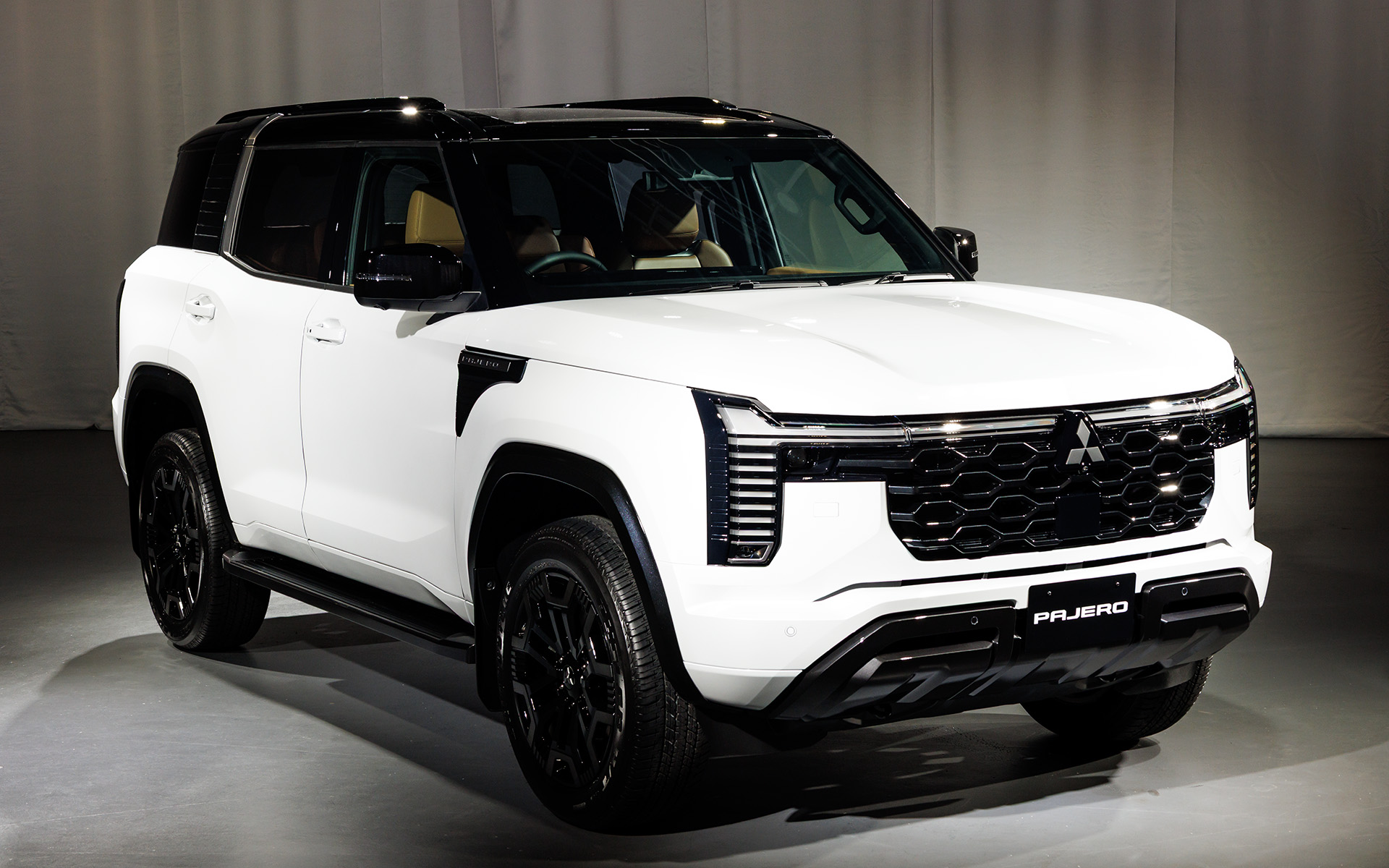
The Pajero Is Back — and It’s Not What You Think
Mitsubishi is reviving the Pajero for 2026, and the world is watching. But this isn’t a nostalgia-driven revival aimed at off-road enthusiasts. This is a strategic counterpunch in a market where Chinese EVs are rapidly swallowing the global SUV segment.
The fifth-generation Pajero will launch first in Japan, Australia, and Thailand before rolling out to approximately 100 countries over the following years. That’s a deliberate choice — Mitsubishi isn’t targeting Europe, where diesel diesels and emissions regulations would strangle the formula. It’s targeting the markets where Chinese manufacturers haven’t yet established a dominant foothold: Southeast Asia, Latin America, the Middle East, and parts of Africa and Oceania.
A Ladder Frame Returns
The most significant technical shift is also the most symbolic. The previous generation Pajero had moved to a unibody construction with independent suspension — a move that made the vehicle more comfortable on pavement but dilute its off-road character. The fifth generation goes back to a ladder frame, specifically one derived from the Triton pickup truck, though Mitsubishi says it’s been specially tuned for the Pajero.
The dimensions tell the story: 4,920 millimeters long, 1,925 wide, 1,910 tall, with a wheelbase of 2,870 mm — 90 mm longer than the outgoing model. The approach angle sits at 30.4 degrees, the departure angle at 25.8 degrees. These aren’t marginal improvements. They signal a return to the Pajero’s roots as a serious off-roader, not a lifestyle SUV.
The suspension uses a double-wishbone front and a newly developed five-link coil rear — a significant upgrade from the leaf-spring setup that defined earlier generations. Mitsubishi is betting that buyers will accept the increased weight (2,460 kg) in exchange for both on-road comfort and genuine off-road capability.
The Diesel Question
Under the hood sits a 2.4-liter direct-injection diesel producing 150 kW and 480 Nm of torque. That torque figure exceeds the 3.2-liter diesel from the fourth generation, despite the smaller displacement. The engine is paired with an eight-speed automatic and Mitsubishi’s Super Select 4WD system, now integrated with S-AWC (Super All Wheel Control) for dynamic torque distribution across all four wheels.
In an industry that has largely abandoned diesel, Mitsubishi’s commitment to this powertrain is either reckless or brilliant. The markets it’s targeting — places where charging infrastructure is sparse and long-distance travel across varied terrain is the norm — still reward diesel’s torque, fuel economy, and range. Chinese EVs haven’t penetrated these markets in meaningful numbers, partly because the infrastructure doesn’t exist and partly because the price points don’t align with local purchasing power.
That gap is where the Pajero lives.
The Chinese EV Threat Is Real
Chinese automakers are moving aggressively into SUV segments globally. BYD, Geely, and others are flooding markets with electric and plug-in hybrid SUVs at prices that undercut incumbents. In Europe, this pressure is already reshaping the competitive landscape. In Southeast Asia and Latin America, the same dynamic is building.
But Chinese EVs face structural barriers in the markets Mitsubishi is targeting: limited charging networks, lower per-capita incomes, and consumer preferences that still favor mechanical simplicity and proven reliability over software-defined vehicles. The Pajero’s ladder frame, diesel engine, and part-time four-wheel drive are features that resonate in这些地方 — and that Chinese EVs can’t currently replicate at competitive prices.
Mitsubishi’s move is a hedge. While competitors chase electrification, the Pajero bets that there will remain a large and underserved market for tough, capable, diesel-powered SUVs in the developing world for years to come.
Inside the Cabin: Premium Ambitions
The interior tells a different story from the mechanical underneath. A 14.3-inch digital instrument cluster and center display dominate the dash. The top trim features a Yamaha-developed 12-speaker audio system with dual amplifiers. Three-zone automatic climate control, ventilated front seats, a panoramic sunroof, and a 3D around-view monitor with a dedicated off-road underfloor camera are all present.
Mitsubishi’s MyPilot driver assistance system — combining adaptive cruise control and lane-keeping — brings Level 2 autonomy to highway driving. Advanced safety features include pre-collision braking, blind-spot monitoring, and cross-traffic alerts. The cabin is clearly aimed at buyers who want comfort without sacrificing capability.
Who Wins, Who Loses
Mitsubishi wins if it executes well. The Pajero fills a niche that few competitors are addressing: a genuine off-roader with modern comfort and technology, sold in markets where Chinese EVs can’t yet compete on price or practicality. If the 100-market rollout materializes as planned, the Pajero could become Mitsubishi’s most important global product in years.
Chinese EV makers lose ground in these specific markets — at least for now. Their electric SUVs simply don’t have the infrastructure tailwinds or the price advantage in regions where diesel remains king. But that advantage is temporary. As charging networks expand and battery costs fall, the Pajero’s diesel hedge becomes a liability.
Rivian, Toyota, and other Western off-road brands also lose here. The Pajero re-enters a space they’ve largely abandoned or priced out of reach. At an estimated price point well below a Toyota Land Cruiser or Rivian R1S, the Pajero could capture buyers who want serious capability without the luxury premium.
What Happens Next
Mitsubishi plans to begin sales in 2026, starting with Japan, Australia, and Thailand. The full 100-market rollout will take years. The real test will come when Chinese automakers — who are already planning diesel and hybrid options for emerging markets — decide to target the same niches.
For now, the Pajero’s return is a reminder that not every car company needs to follow the EV crowd. In the right markets, at the right price, with the right capabilities, a 2.4-liter diesel SUV with a ladder frame still has a future. The question isn’t whether the Pajero can survive — it’s whether Mitsubishi can sustain this strategy long enough for the hedge to pay off.