Miyazaki Just Redefined the Souls Multiplayer Future
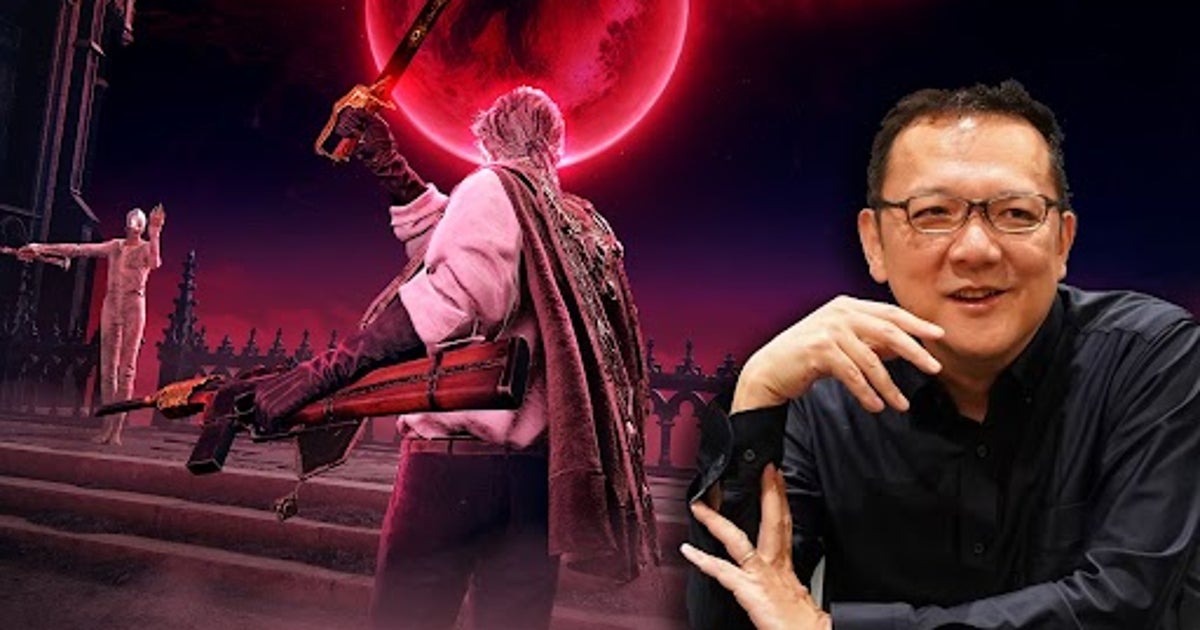
Hidetaka Miyazaki's vision for The Duskbloods matchmaking does something rare: it preserves FromSoftware's soul-crushing identity while making multiplayer survivable for newcomers. The delayed rollout and mentorship systems point to a philosophy most studios ignore.
The Matchmaking Question No One Asks Right
Skill-based matchmaking is one of the most tired arguments in multiplayer gaming. Veteran players complain it ruins lobbies. New players complain about being crushed by people who treat hitboxes like suggestions. Everyone ends up miserable, and the industry keeps sliding between two bad options.
Hidetaka Miyazaki seems to have noticed.
Speaking to IGN about The Duskbloods, FromSoftware’s president confirmed the studio will implement ranked matchmaking to separate highly skilled players from newcomers. But here is the detail that actually matters: Miyazaki stressed this feature might not ship at launch. It will arrive later. That deliberate delay is not a deferral — it is a design choice.
Most studios lock matchmaking systems on day one because the alternative feels like admitting the game is unfinished. Miyazaki is willing to let The Duskbloods exist in an imperfect state temporarily. The network test runs in four daily phases from August 21 through August 24, and FromSoftware is watching how experimental systems like the Sigil and Virtue point mechanics land before committing to a final structure.
That restraint is unusual for a studio of this size.
Preserving the Squeeze
FromSoftware’s brand has always been built on a specific kind of tension. The studio made its name on games where every encounter feels like a negotiation with something that wants you dead. Players who stick with FromSoftware do so precisely because the difficulty is real. It is not artificial padding — it is the core experience.
The problem for multiplayer is that this tension does not scale. A player who has spent two hundred hours mastering combat systems in Elden Ring does not play the same game as someone who logged forty hours last week. Put them in the same lobby and the experienced player treats the match like a puzzle they already solved. The new player treats it like a threat.
Traditional matchmaking tries to erase that gap. Ranked modes, skill ratings, matchmaking algorithms — the goal is always equality. You get a opponent who is roughly your level, and the match feels fair.
Miyazaki’s approach flips that logic. Instead of pretending the gap does not exist, he is building systems that make the gap part of the experience.
The Alliance system is the clearest example. Veterans can choose to prioritize pairing with newcomers, and newcomers can specifically request to be matched with high-ranked players. This is not forced cooperation. It is voluntary mentorship, structured so that experienced players feel useful rather than exploited and new players feel guided rather than humiliated.
Miyazaki compared the dynamic to leaving guidance signs in front of bosses in FromSoftware’s single-player games. That is not a casual comparison. Those signs are one of the studio’s most iconic community moments — anonymous players leaving hints, warnings, and encouragement for strangers. Miyazaki is attempting to digitize that social contract inside a competitive framework.
What the Mentorship Systems Actually Solve
The dual unlock system deserves more attention than it usually gets. New players who lose matches can still progress through story content and character customization. Skill improvement is not the only path forward.
This is significant because most multiplayer games treat progression as purely competitive. Lose repeatedly and you fall behind. Win consistently and you advance. There is no room for players who simply want to exist in the game world without dominating it.
FromSoftware is designing for both types of player simultaneously. The casual experience draws people in through narrative and aesthetic investment. The competitive ladder rewards those who want to master the mechanics. And the matchmaking structure keeps the two populations from colliding destructively.
Miyazaki was explicit about the goal: veterans should feel like they are contributing, and newcomers should feel accepted. That phrasing matters. He did not say veterans should feel less frustrated by carrying weaker teammates. He said they should feel productive. The studio is asking experienced players to see mentoring as a reward in itself, not a compromise.
That is a cultural shift most multiplayer games never attempt.
The Bigger Signal About FromSoftware’s Trajectory
The Duskbloods is a Nintendo Switch 2 exclusive, which immediately frames it as an experiment in format. Console multiplayer has historically been harder for FromSoftware to navigate than PC titles, where infrastructure and player density make matchmaking far more reliable. A console-first multiplayer title from this studio is uncharacteristic.
But Miyazaki has already indicated this is not a permanent pivot. He suggested the studio intends to return to single-player games once The Duskbloods and Elden Ring: Nightreign are completed. The multiplayer focus of those two projects appears coincidental rather than strategic.
That framing makes the matchmaking decisions here even more interesting. If this is a temporary detour, then Miyazaki is applying FromSoftware’s design philosophy to multiplayer systems at full intensity — not as a learning exercise, but as genuine creative investment. He is not half-heartedly adapting Souls mechanics for a live-service model. He is rebuilding multiplayer from the ground up using the studio’s existing design DNA.
The result could recalibrate expectations for how challenging multiplayer games can be without alienating their audience. Most studios solve that problem by lowering difficulty or removing meaningful competition. Miyazaki is solving it by restructuring the social architecture around the game.
What Comes Next
Nothing in The Duskbloods is finalized. The Network Test data will shape how matchmaking lands in the finished product, and the current build contains experimental systems that may change significantly. The delayed rollout of ranked matchmaking suggests FromSoftware is willing to iterate publicly rather than ship a broken system and patch it later.
What is clear is the philosophy behind the choices. Miyazaki sees the skill gap not as a problem to eliminate but as a structural element to manage. The studio is building guardrails — ranked pools, voluntary mentorship pathways, dual progression tracks — that allow its most punishing design language to coexist with accessibility.
If this approach works, it changes the conversation about multiplayer design across the industry. The default assumption has always been that difficulty and broad appeal are in tension. FromSoftware is demonstrating that they can be reconciled through careful social architecture rather than mechanical watered-down.
The real question is whether the studio can sustain that architecture long enough for it to matter. Switch 2 exclusivity limits the initial player base compared to a multiplatform release, and player retention in any competitive multiplayer title depends on continuous content investment. But if The Duskbloods delivers on Miyazaki’s vision, it could become the blueprint for how challenging games handle their most fragile demographic: the person who just joined and does not yet understand why everything is trying to kill them.