Trump's Phone Call to Musk Changed Ukraine's Drone War
A single call from Donald Trump to Elon Musk lifted a speed restriction on Starshield that was crippling Ukrainian drone operations. The incident reveals how private tech infrastructure has become a decisive battlefield lever—and who really controls it.
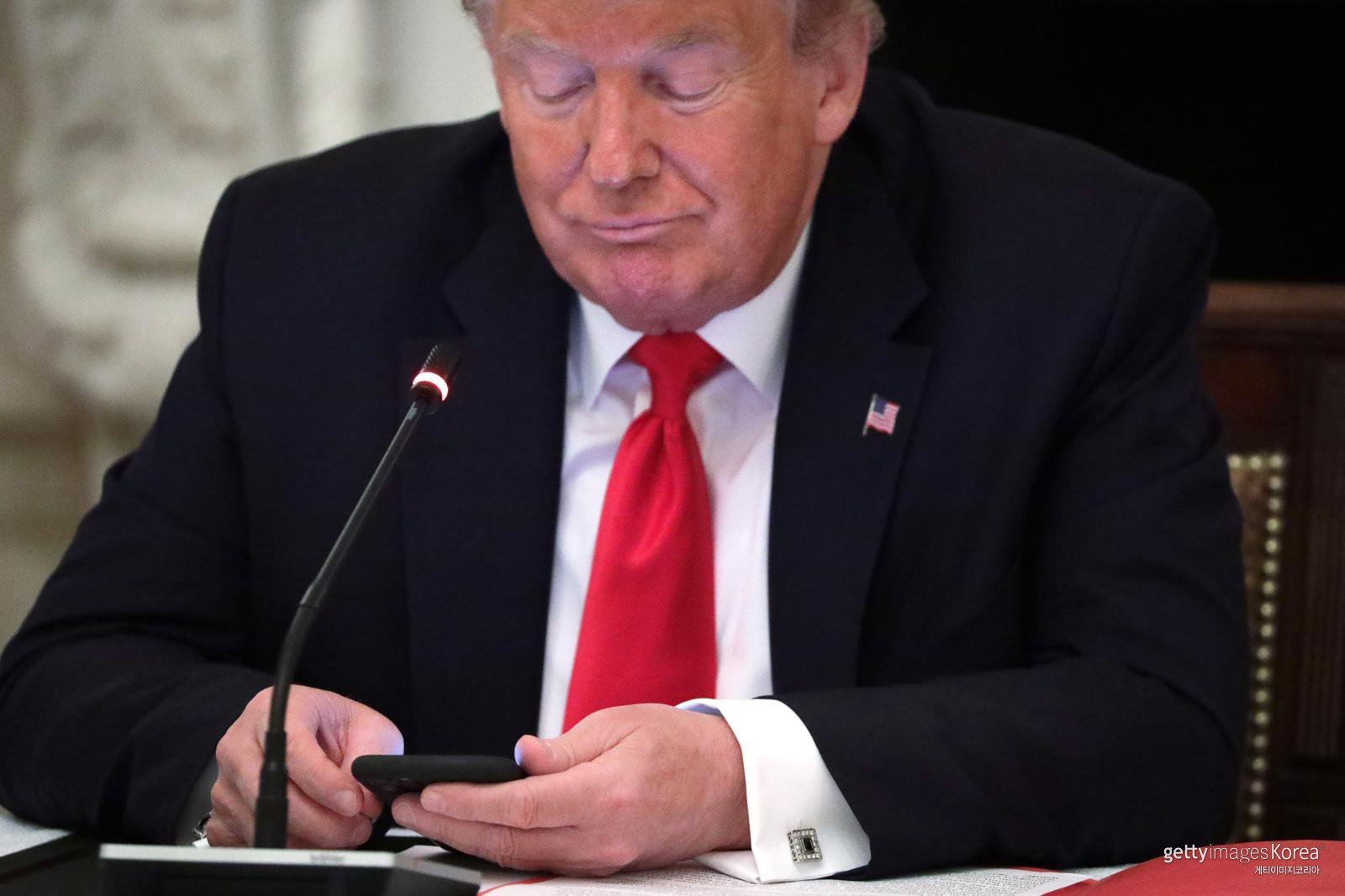
A Phone Call That Shifted the Sky Above Ukraine
Donald Trump called Elon Musk. That is all the public record shows. But the consequences of that conversation rippled across the Ukrainian frontline, where drone operators suddenly found their Starshield terminals working again—or at least, working faster.
The restriction in question was subtle but devastating: any Starshield terminal moving faster than roughly 160 kilometers per hour lost its satellite data connection. For a service sold to governments as a secure communications backbone, this was an extraordinary operational handicap. Russian Shahed-style jet drones cruise at over 400 km/h. Ukrainian interceptor drones had to match or exceed that speed to engage them. Under the restriction, they simply could not maintain contact with their command structure at the velocities required to intercept.
Within a day of the call, U.S. and Ukrainian officials confirmed that service had improved. Some units reported restored functionality at higher speeds. Other officials, speaking to AP, said the 160 km/h cap still held in practice. The truth sits somewhere in between—a partial restoration, a negotiated compromise, or perhaps two different interpretations of what “restored” means when the infrastructure belongs to a private company and the battlefield spans thousands of kilometers.
Trump himself offered the most revealing comment. When asked directly whether he had spoken to Musk, he refused to confirm or deny the call. Then he said, almost casually: “The conclusion is that he put it back.”
He did not claim credit. He did not deny responsibility. He described an outcome and moved on.
Who Decided, and Who Is Liable
The question no one has answered cleanly is this: who imposed the speed restriction in the first place?
The Wall Street Journal cited U.S. officials saying Musk ordered the slowdown himself. Reuters, reporting on September 15, quoted two American officials and a Western authority who said the restriction originated inside the White House. These are not mutually exclusive possibilities—the same restriction could have been proposed by Pentagon handlers and approved by SpaceX, or vice versa. But the fact that the two accounts diverge so sharply on the origin tells you something important about how opaque this decision-making chain has become.
Musk’s position has been consistent: Starshield is a U.S. government-owned and -controlled system, and SpaceX’s authority over its terms of service is limited. He effectively told reporters the buck stops with the Pentagon and, ultimately, the president.
Senior administration officials echoed that framing. Secretary of State Marco Rubio suggested Ukraine’s Starlink conditions were a SpaceX and Musk decision. Secretary of Defense Pete Hegseth agreed that SpaceX could set terms under the contract. Vice President JD Vance offered the most candid read, telling reporters on September 22 that he understood why Musk “doesn’t want to get caught up in the middle of a war” when the U.S. government hasn’t given him clear direction. The problem, Vance said, was not Elon—it was America’s unresolved policy on Ukraine and Russia.
That last line is the real story. The administration is simultaneously relying on SpaceX infrastructure for combat operations and refusing to assert clear command authority over it. The result is a system where battlefield communications can be throttled or restored by a phone call between two men who operate outside any traditional chain of command.
The Infrastructure Is the Weapon Now
This incident reveals a structural shift in modern warfare that deserves far more attention than it has received. Starshield is not a weapon. It is not a drone. It is a communications network—a layer of private infrastructure that has become indispensable to military operations. And it is owned by a single company whose CEO answers to no elected body, no defense procurement process, and no formal military protocol.
When a speed restriction on that network grounded Ukrainian interceptor drones, it was not an act of war by a state actor. It was an operational decision made inside a corporate product team, enforced through software updates, with effects indistinguishable from a military order. That distinction matters enormously.
European observers are watching this dynamic with growing alarm, and not only because of Starlink. The same pattern appears in Palantir’s deepening relationship with Western defense establishments. Palantir’s Gotham and Foundry platforms now underpin targeting analysis, logistics tracking, and AI-driven intelligence synthesis for multiple NATO militaries. Like Starshield, Palantir’s systems are commercially developed, privately operated, and increasingly central to combat decision-making. The concern in European capitals is not theoretical: if a U.S. president can call a CEO and alter the terms of a critical war-fighting capability, what leverage does Washington hold over allied forces that depend on the same infrastructure?
The European response has been fragmented. France and Germany have discussed sovereign satellite initiatives. The EU has accelerated work on its own secure communications frameworks. None of these efforts will produce a viable alternative to Starshield’s current coverage and latency within any timeframe that matters to Ukraine. The dependency is real, and it is asymmetric.
What Comes Next
The immediate operational impact is clear: Ukrainian drone units that were flying below 160 km/h to preserve their satellite link can now push harder. That translates directly into more effective intercepts of Russian strike drones, better situational awareness for forward units, and reduced exposure time in contested airspace. Michael Kofman of the Carnegie Endowment described the change as a significant boost to Ukraine’s deep-strike capability and its ability to deploy interceptor drones at scale.
But the political implications run deeper. Senator Richard Blumenthal has opened a Senate inquiry into why Starshield functions were restricted without prior notice and whether the Defense Department has adequate backup communications if SpaceX services are disrupted. His letter to Hegseth demanded answers on both the technical authority to modify service terms and the legal authority behind those modifications.
Those are the right questions. The wrong assumption—that this was an anomaly—should be discarded. Infrastructure privatization in the defense sector is not a trend; it is the operating model. SpaceX launched hundreds of satellites to build a network that now sits at the center of a live war. Palantir sells AI-driven analytics to militaries that have outsourced their data sovereignty. And the chain of command that should govern their use is模糊 at best.
Trump’s refusal to confirm or deny the call was not evasion. It was a description of the new reality. He does not need to claim the conversation happened. He only needs to know that when he makes the call, the infrastructure responds. That is the power of privately held critical systems in a publicly funded war.
Ukraine’s forces gained a tactical advantage on the battlefield this week. The strategic cost is harder to measure. It is the normalization of a world where the terms of engagement can be changed by a text message, where a defense contractor’s product manager holds de facto authority over kill-chain communications, and where the line between corporate policy and national security strategy has all but disappeared.