Nexon's StarCraft Bid Is a Power Play, Not a Nostalgia Trip
Nexon's push to license StarCraft rights signals a calculated move by Korean publishers to reclaim legacy Western franchises. The deal could redefine Blizzard's IP strategy and reshape the real-time strategy market.
The Deal That Isn’t Just About a Game
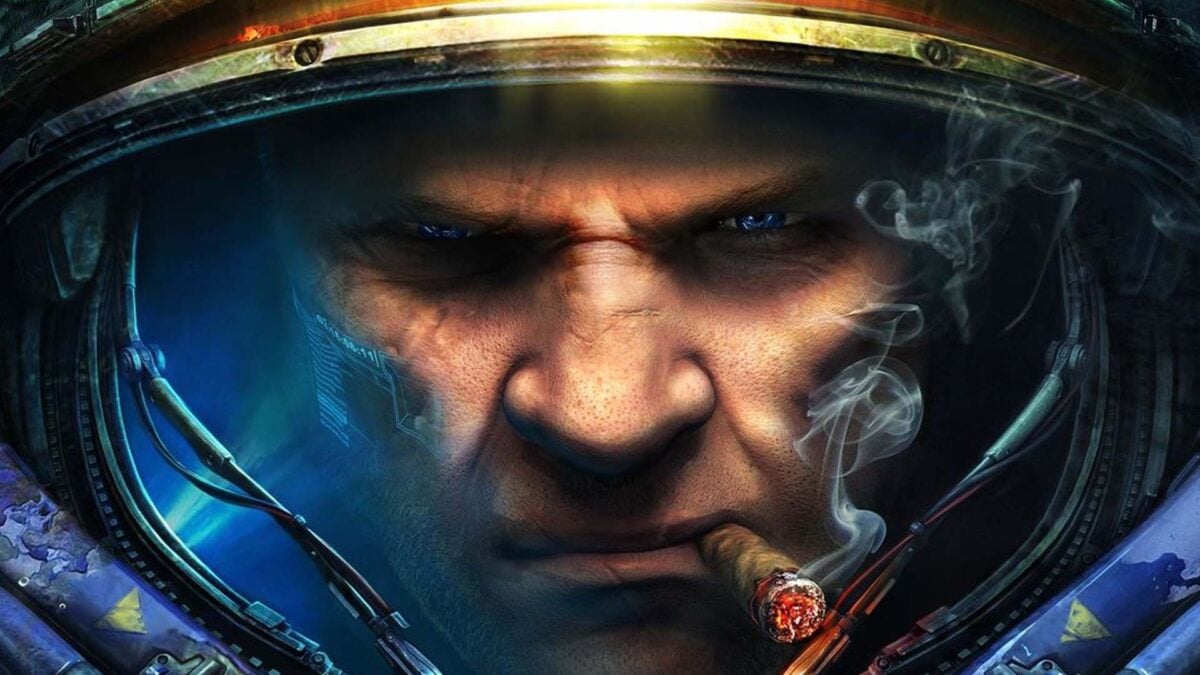
Nexon, the Seoul-based publisher behind Arc Raiders, is negotiating with Blizzard Entertainment to license the StarCraft intellectual property. According to a report in South Korea’s Chosun Ilbo, a contract is close to finalization. The news landed with a quiet thud in the West but carries weight far beyond a simple licensing deal.
This isn’t Nexon chasing nostalgia. It’s a calculated entry into a market where Korean publishers have historically ceded creative control over iconic Western franchises. StarCraft—released in 1998—remains a cultural touchstone in Korea, still ranking in the top 10 most-played games in internet cafés. Nexon sees an opportunity to monetize that enduring fandom while positioning itself as a global steward of legacy IP.
What makes this story more than a press-release-level acquisition is the context surrounding it. The gaming industry is in the midst of a broader consolidation wave, with Activision Blizzard now under the Microsoft umbrella, Nintendo acquiring parts of Rare and other studios, and Sony restructuring its first-party divisions. In this climate, legacy IP has become one of the few reliable assets companies can leverage against market volatility. Nexon is reading the room correctly.
Why Nexon Wants StarCraft
Nexon’s motive is twofold: revenue and reputation. The Korean publisher has built a formidable portfolio with titles like MapleStory, Lost Ark, and The First Descendant. But its roster lacks a franchise with the historical gravitas of StarCraft. Acquiring the rights would bridge that gap, lending Nexon credibility in the Western market and expanding its reach into real-time strategy (RTS), a genre Blizzard pioneered and that has seen little major innovation since StarCraft II in 2010.
The timing is no accident. StarCraft’s 30th anniversary approaches, and fan demand for a new entry has simmered for years. Nexon’s CEO Junghun Lee has publicly championed generative AI as a tool to improve production efficiency—a stance that may align with Blizzard’s desire to reduce development costs and timelines. However, it also risks alienating a community wary of AI-generated content in beloved franchises.
There is also a less discussed but significant factor: Nexon’s domestic market is saturated. Mobile gaming dominates South Korea, and the publisher already holds market-leading positions in several genres. Growth increasingly depends on breaking into Western audiences, and few IPs carry the kind of built-in recognition that StarCraft does. A successful StarCraft title from a Korean studio would serve as a proof of concept—not just for Nexon, but for the broader Korean publishing ecosystem looking to translate their expertise into Western-owned IP.
What It Signals for Korean Publishers
Nexon’s bid reflects a broader trend: Korean publishers are increasingly confident in adapting and reviving Western IP. This shift mirrors the growing economic and cultural influence of Korea’s gaming sector, which now rivals that of the United States and Japan. Companies like Nexon, Pearl Abyss, and Smilegate are not just developing original hits; they’re stepping into roles previously reserved for Western studios.
The implications extend beyond business metrics. When a Korean publisher takes the reins of a Western franchise, it brings a different design philosophy—one shaped by live-service models, gacha mechanics, and regional playtesting. How Nexon interprets StarCraft will reveal whether it aims to honor the source material or reimagine it for a modern, global audience.
This is not without precedent. Korean studios have already demonstrated competence in managing Western IP—Pearl Abyss’s work on Black Desert spin-offs, Smilegate’s involvement with CrossFire expansions, and even NCSoft’s management of Guild Wars territory all point to a growing comfort level. But StarCraft sits at a different altitude entirely. It is one of the most recognized gaming franchises in history, with a competitive scene that still draws tens of thousands to arenas worldwide. How Nexon handles that weight will set a benchmark.
Second-order effects are already visible. Western publishers who have long been cautious about handing IP to Korean studios may now reassess their positions. If Nexon succeeds with StarCraft, other Korean publishers will press harder for similar deals. If it stumbles, Western licensors will tighten their terms. The industry is watching both outcomes closely.
Blizzard’s Calculus: Control vs. Opportunity
For Blizzard, the deal offers a low-risk path to revitalize StarCraft. The company has historically guarded its IP closely, but financial pressures and shifting market dynamics may make licensing more attractive. By partnering with Nexon, Blizzard can generate royalty revenue without shouldering the full cost and risk of development. It also allows Blizzard to focus on its own StarCraft spin-off—a reportedly open-world shooter slated for potential preview at BlizzCon 2026.
Yet ceding control carries peril. Blizzard must navigate questions of creative oversight, quality assurance, and brand alignment. Reports suggest Blizzard may insist on stipulations barring generative AI in Nexon’s development pipeline—a concession that would address community concerns but could clash with Nexon’s stated efficiency goals. The negotiation will reveal how much leverage Blizzard still holds over its most iconic franchises.
There is also a strategic layer many observers miss. Microsoft’s acquisition of Activision Blizzard created internal pressure to maximize the value of every IP in the portfolio. A licensing deal with Nexon generates immediate revenue without diverting internal engineering resources. Meanwhile, Blizzard can pursue its own StarCraft project with clearer focus. The arrangement could work as a division of labor: Nexon handles a multiplayer or service-oriented StarCraft experience, while Blizzard develops something more narrative-driven. Or it could create tension if both projects target the same audience.
Two StarCraft Games? A Franchise Reimagined
If both projects proceed, players could see two distinct StarCraft experiences: Nexon’s licensed title and Blizzard’s internal spin-off. Their coexistence might divide or complement each other, depending on scope and audience. Nexon’s version could lean into multiplayer-focused, service-oriented design, while Blizzard’s might emphasize narrative-driven, single-player or co-op gameplay. Such a split would echo the franchise’s own lore—pitting Terran, Zerg, and Protoss against each other in a new kind of conflict.
This dual-track approach is not unprecedented in gaming. Warcraft and Hearthstone coexist under different creative umbrellas. Call of Duty has spawned multiple internal studios producing simultaneous entries. The risk lies in cannibalization—two StarCraft titles releasing in close proximity could dilute the impact of both. The opportunity lies in audience expansion, reaching players who may have never engaged with the franchise before.
The Bigger Picture: Legacy IP in a Changing Market
This deal underscores a fundamental shift in how legacy gaming IP is valued and managed. Publishers worldwide are seeking ways to extend the lifespan of flagship franchises, often through partnerships, licensing, and reboots. Korean companies, with their deep expertise in live operations and player engagement, are well-positioned to take on such roles. Their success will depend on respecting source material while innovating for contemporary audiences.
For Nexon, StarCraft is more than a title—it’s a statement that Korean publishers are ready to lead, not just follow. For Blizzard, it’s a test of whether collaboration can breathe new life into storied worlds without sacrificing the soul that made them iconic. The outcome will ripple through the industry, influencing how Western and Eastern studios approach IP stewardship in an era of consolidation and change.
One thing is clear: the old boundaries between “Western IP” and “Eastern developer” are dissolving. Nexon’s bid signals that the next decade of gaming will be defined less by geography and more by who can deliver the best experience. StarCraft’s legacy may well be written by Seoul, not Pittsburgh.