Nintendo's Legacy IP Play Is About More Than Just Smash Bros
A prominent leaker has tipped a new Super Smash Bros. and a Nintendogs revival, pointing to a deeper Nintendo strategy of mining its own back catalog for sleeper hits. Here's what that means for the company's future.
The Leaker Gets Another One Right
Malo932 was the first to report that Nintendo was preparing two back-to-back Directs. Then came The Legend of Zelda: Ocarina of Time remake, a new Star Fox, and a Switch Sports game — all revealed weeks after the leaker posted. That track record makes the latest tips worth taking seriously: a brand-new Super Smash Bros. title and a return of Nintendogs, both apparently coming soon.
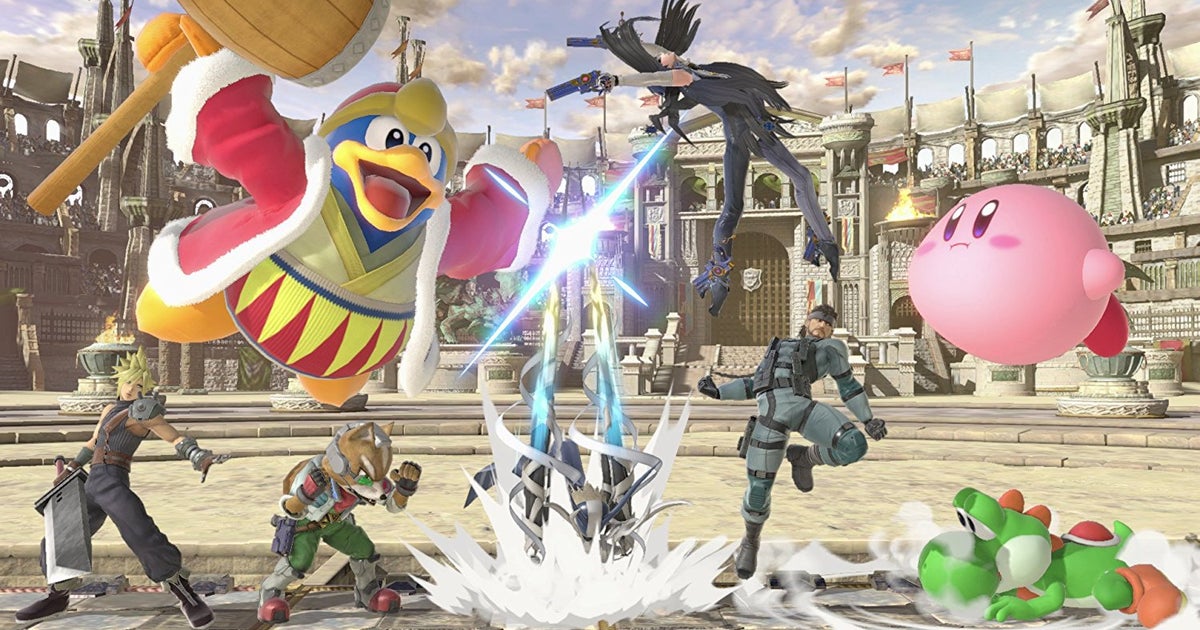
The Smash Bros. news itself is the less surprising of the two. The 2018 game remains the best-selling entry in the franchise and one of the most visible titles on the original Switch. Series director Masahiro Sakurai has kept quiet since finishing work on Kirby and the Forgotten Land last year. Fans have assumed — reasonably — that something is in the wings. What makes this leak particularly notable is the timing: with the Switch 2 looming on the horizon, a new Smash Bros. could serve as both a technical showcase and a system seller, proving the new hardware’s capabilities while delivering the party-fighting experience that has consistently drawn in both core and casual players.
But the Nintendogs tip is the more interesting signal. It arrived as a deleted YouTube comment: another “cozy weird Nintendo series is coming back, barking.” The subtext was impossible to miss. The franchise has been dormant since Nintendogs and Cats on the 3DS in 2011. It has moved more than 20 million copies across its history. Nobody is pretending the dog-sim genre was ever going to dominate the cultural conversation again. But Nintendo appears to want it back anyway.
This is not the first time Nintendo has resurrected a sleeping franchise. Animal Crossing found new life with Happy Home Designer on the 3DS before becoming a global phenomenon with New Horizons. Wii Sports served as a launch window title that defined console generation. Each revival tells a story about how Nintendo thinks about its library — not as dead IP to be exploited, but as dormant potential waiting for the right moment and hardware to reignite. The Nintendogs comment, however mundane, carries weight because it fits a pattern Nintendo has been refining for over a decade.
What This Says About Nintendo’s Strategy
Nintendo has a long history of recycling its older IP. The question lately is whether it is doing so out of necessity or by design.
Rhythm Paradise Groove made the jump from handheld oddity to full 3D release on Switch. Tomodachi Life: Living the Dream brought another niche 3DS title into the modern era. Nintendogs and Cats fits the same pattern: a quirky, hardware-specific experiment that found a devoted audience and then went cold.
This is not simply nostalgia bait. Nintendo seems to be building a lineup of familiar-but-surprising titles around the Switch 2, targeting players who want low-friction experiences between the big releases. The strategy is clear: use legacy IP to fill gaps, reduce risk, and keep the brand visible without betting everything on unproven sequels. In an industry where blockbuster development costs now routinely exceed $200 million, Nintendo’s approach represents a calculated middle ground — leveraging existing intellectual property while adding enough novelty to justify a new purchase.
The financial logic is hard to argue with. Developing a new IP from scratch is expensive and risky. Reviving an old one carries less uncertainty, especially when the mechanics are already understood by the audience. Nintendogs, for example, does not need a tutorial. Players already know what it is. They just need to know it is back. This understanding extends beyond gameplay — it covers the emotional contract between publisher and player. When Nintendo revives a franchise, it is not merely restarting a product line; it is reactivating a relationship. The dog you raised in 2011 was never forgotten. Neither was the satisfaction of watching it grow, learn tricks, and accompany you on virtual walks.
What makes this strategy particularly sophisticated is how it maps onto seasonal release patterns. A Smash Bros. entry provides summer spectacle; a Nintendogs revival offers autumn comfort. Together they create a calendar of anticipation that keeps fans engaged across hardware generations. This is not accidental scheduling — it is portfolio management applied to entertainment, ensuring that no single launch carries disproportionate risk while maximizing the chance that something will resonate with different audience segments.
Who Wins and Who Loses
Winners:
- Longtime Nintendo fans who missed the DS/3DS era and never got a chance to adopt a virtual pet. For players who grew up with Nintendogs but never experienced the sequel that was rumored but never produced, a remake represents a long-awaited completion of an interrupted narrative arc. The original game ended with a cliffhanger of sorts — you raised your dog, trained it, won competitions, but the world always felt like it was waiting for something more. A revival could provide that missing resolution.
- The Switch 2 ecosystem, which gains credibility through a steady stream of recognizable titles rather than relying solely on new IP launches. Every legacy IP addition strengthens the library gap between Nintendo and competitors, making the platform more attractive during the critical first-year window.
- Retailers and digital storefronts, because established IP moves units faster than unknown brands. A Nintendogs revival will generate instant shelf presence without marketing spend that new franchises require.
- Malo932, who continues to embarrass Nintendo’s official communications pipeline. The leaker’s accuracy suggests either insider access or an information network so deeply embedded in Nintendo’s infrastructure that official secrecy has become effectively impossible.
Losers:
- Players hoping for more ambitious new intellectual property from Nintendo. The roster of upcoming titles skews heavily toward existing brands, leaving little room for experimental projects that might define the next decade.
- Independent developers who compete for attention in the same space. A Nintendogs revival will draw eyes away from smaller dog-sim or cozy-game releases. The indie scene has built its own version of these experiences, and major publisher interest risks crowding out the very creativity that made the genre attractive.
- Anyone expecting a simple Ultimate port. The leaker has already cautioned that the new Smash Bros. is not an expanded re-release. That means Sakurai is building something new, which could disappoint players hoping for an easy upgrade path. The fighting game community, in particular, may find themselves waiting longer than expected.
The Timing Is Not Accidental
Leaks like this tend to surface weeks before official announcements. Nintendo’s communication strategy has shifted toward controlled reveals, often timed to align with hardware launches or major events. The leaker’s track record suggests these details are not guesses — they are glimpses into internal roadmaps that Nintendo has not yet disclosed publicly.
The fact that Nintendogs and Smash Bros. appear in the same leak cycle is notable. Both titles serve as anchor releases that can sustain interest during transition periods. The Switch 2 is approaching. Nintendo needs titles that will sell on day one and keep the conversation alive while it ramps up first-party support for the new hardware. A Smash Bros. entry provides competitive credibility; a Nintendogs revival provides emotional appeal. Together they demonstrate the hardware’s versatility — capable of delivering both high-energy spectacle and quiet domestic simulation.
This dual strategy also addresses a fundamental challenge facing legacy hardware manufacturers: how to maintain relevance across generational transitions without alienating existing customers. By announcing both a new Smash Bros. and a Nintendogs revival simultaneously, Nintendo signals that its library is not abandoned — it is evolving. The messages are clear and complementary. First-party investment is ongoing; historical IP is being respected rather than retired.
What Comes Next
If the leaker is correct, the next few months will see a series of announcements that reinforce Nintendo’s reliance on its own library. A new Smash Bros. will command immediate attention. A Nintendogs revival will generate a quieter but steady buzz. Both fit the current strategy: minimize risk, maximize reach.
The broader implication is that Nintendo is comfortable with being nostalgic. It has spent years building a brand identity around accessibility and familiarity. Every legacy IP revival strengthens that positioning. The risk is that the strategy becomes too comfortable — that Nintendo stops taking creative risks with new franchises and settles into a cycle of remakes and revivals. We have seen this pattern before: Sega’s reliance on Sonic during the Dreamcast era, Konami’s gradual withdrawal from console development. Comfort is the enemy of innovation, and Nintendo’s current success could become its future constraint.
Yet there is reason for optimism. Nintendo has repeatedly demonstrated an ability to surprise even when expectations suggest stagnation. The Wii proved that casual gaming could be mainstream. The Switch proved that portability and home console experience could coexist. Each hardware cycle has been accompanied by IP decisions that surprised observers — sometimes with remakes (Paper Mario: The Thousand-Year Door), sometimes with sequels to forgotten franchises (Metroid Prime 4). The current wave of legacy IP revivals may represent not the end of creativity, but its consolidation — a period of strengthening foundations before the next leap.
For now, the evidence suggests Nintendo is using its past to fund its future. The question is whether that approach will keep surprising players, or simply keep them predictable. Nintendogs is barking again. Whether it will howl at a new moon or simply echo old songs remains to be seen.