Nintendo's Twin Directs Signal a Major Switch 2 Push
Nintendo is staging two consecutive nights of Directs — a Zelda 40th anniversary special followed by a regular show — a move Japanese outlets call unprecedented. What's driving the scheduling, and what's at stake for the Switch 2?
Two nights. One publisher. No precedent.
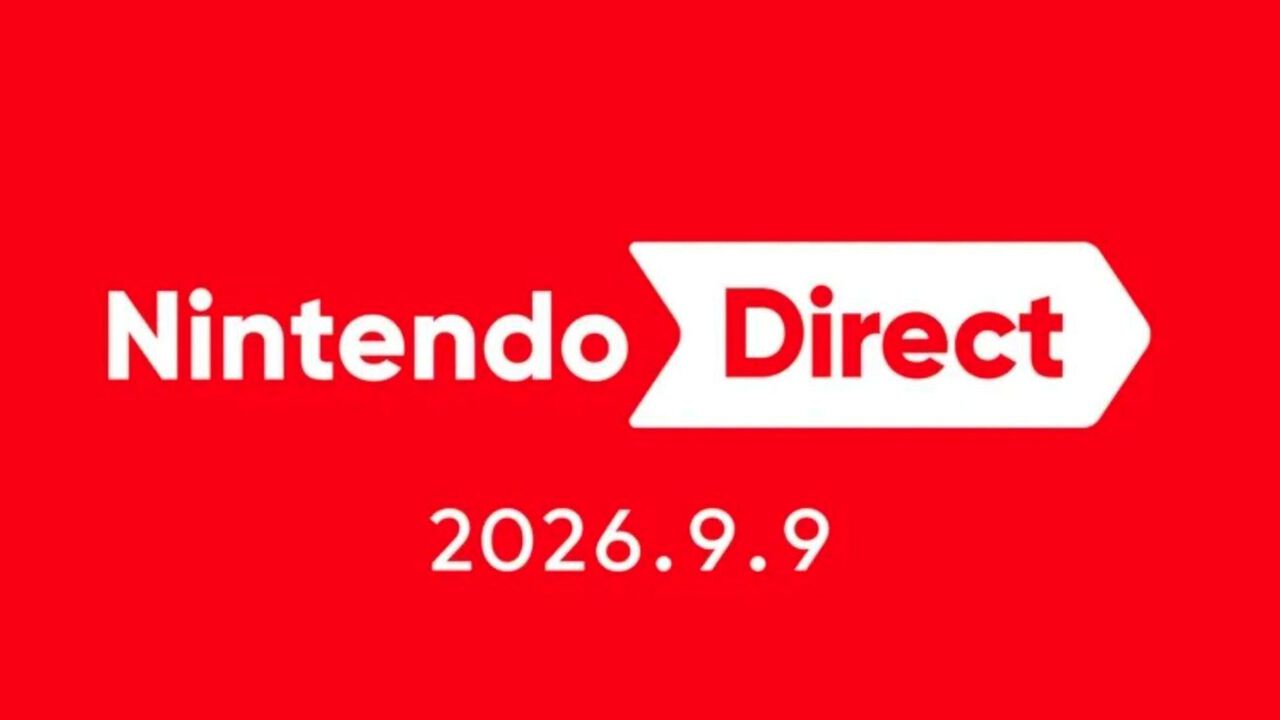
Nintendo has done something the Japanese press is already calling unprecedented: two consecutive Nintendo Direct broadcasts, starting Sept. 8 and running through Sept. 9. The first is the “The Legend of Zelda” 40th Anniversary Direct, a 30-minute special. The second is the regular Nintendo Direct, roughly 45 minutes. Both stream at 11 p.m. Japan time via YouTube and the Nintendo Today! app.
Western desks will likely treat this as a scheduling quirk. It is not. The structure tells you exactly what Nintendo thinks it has to sell — and how urgently.
Why two nights instead of one
A single 75-minute Direct could have covered everything. Splitting it across two nights forces the conversation to stretch over a full weekend, which means more coverage cycles, more social chatter, and crucially, two different audience pools. The Zelda anniversary draw catches lapsed fans and older gamers who might not stay up for a third-quarter hardware deep dive. The regular Direct then captures the core audience still hungry for Switch 2 roadmap.
It is a classic content-division strategy, and Nintendo has never played this game before. The fact that Famitsu flagged it as notable before Western wires caught on signals how unusual the split really is. In the 14-year history of the Nintendo Direct format, no publisher has ever staged back-to-back evenings under a single branding umbrella. This is not a rerun, not a regional variant — it is two distinct broadcasts with different thematic framing, separate runtimes, and presumably separate content.
The business logic is clear. Each night generates its own engagement curve, its own trending window, its own opportunity for clip circulation. A 75-minute monolithic broadcast compresses everything into a single attention spike. Two nights create two spikes with a recovery period in between, extending the effective marketing half-life by roughly 48 hours. For a company managing a fragile platform transition, that extra runway is not cosmetic — it is operational.
What the timing reveals
The last Nintendo Direct landed June 9, 2026 — exactly three months ago. That gap is deliberate. September sits in Nintendo’s traditional second-half push window, the period when the company historically lands its biggest software and platform announcements. The Zelda anniversary gives the company cover to build goodwill before the harder sells.
This is also the first post-IWata era Nintendo that has mastered the Direct as a format. Since the first broadcast in October 2011, the Direct has become Nintendo’s primary communication channel, deliberately bypassing traditional gaming media. The host-director pose, the unfiltered developer interviews — these are now institutionally embedded. Two back-to-back nights of it is the format’s natural evolution: more real estate, more control, less need to share the stage with any outlet.
The 40th anniversary framing is itself a signal. Nintendo could have skipped the milestone entirely and gone straight to Switch 2 substance. Instead, it chose to wrap the hardware push in nostalgia. That tells you the company sees a credibility gap it needs to bridge before asking consumers to commit to a new system. The anniversary direct is the velvet rope; the regular direct is the actual event.
The Switch 2 question
Everyone watching will be asking the same thing: what is coming for Switch 2?
The console launched to strong demand but faces the same software-chicken problem that haunts every new platform. Third-party support remains thin. First-party releases are the anchor. A September Direct in 2026 would most likely contain either a major first-party title reveal or a hardware refresh — possibly both. The 45-minute regular Direct slot gives enough runway for one or two substantial announcements, which is the minimum volume needed to shift retail conversation.
Famitsu’s coverage suggests Japanese insiders expect something significant. Whether that is a new Zelda entry, a Mario spinoff, or a Switch 2 system update remains unclear. What is certain is that Nintendo does not stage two consecutive nights without a heavy payload waiting in the wings.
Second-order effects matter here. If Nintendo reveals a new Zelda title on Switch 2, it simultaneously solves the chicken-and-egg problem for third parties and gives lapsed Switch owners a concrete reason to upgrade. If it reveals a hardware refresh — a cheaper model, a OLED-tier variant, or peripheral ecosystem expansion — it signals that the company is thinking beyond launch-window software and planning for the mid-cycle. Either move changes the market dynamic. Neither move is minor.
Who wins and who loses
Nintendo wins by fragmenting the event into two shareable moments. Each night becomes its own content cycle, extending the marketing runway and giving competing outlets two separate deadlines to cover.
Traditional gaming media loses slightly — there is less room for deep-dive analysis when the company controls the entire broadcast. Regrabbing the narrative from a single 75-minute sprint to two compressed shows makes follow-up reporting more reactive. By the time journalists have parsed the anniversary direct, the regular direct is already airing. The coverage gap narrows to nearly nothing.
Consumers win on access. Two nights mean two chances to watch, two opportunities to catch announcements that might otherwise be buried in a longer stream. The Zelda fan who misses the anniversary show still gets the regular Direct the next evening. Streaming availability on YouTube and the Nintendo Today! app further reduces friction compared to traditional televised events.
Third-party publishers lose the most. A single Direct gives them one window to piggyback on news cycles. Two nights, each with its own thematic focus, effectively doubles the barrier to entry for any outside voice trying to insert itself into the conversation. Nintendo is not just controlling its narrative — it is building a moat around it.
What happens next
The Sept. 8 announcement window is tight. Nintendo has not released a detailed agenda, only the runtime and platform. Expect heavy speculation leading up to the broadcasts, particularly around whether a new Zelda title is confirmed or whether Switch 2 accessories and pricing updates are on deck.
The real test comes after the Directs close. If the company delivers substantive hardware roadmap content rather than a pair of game reveals, the Switch 2 momentum question will shift from optimistic to skeptical. If it lands both — a Zelda title and a Switch 2 update — the next six months look very different for the platform’s trajectory.
Watch for what stays unsaid. Nintendo has built a reputation for strategic silence, and the twin-direct format gives it twice the opportunity to tease without confirming. A trailer without a release date, a character reveal without a platform tag, a runtime that feels intentionally truncated — these are all signals worth reading.
For now, the Japanese press is treating this split as a signal. The two-night Direct structure itself is the first data point: Nintendo believes it has something major enough to warrant twice the real estate. That belief, more than any headline, is worth watching. The broadcasts are simply the moment that belief becomes public.