North Korea Revives Loudspeaker Warfare as Border Tensions Surge
North Korea is reviving Cold War-era loudspeaker propaganda along the heavily fortified border with South Korea, escalating tensions after land mine blasts injured three soldiers and signaling Pyongyang's hardening stance amid a diplomatic stalemate.
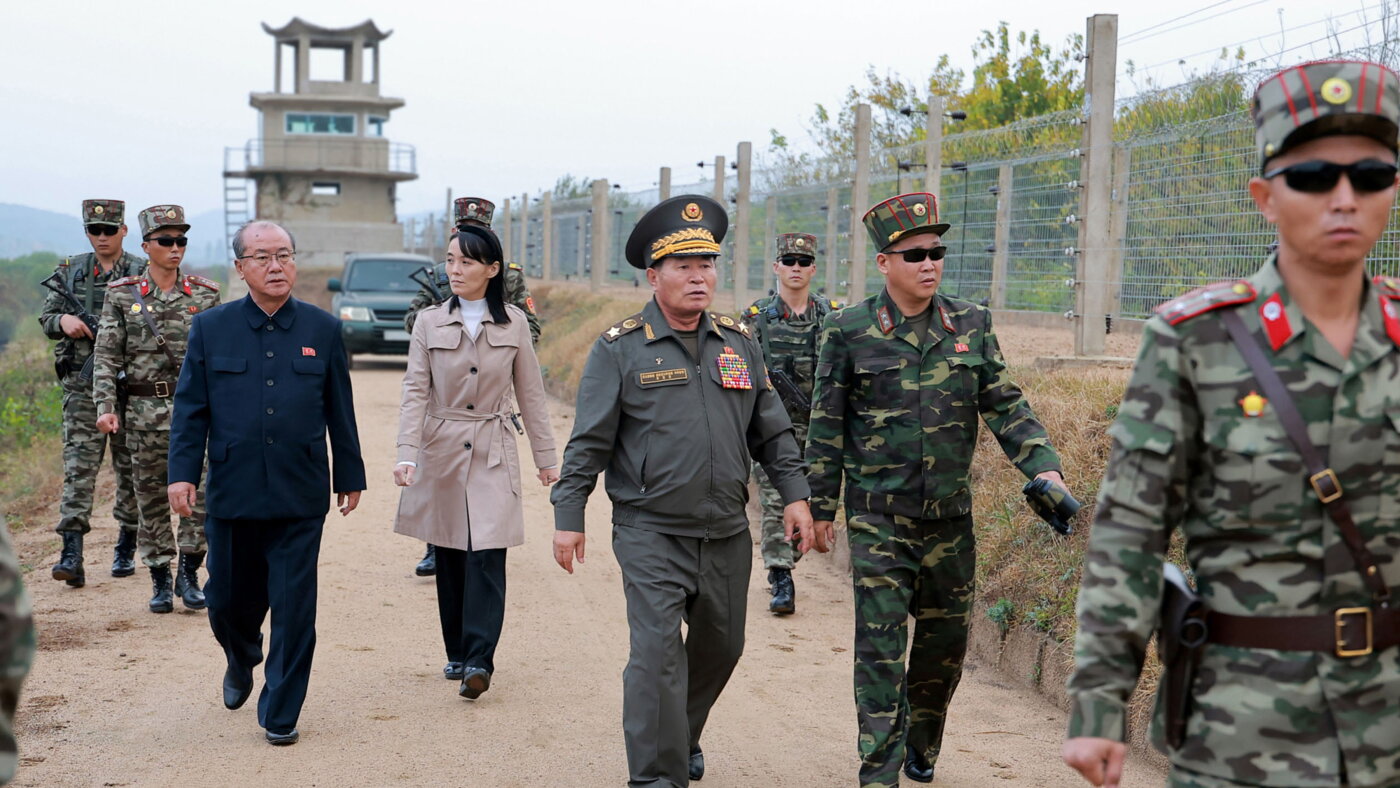
The Loudspeakers Are Back — and So Is the Message
North Korea is turning on its propaganda loudspeakers again. Kim Yo Jong, the sister of leader Kim Jong Un and one of the regime’s most consequential behind-the-scenes operators, announced Wednesday that the devices would be operational along the entire border with South Korea within October. It is a deliberate throwback to Cold War psychological warfare — and a signal that Pyongyang has no intention of easing the pressure on its southern neighbor.
The timing is the story. The announcement came barely weeks after land mine blasts on September 21 injured three South Korean front-line soldiers, an incident that Seoul has blamed on North Korean planting and that Pyongyang has denied responsibility for. Both sides have since been reinforcing the border with mines, barbed wire, anti-tank barriers, and what Kim Yo Jong called a “sacred and great undertaking.” The loudspeaker campaign is the newest instrument in a broader hardening of posture that has unfolded over months, not days.
Who Is Speaking, and Why It Matters
Kim Yo Jong’s role deserves attention beyond the obvious reading of her as a family insider. She has emerged as Kim Jong Un’s principal voice on Washington and Seoul, effectively functioning as a surrogate spokesperson with direct line to strategic decision-making. Her border visit, conducted alongside Marshal Pak Jong Chon — one of the regime’s top military figures — carried the weight of coordinated civil-military messaging. She told soldiers their leader’s order was to make the border “eternally impregnable,” framing fortification work as a national mission rather than a defensive necessity.
The state-run Korean Central News Agency first reported the visit as taking place Tuesday, then corrected it to Wednesday. That kind of correction is unusual and suggests either administrative disorganization or a calculated effort to control the narrative timeline. Independent journalists were not granted access to the event, leaving the exact details unverifiable. What is clear is that the North Korean leadership is investing significant political capital in projecting strength along the border at a moment when diplomacy with the United States remains stalled and relations with Seoul have deteriorated to their lowest point in years.
The Mine Blasts and the Escalation Ladder
The land mine incidents represent a shift in tactics that deserves closer examination. While both Koreas have long deployed mines along the border, the September blasts that wounded three South Korean soldiers mark a departure from the mostly symbolic use of explosives in recent decades. South Korea’s Joint Chiefs of Staff chairman, Jin Yong-Sung, called Kim Yo Jong’s threats “intolerable” and ordered the military to “sternly respond” to potential provocations. Seoul has formally blamed the North through a U.S.-led United Nations Command inspection and demanded an apology and clearance of remaining mines. Pyongyang has refused both requests and warned of retaliation.
North Korean soldiers have crossed the military demarcation line 50 times this year during fortification work, according to South Korea’s military. Seoul has responded with warning shots and its own broadcasts. Pak Jong Chon dismissed these claims as “deliberate, premeditated and absurd,” insisting that “our army knows where our borderline is better than any others.” The competing narratives leave little room for de-escalation and increase the risk of miscalculation.
A Policy Reversal With Domestic and External Audiences
South Korea’s liberal government, led by President Lee Jae Myung, had halted its own loudspeaker broadcasts after taking office, viewing the pause as a confidence-building measure to improve relations with the North. The reversal — both sides now broadcasting again — signals that the conciliation approach has effectively ended. Pyongyang’s restoration of its campaign is a direct repudiation of that strategy and an indication that Kim Jong Un has concluded that showing weakness invites further pressure rather than rewarding it.
The broadcasts serve multiple audiences simultaneously. Domestically, they reinforce the narrative of an external threat justifying strict discipline and military readiness. To South Koreans, they are a reminder that the North remains hostile and that the liberal government’s overtures achieved nothing. To Washington, they signal that Pyongyang is willing to escalate on its own terms even as nuclear negotiations with the United States remain frozen. And to other regional actors, they demonstrate that Korea remains the most militarized border in the world and that tensions can deteriorate quickly.
What Comes Next
The immediate trajectory points toward a cycle of tit-for-tat escalation. South Korea’s Defense Ministry spokesperson Chung Binna said Seoul would take “proportionate measures” in response to North Korean moves but offered no specifics. Historical precedent suggests those measures could include restarting South Korean broadcasts, increased military exercises, or additional warnings shots. Each action risks prompting a sharper North Korean response, creating a feedback loop that could spiral beyond the border area.
The longer-term implication is that the Korean peninsula is entering a phase of managed confrontation rather than gradual rapprochement. Kim Jong Un has declared South Korea his most hostile adversary and permanently severed diplomatic and cooperative ties. The loudspeaker revival fits into that framework — it is one tool among many for maintaining pressure without crossing the threshold into outright conflict. Pyongyang appears to be testing how far it can push before Seoul or Washington forces a recalibration.
Washington’s role is critical but constrained. The United States is committed to South Korea’s defense under a mutual security treaty, but it has shown limited appetite for direct engagement with North Korea on nuclear issues. The UN Command’s involvement in the border inspection underscores the American footprint, yet the United States is unlikely to offer concessions that would change Pyongyang’s calculus. That means Seoul bears the brunt of managing day-to-day tensions while allied diplomacy remains in neutral.
For now, the loudspeakers will hum across the border, carrying music, speeches, and whatever messages Kim Yo Jong’s team decides to broadcast. The sound is old — its roots stretch back to the Korean War and the decades that followed — but its meaning is current. It tells a regime confident enough in its survival to reopen a channel of hostility, and a neighborhood that may be settling into a new normal of heightened alert.
The question is not whether the broadcasts will continue. They will. The question is what happens when the next explosion — literal or metaphorical — interrupts the noise.