The Nvidia Scandal Is Rewiring US Chip Export Controls
Congress is moving toward tighter chip export rules after revelations about Jensen Huang. The push has bipartisan momentum and could reshape semiconductor supply chains across Asia.
The Loophole Is Closing
A bipartisan coalition in Congress is converging on tighter controls for advanced chip exports to China, and the scandal that lit the fuse may not matter as much as the political timing. Jensen Huang’s alleged affair with an intelligence asset sounds like tabloid fare until you realize it triggered a national security review of $4 billion in chip sales routed through a Singapore front company called Megaspeed. That’s the concrete detail English-language coverage often skips: the money, the intermediary, the diversion pathway.
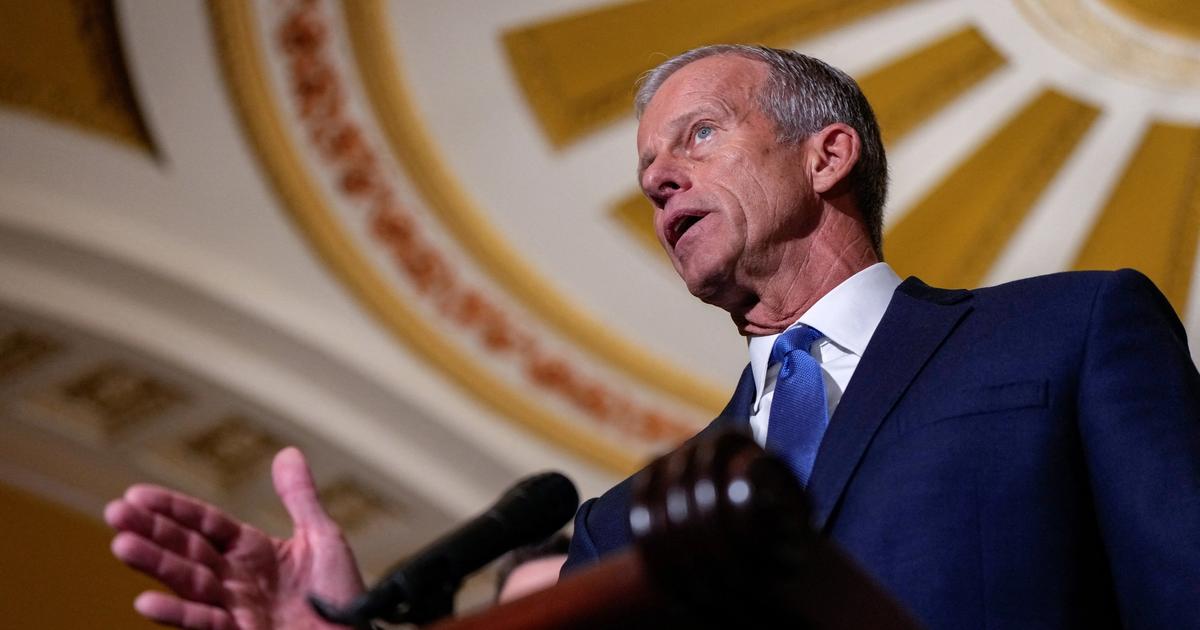
Senate Majority Leader John Thune told Semafor there is a “high probability” restrictions land by year’s end. Three separate bills are attached to this year’s National Defense Authorization Act — the Chip Security Act, the MATCH Act, and the AI Overwatch Act. None have a final deal yet, but the trajectory is clear enough to track the winners and losers before the ink dries.
Who This Hits in Asia
The first question isn’t whether this passes; it’s where the restricted chips end up and who benefits from the rerouting.
Samsung and SK Hynix already manufacture cutting-edge memory at facilities in Korea and elsewhere in East Asia. Both companies have been accused in prior years of diverting products or equipment to Chinese clients through complex middlemen. Stricter end-use verification — the central mechanism of the Chip Security Act — makes that harder. It also raises the compliance burden on every third-country distributor who currently acts as a buffer between American chipmakers and Asian fabs.
Megaspeed’s existence proves the buffer model works when oversight is thin. The new proposals treat chip sales more like arms deals under the AI Overwatch Act, which would force Commerce Department licensing decisions into a congressional oversight framework. That alone changes the risk calculus for any South Korean or Taiwanese firm selling Nvidia-class hardware through Singapore, Malaysia, or Vietnam.
The second-order hit lands on companies like Huawei and its supply chain partners. China’s domestic AI chip industry, led by Huawei’s Ascend line and a cohort of startups, has long relied on indirect access to frontier GPUs through Southeast Asian intermediaries. The MATCH Act specifically targets loopholes around chipmaking equipment exported to allied countries. If that closes, China loses not just the chips but the tools to replicate them faster.
Why This Year Lands Differently
Last year’s fight over the GAIN AI Act — an early version of the AI Overwatch Act — shows why timing matters. It passed the Senate, got dropped from the House after pressure from Nvidia, the broader semiconductor trade group ITIC, and the White House, including then-AI adviser David Sacks. Congress included weaker investment controls instead. The industry won that round.
This time, the math shifted. Antropic has publicly backed all three bills. OpenAI warmed up to them after initial hesitation. The GOP leadership — Speaker Mike Johnson and Senator Roger Wicker both flagging urgency — no longer sees export restriction as a partisan liability. Even Senator Mike Rounds noted “strong demand” for controls regardless of which specific bill makes the cut.
The scandal didn’t create the policy impulse, which had building pressure since at least 2023. But it gave Republicans cover. Senator John Kennedy put it bluntly: “I understand people have affairs but if you’re going to do it, try not to have an affair with a Chinese spy.” That kind of framing turns a corporate compliance failure into a national security vote-able issue.
The Political Fault Line
The NDAA itself faces a threat unrelated to chips. Democratic leaders want provisions sunsetting US involvement in Iran attached to the must-pass defense bill, using it as leverage against President Donald Trump. House Armed Services incoming chair Adam Smith said Democrats have leverage and pointed to December appropriations deadlines. If those provisions derail the entire bill, the chip controls die with it — unless Congress patches them through another vehicle.
That risk cuts both ways. Democrats control neither chamber currently, but they take over the House and Senate next year. Pushing too hard on Iran now could sink a defense bill that includes export controls they want. Waiting gives them cleaner leverage later, but it also lets the current Republican-backed version of the NDAA pass without their priorities. Either path reshapes what gets written into law.
What Comes Next
Three concrete scenarios are plausible:
All three bills survive into the final NDAA text and become law by December. End-use tracking becomes mandatory. Compliance costs rise across the Asian semiconductor distribution chain. Firms that rely on third-country routing lose a key advantage.
Only one survives — likely the Chip Security Act, which has the narrowest definition and the fewest industry adversaries. Partial control tightens the most visible loophole without restructuring the entire licensing regime.
The NDAA fails or stalls on the Iran provision, and controls get folded into a separate spending package or an emergency Commerce Department rule. Faster on paper, messier in practice, and easier to challenge in court.
The Bloomberg Intelligence number that matters most right now isn’t the $4 billion in disputed chips — it’s how many new license applications Commerce will receive from Asian distributors once the Overwatch framework activates. Every application is a friction point. Friction slows the flow of technology and reshapes pricing.
China will adapt. It always does. But the speed of adaptation depends on whether the loophole closures target the equipment that builds chips as aggressively as the chips themselves. The MATCH Act suggests lawmakers are starting to think that way.
The scandal was the spark. The real story is the institutional shift — from industry lobbying power to congressional oversight — that it unlocked.