NYC Bans Student AI Through 8th Grade — A Signal to the World
New York City is imposing the nation's strictest student AI ban through eighth grade, capping screen time and removing the technology from grading, counseling, and special education. The move could reshape how schools worldwide approach classroom AI — and which countries are already doing it differently.
A Line Drawn in the Sand
New York City just became the largest school system in the United States to outright prohibit student access to generative AI through eighth grade. Nearly 600,000 public school students will enter the upcoming academic year without chatbots, AI tutors, or any approved AI-powered instructional tool in the classroom. High schoolers get restricted access instead — a half-measure that signals the administration sees AI as a tool to approach cautiously, not an inevitability to embrace.
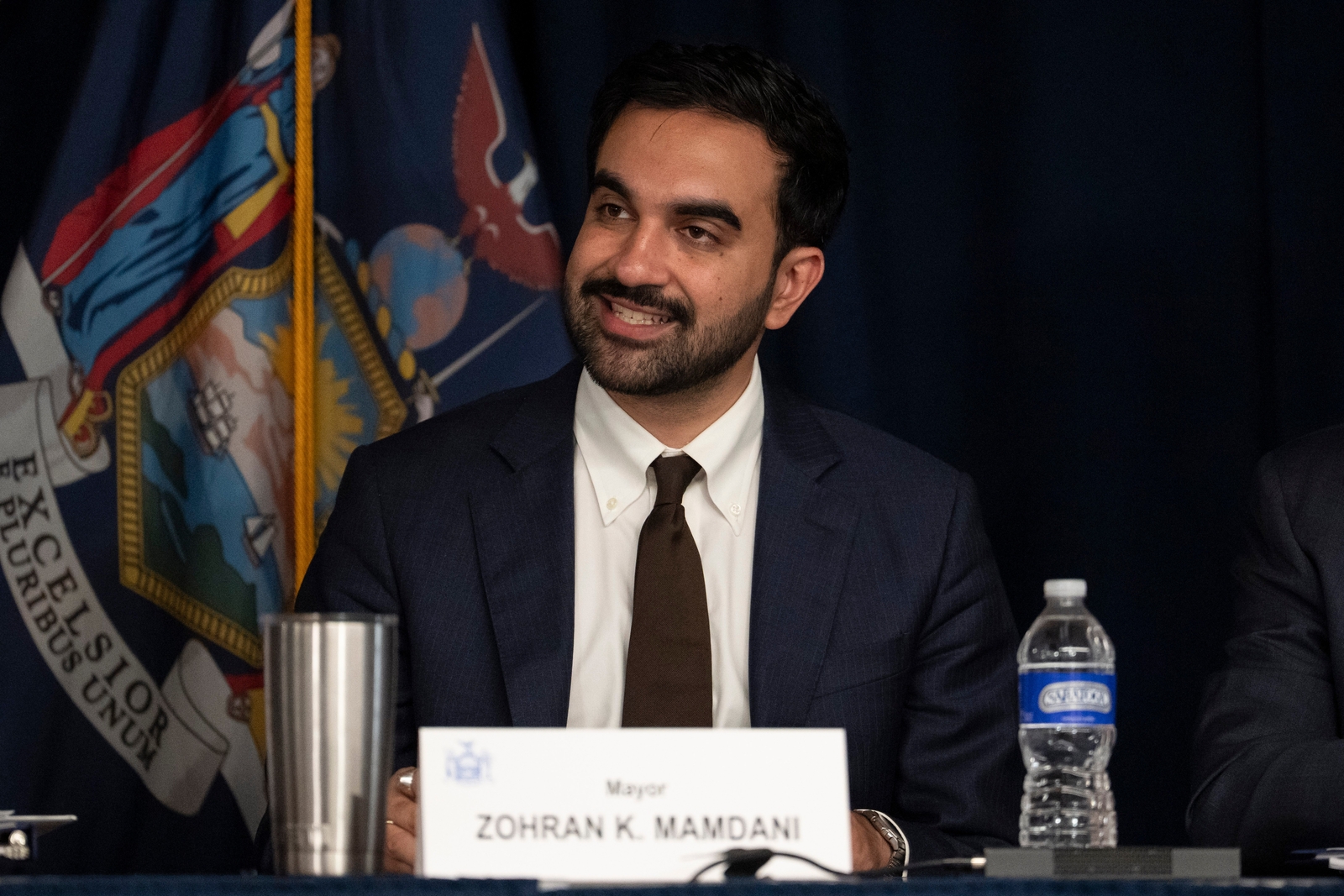
Mayor Zohran Mamdani and Schools Chancellor Kamar Samuels are set to announce the policy Wednesday at the Brooklyn STEAM Center, just days before the September 10 school year begins. The announcement follows months of parental anxiety, a City Council letter from more than half its members urging a halt to expanded AI use, and a quietJuly directive telling principals to pause all software purchases while the policy was finalized.
But the policy’s significance extends far beyond New York’s five boroughs. In a moment when every major education market is wrestling with how — and whether — to bring AI into schools, NYC’s decision draws a boundary that the rest of the world will study closely.
What the Ban Actually Looks Like
The restrictions are layered. For K–8 students, all generative AI tools are prohibited in classroom instruction. For high schoolers, officials describe permitted use as “restricted” — details尚未 fully outlined at press time, but the implication is clear: AI will be available, but behind a fence.
Screen time gets capped alongside the AI ban. Preschool through second grade receives no personal learning devices at all. Third through fifth graders are limited to 30 minutes per day on individual devices. Middle schoolers can go up to 45 minutes. The structure mirrors the logic of the city’s bell-to-bell cellphone ban that took effect last school year — reduce digital exposure at the ages when it does the most developmental harm.
There are important carve-outs for educators. Teachers may continue using approved AI tools for lesson planning, translating materials, and drafting communications. But the line is drawn sharply at the student-facing side: AI cannot be used for grading student work, monitoring behavior, counseling students in crisis, or developing special education plans. Those decisions must remain human.
UFT President Michael Mulgrew called AI “a very dangerous thing” and argued schools should avoid new products until they are properly vetted. He noted that parents are “rightfully protective” and that the union’s advocacy helped fuel the policy shift. Principals and teachers, however, said they lacked clear guidance weeks before school started — a timing problem that could create confusion in classrooms during the first critical weeks.
The Global Context Most Reports Miss
New York’s announcement dominated American headlines, but the story it should be part of is much larger: a global reckoning over what AI means for childhood learning. And on that stage, the United States is trailing.
South Korea, where AI adoption in education has been aggressively pursued, has instead responded by tightening guardrails. The government requires AI tools used in schools to undergo transparency reviews and has mandated that students be informed when AI generated content is presented to them. Japan’s Ministry of Education issued guidance in 2023 encouraging schools to develop AI use policies rather than ban them outright — a philosophy of integration with boundaries, not prohibition.
Finland, long a benchmark for education policy, has taken a notably different path. Rather than banning AI, Finnish educators have focused on teaching AI literacy as a core subject — treating the technology like any other medium students need to understand critically. Their approach assumes children will encounter AI everywhere and equips them to navigate it rather than shielding them from it.
The European Union’s AI Act, which took full effect in 2026, regulates AI systems sold in European markets but deliberately left classroom implementation to individual member states. The result has been a patchwork: some countries restricted AI in early education, others encouraged it. No EU country has matched NYC’s blanket prohibition through eighth grade.
China’s trajectory is the starkest contrast. Chinese schools have been integrating AI tutoring systems, automated grading, and behavioral monitoring tools at scale — often without the transparency requirements that US advocates are demanding. The Chinese model treats AI in education as infrastructure, not controversy.
NYC’s ban is an outlier in the American context. It is a near-unprecedented move globally.
Who Wins, Who Loses
The parents and advocacy groups behind the ban win a policy victory that validates their fears. They argued that AI-powered educational apps often resemble video games more than learning tools, that they encourage dependency over critical thinking, and that the academic value of many products was unproven. The district’s pause on software purchases and the new restrictions confirm those concerns shaped official thinking.
The ed-tech industry loses ground in the largest school district in the country. Companies that built their growth narratives around AI-powered tutoring, adaptive learning platforms, and automated grading — especially those targeting elementary and middle school markets — now face a wall in New York. That wall may spread. If other major districts adopt similar restrictions, the addressable market for student-facing AI tools shrinks significantly.
Teachers occupy an awkward middle ground. They retain the ability to use AI for administrative tasks but lost the chance to experiment with tools that some had found genuinely useful. Several teachers told ABC7 they were unclear about what the policy would allow until the announcement was made. The July directive to pause software purchases suggests the district itself was still figuring things out.
Students in the earliest grades gain the most from the screen-time restrictions. Research on early childhood digital exposure is still evolving, but the precautionary principle is clear: the younger the child, the harder it is to reverse-engineer habits formed around screen-based interaction. The 30-minute and 45-minute caps for upper elementary and middle school are arbitrary numbers — but they are also a signal that the district views unstructured device time as a problem worth managing.
What Happens Next
The policy’s real test begins the moment students walk into classrooms on September 10. Enforcement mechanisms have not been detailed. How will schools verify compliance? What happens when a middle schooler pulls up a chatbot on a personal phone? Will the restrictions hold when high schoolers begin demanding the same AI access their college-bound peers are already using?
Other districts are watching. Chicago, Los Angeles, and Boston have all been debating AI policies for their schools. A ban of this scale in the nation’s largest district provides a template — and a cautionary tale. The question for those superintendents is whether they will follow New York’s lead or chart a different course.
Internationally, the implications cut both ways. Countries that have been slow to regulate AI in education may see NYC’s ban as vindication of their caution. Countries that have been moving fast — particularly in Asia — may view it as an America-lagging example rather than a model worth emulating.
Mayor Mamdani put it plainly: “The tech industry wants us to believe that AI-powered early education is not only inevitable, but necessary. We do not see it that way.”
That sentence will be quoted in policy debates around the world for years. Whether it proves to be wisdom or overreach depends on what happens in New York’s classrooms over the next academic year — and on whether other districts dare to draw a line as bold.