The Skydance Merger Is Reshaping Hollywood's Future
David Ellison's $111 billion Skydance merger combines Paramount and Warner Bros. into a media behemoth controlling 15,000 films and major news networks. The deal forces competitors to recalibrate and raises serious questions about consolidation's impact on streaming economics, creative output, and press independence.
The Skydance Merger Changes Everything
The $111 billion deal that creates Skydance isn’t just another studio merger. It’s a structural reset of the entire entertainment ecosystem, and most coverage is still stuck on whether David Ellison is a visionary or a threat. Both frameworks miss the point.
What Skydance actually represents is a concentration of assets so large it forces every other player in global media to recalculate their position overnight. This isn’t incremental growth — it’s a reordering of the board.
Who Just Got Stronger (and Who Got Weaker)
On paper, Skydance controls two of the oldest and most valuable film libraries in history. Fifteen thousand titles. Harry Potter. The Godfather. The DC Universe. Mission Impossible. Top Gun. On television: Ted Lasso. The Daily Show. Star Trek. Looney Tunes. The streaming services Paramount+ and HBO Max. The cable networks MTV, Comedy Central, and the Food Network. And — critically — CNN and CBS News.
This is not a film company. This is a content infrastructure company with news arms attached, and that combination is what makes the deal structurally unprecedented in modern media history.
Netflix just lost the bidding war for this deal, and the implications are far deeper than a single lost transaction. The streaming landscape was already fragmenting under the weight of competing originals and rising subscriber costs. Now the largest remaining independent library sits inside a single vertically integrated conglomerate with billions in debt and a CEO who openly stated he outbid Netflix. That statement alone sends a signal through every executive suite in the industry: wealth is now the primary competitive moat, and Ellison has more of it than anyone left outside the merger.
Every other streamer is looking at a competitor that can bundle deeper, license less, and own more of its supply chain than any entity in the current market. Disney still has Marvel and Lucasfilm, but its streaming losses have forced strategic retrenchment. Apple and Amazon have deep pockets and original production arms, but neither comes close to the sheer volume of IP Skydance now controls. The gap between Skydance and the rest of the field isn’t narrowing — it just opened wider.
Even international players are reassessing. Studios in Europe and Asia that licensed Skydance-affiliated content to their own platforms now face a landlord who controls both the building and the key. The leverage shift is immediate.
The Streaming Math Changes
HBO Max and Paramount+ were already competing for the same subscription dollars in the premium streaming segment. Their merger under Skydance removes one major rival. That means fewer choices for consumers, not more — despite Ellison’s repeated claim that the deal is “pro-consumer.”
The 30-films-a-year commitment Skydance made as part of its settlement with state attorneys general sounds substantial on its face. But it’s also a floor, not a ceiling, and it’s clearly designed to placate regulators who were worried about monopoly power in theatrical distribution. Thirty films a year is roughly what a mid-tier studio produces. It’s not meaningful competition; it’s the minimum viable output to avoid antitrust intervention. What happens once that regulatory sunsets or gets renegotiated is the real question — and history suggests the floor tends to rise only when competition pressures force it.
What happens to pricing once the regulatory dust settles is the second-order effect nobody is pricing in yet. Convergence of streaming platforms historically leads to price increases, and the combined entity will carry enormous debt service obligations. The $111 billion price tag doesn’t include the ongoing $7 million per day Warner Bros. shareholder payments that were part of the deal structure. That’s roughly $2.5 billion annually in standalone cash outflows before Skydance even begins generating synergies. Someone is going to pay that back, and the most likely source is subscriber revenue growth — meaning higher prices, tighter bundles, or both.
The bundling strategy is already taking shape. Skydance can now offer packages that combine CNN access, HBO Max originals, Paramount+ theatrical releases, and live sports through CBS — something no single competitor can match in scope. That’s the real competitive weapon: not any one platform, but the ability to lock subscribers into an ecosystem they can’t easily leave.
The News Dimension Is Unusual
Most Hollywood merger coverage ignores the news component. That omission is a mistake with consequences that extend well beyond entertainment.
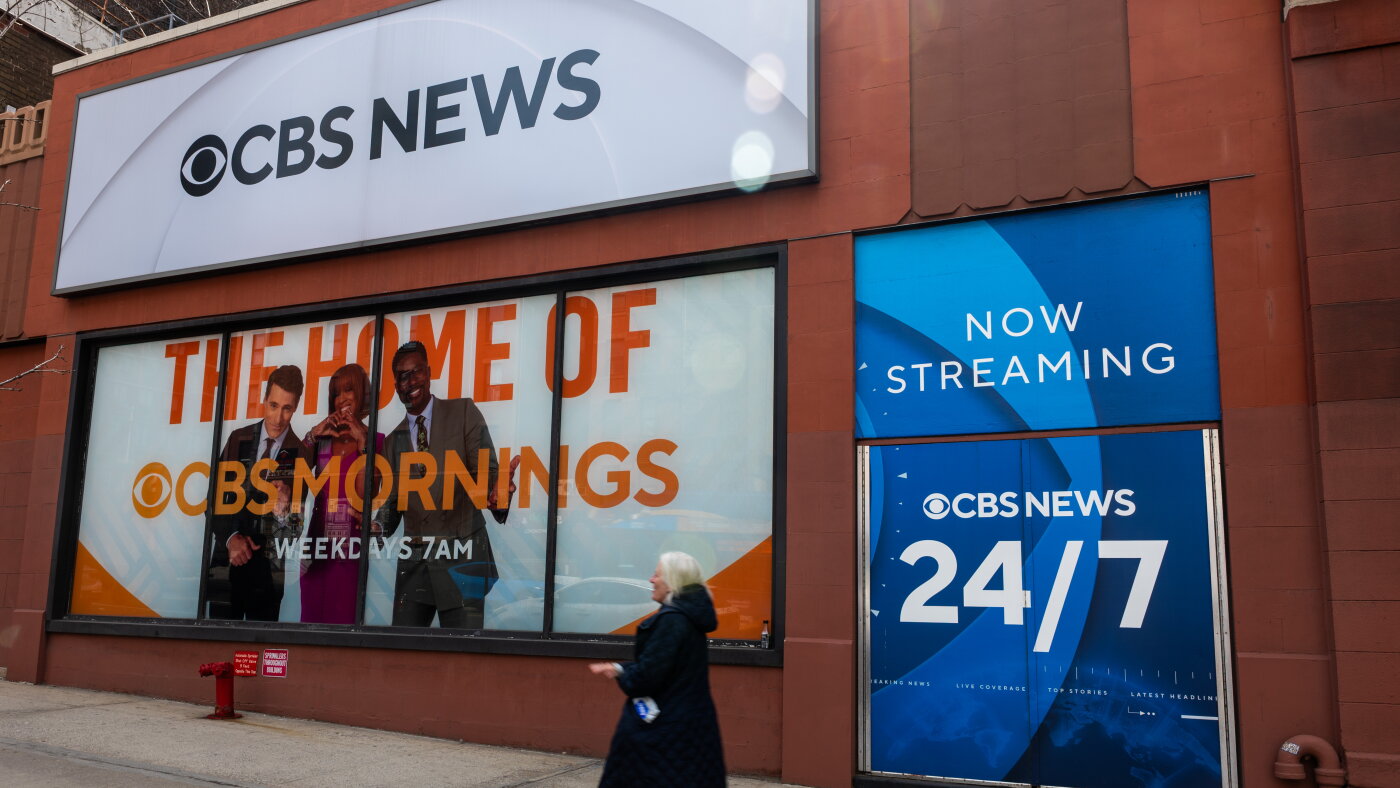
Skydance now owns CNN and CBS News. The Ellisons are publicly aligned with President Trump. The merger faced scrutiny specifically because critics feared editorial interference — and the settlement included an independent oversight board to protect CNN’s independence. Mark Thompson stays as CNN CEO. Bari Weiss stays at CBS News.
Oversight boards are meaningful only if they have teeth. The Entertainment Guild and Free Press co-CEO Jessica Gonzalez was blunt about the concern: “They are willing to use their money and power to censor the news, to tear down stories that they or the president don’t like.” Whether that fear materializes depends entirely on whether the oversight mechanism can resist political and financial pressure from the owner’s family — and financial pressure is the more immediate threat. A news division funded by a parent company that needs to protect an $111 billion asset has different incentives than one funded by a publicly traded media company with separate profit centers.
This is a case study in what happens when media consolidation reaches into journalism. The structural incentive to protect the owner’s interests is real, regardless of what the settlement paperwork says. And the second-order effect is broader than any single outlet: when one conglomerate controls major news brands alongside major entertainment brands, the line between editorial independence and corporate strategy becomes a blur that regulators have yet to define clearly.
The Creative Consequences
The departure of Michael De Luca and Pamela Abdy from Warner Bros. Pictures is the most visible personnel change, but it’s symptomatic of something larger and more durable. When two studios merge, you don’t keep both leadership teams. One goes. The creative direction of two once-independent production cultures becomes one — and the surviving culture tends to reflect the priorities of the acquiring entity.
The Writers Guild of America sued to block the merger. Their concern wasn’t abstract — it was about job concentration. Fewer studios competing for writers means less bargaining power, fewer opportunities, and more leverage for the surviving entities. The 30-film commitment helps with theatrical screenwriting, but film production is only one segment of writer employment. Television, streaming, and development deals all compress when one company controls more of the distribution pipeline. The guild’s lawsuit was dismissed, but the underlying dynamic remains: consolidation reduces the number of competitive buyers for creative labor, and that shifts the balance of power permanently.
Layoffs are, as the source notes, inevitable. Not because the deal is bad — because merger economics demand it. Duplicate departments. Redundant executive layers. Overlapping streaming platforms. The math doesn’t work any other way. Industry analysts estimate that between 15 and 20 percent of overlapping roles will be eliminated across the combined organization, with production offices in both Los Angeles and New York feeling the impact first. The human cost is real, but the corporate logic is impersonal.
What Comes Next
The tectonic shift here isn’t that one big studio appeared. It’s that the remaining competitive field just got smaller and the remaining players got more defensive. Disney will respond — likely through accelerated streaming price adjustments and selective asset divestitures to appease regulators. Apple and Amazon will respond by doubling down on exclusivity deals that Skydance can’t match, betting that prestige talent will stay independent even as the landscape contracts.
The independent production companies that used to have multiple buyers for their projects now face a landscape where the biggest buyer is also a distributor with built-in streaming channels and news operations. That’s a fundamental change in how deals get structured. The discount that independents could extract from competitive bidding is gone. So is the option to play one potential buyer against another.
The question isn’t whether Skydance will succeed. The question is what the industry looks like five years from now when the debt obligations, the streaming convergence, and the creative consolidation have all had time to play out — and whether the oversight mechanisms around news independence hold under pressure. The answer matters far beyond Hollywood. It matters for anyone who consumes media, works in creative industries, or cares about the relationship between concentrated wealth and the information ecosystem.