David Ellison Just Redefined Hollywood's New Monopoly
David Ellison's $110 billion takeover of Warner Bros. is more than a studio merger—it's a blueprint for a new era of media consolidation. Here's who wins, who loses, and what comes next.
A Merger That Rewrites the Rules
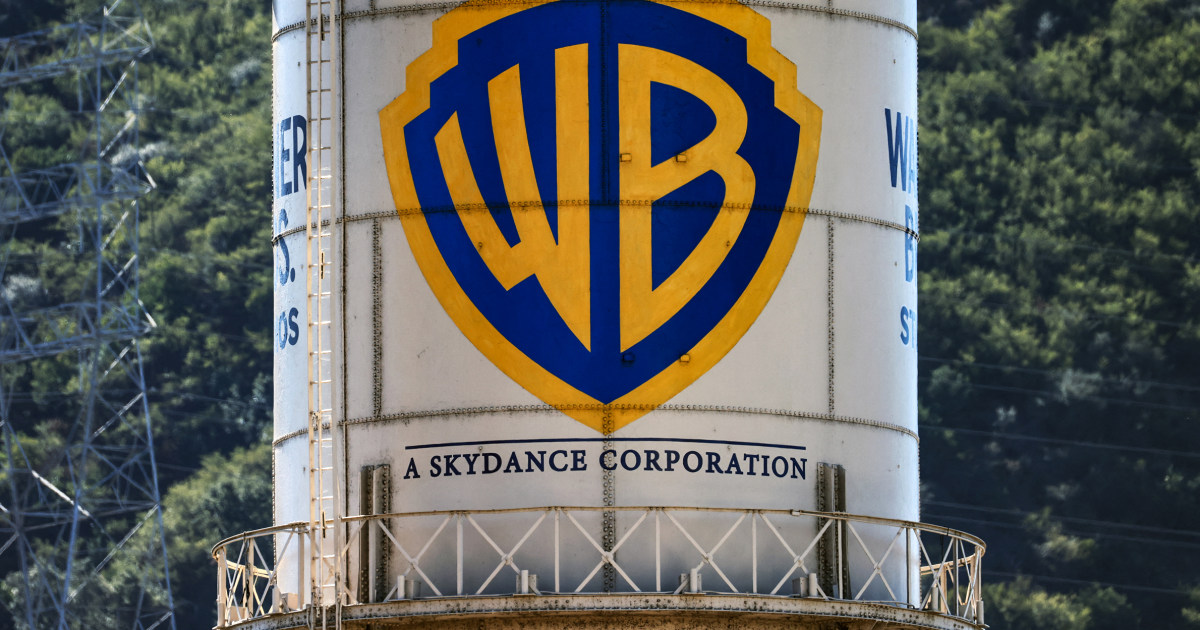
David Ellison spent nearly a year closing a deal that most people in Hollywood thought would never happen. On Tuesday, Paramount Skydance officially formed after absorbing Warner Bros. Discovery in what is now the largest media merger in history—a $110 billion transaction that reshapes everything from streaming competition to newsroom independence.
The scale alone is staggering. But the real story is what comes next.
How the Deal Almost Died
The obstacles were unusual. The Justice Department approved it. The European Commission greenlit it. Dozens of other countries gave their stamp. Then California Attorney General Rob Bonta filed a lawsuit claiming the merger would reduce competition and threaten the editorial independence of CNN.
That lawsuit looked like the most credible threat. Critics had organized. A group of actors, writers, and producers released an open letter warning that further consolidation would “threaten the sustainability of the entire creative community.” Mark Ruffalo became its most visible champion, calling the deal a symptom of billionaire oligarchs trampling everyday people’s interests.
But the legal challenge collapsed quickly. On September 21, Paramount Skydance reached a settlement with the states. The terms are specific: the company must release 30 films per year for two years, then 32 films annually for the next three—or pay a fee if it falls short. Ellison also agreed to independent editorial boards overseeing CNN and CBS News.
The Supreme Court denied an emergency request from private individuals trying to block the deal. The path was clear.
The Executive Shakeout Has Already Begun
HBO’s Casey Bloys will lead the combined streaming operation. Cindy Holland, Paramount’s streaming chief, has already announced her departure. Mike de Luca and Pam Abdy, who ran Warner’s film division, are gone. In their place: Dana Goldberg and Josh Greenstein from Paramount Pictures.
On the news side, Mark Thompson stays at CNN as chairman and editor-in-chief of CNN Worldwide. Bari Weiss continues leading CBS News as editor-in-chief. Skydance confirmed Ellison will chair the Skydance board while remaining CEO.
But the board expansion tells a different story. Alongside Ellison, the new board includes Chris Kreiz—known for cutting costs as Mattel CEO before turning Barbie into a blockbuster—media mogul Laurene Powell Jobs, and Bobby Kotick, founder and former CEO of Activision.
Kreiz’s hiring signals the direction. This isn’t a company looking to preserve legacy prestige. It’s looking to optimize.
The Layoff Question Everyone Is Avoiding
Ellison and Kreiz called this “the beginning of a new era in entertainment.” In their memo, they acknowledged that integrating two companies would bring “difficult decisions that affect our workforce.”
Translation: layoffs are coming.
J. Christopher Hamilton, a Syracuse University professor and entertainment attorney who has worked at Lionsgate and Viacom, put it plainly. “There’s reason to celebrate and be excited, but also there’s a sobering reality when layoffs start to hit people unexpectedly,” he said. “And there are fewer and fewer outlets for character-driven pieces and art-house pieces, true independent film voices getting a chance to be heard.”
Hamilton’s concern runs deeper than workforce reduction. He questioned whether Ellison’s commitment to editorial independence at CNN and CBS News would hold under pressure. “I question the sincerity and consistency when pressure mounts and it’s contrary to what they want to do,” Hamilton said, citing potential conflicts around AI regulations, labor union expectations, and diversity in storytelling. “When pressure shows up, are they really going to be fair? Or are they going to be like, ‘No, this is my ball, I control the game.’”
Those are not abstract worries. The settlement with California required structural promises—film output quotas, independent editorial boards. But those are legal constructs, not cultural ones. No court order can guarantee that a newsroom operating under cost pressure won’t quietly align with its owner’s preferences.
The Stock Market’s First Reaction
Skydance’s stock dropped 2.5% on Tuesday, closing at $9.53 per share. Markets don’t always know what to price in immediately after a deal this size. The question now is whether investors see a leaner, more efficient empire—or a bloated conglomerate about to eat itself.
Donald Trump told reporters he was “happy” about the deal closing, calling it a “great merger.” His endorsement wasn’t unexpected. The administration had been watching the regulatory process closely.
What Changes for the Industry
The immediate effects are already visible. Leadership shuffles. Exit packages. A streaming strategy being rewritten in real time. The film output commitments in the settlement give some certainty, but they also set a ceiling—30 films a year for two years is not a lot for a studio this large.
The broader implications matter more. This merger proves that even the most controversial deals can close if the right combinations of federal approval, state settlements, and political alignment exist. It also shows how quickly organized opposition can be contained when financial incentives align with regulatory compromise.
The open letter from Hollywood creatives made moral arguments about consolidation. The settlement gave critics a structural concession instead. Whether that’s sufficient depends entirely on what happens over the next three years—the period covered by the film output guarantee and the independent editorial board framework.
Ellison called this a merger that “looks forward rather than one that simply splices together the past.” The evidence so far suggests he’s right about the ambition. Whether it delivers for everyone beyond the boardroom remains an open question.
Ruffalo said the fight isn’t over. Hamilton warned about sincerity under pressure. Kreiz is already talking about difficult decisions. The next twelve months will tell us which voice is right.