The Real Battle Over Lake Ontario Isn't About a Name
Trump's attempt to rename Lake Ontario reveals how toponymy becomes a weapon of sovereignty. The Seneca Nation's response exposes who truly owns the narrative.
The Name Is the Territory
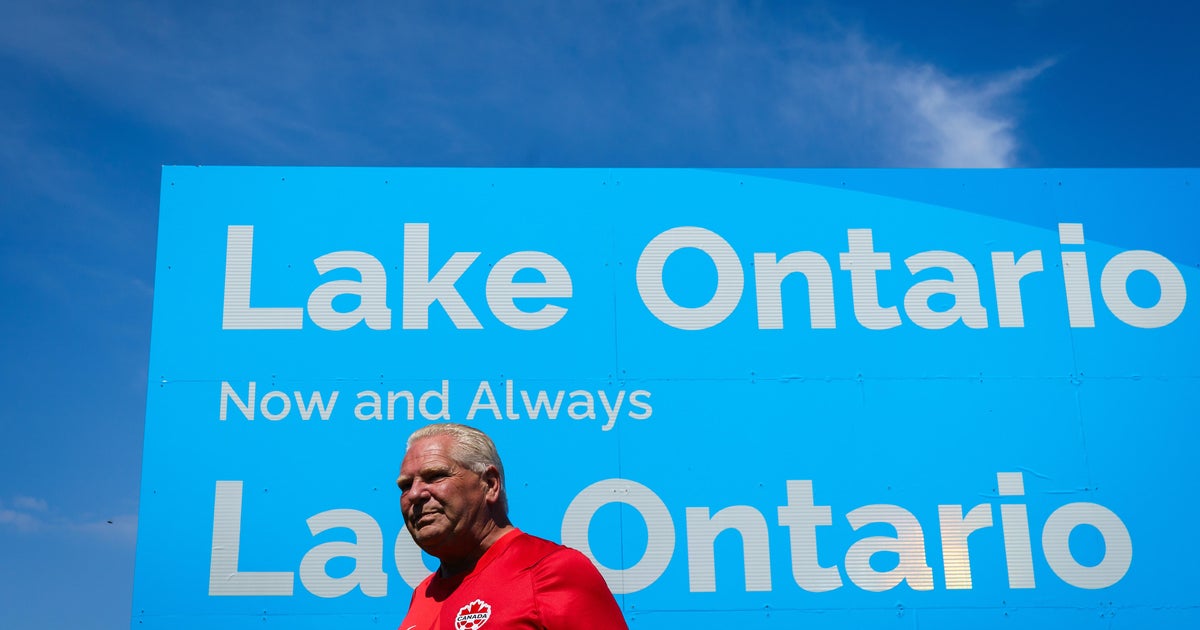
Doug Ford put up a blue sign on the shores of Lake Ontario that reads “Now and Always.” It was meant as a political statement, but it accidentally captured something deeper: the lake itself is the statement.
When Donald Trump signed an executive order last week renaming Lake Ontario to “Lake America,” he didn’t just change a label. He declared ownership over a body of water that has sustained Indigenous nations for millennia before becoming a border between two countries. The Seneca Nation’s response was immediate and devastating in its precision. President J. Conrad Seneca didn’t argue about nationalism or patriotism. He argued about a 225-year-old treaty.
This is how toponymic disputes actually work. They’re never about names. They’re about who gets to define what exists.
The Original Name Matters
The name Ontario comes from the Iroquoian word “oniatarí:io” — “lake of shining waters.” The Seneca people gave this lake its name. They did not sell that naming right. They did not lease it. They lived here, named it, and built civilizations around it long before either the United States or Canada existed as political entities.
Trump’s executive order attempted to erase that history with a bureaucratic stamp. “Lake America” sounds inevitable, like something that always existed. But it’s actually a claim of conquest dressed as convenience. The order implies that because the lake flows between American and Canadian territory, it belongs to neither nation’s indigenous past and can be renamed by whichever government holds the most immediate power.
Ford’s sign counters this with its own claim: the name is permanent because it’s ancient. But his argument has a blind spot. He frames the dispute as Canada versus the United States, when the Seneca Nation’s response reframed it entirely. This isn’t a binational disagreement. It’s a three-way conflict between colonial powers fighting over territory and Indigenous nations fighting to remain visible within it.
Who Wins When Names Change
The Seneca Nation stands to lose the most. When you rename a lake, you don’t just change what appears on maps. You change what appears in legal documents, in school textbooks, in the minds of people who will never visit these shores. You make the original inhabitants invisible.
J. Conrad Seneca understood this. His statement directly addressed the erasure: “The President cannot assert ownership over our culture or erase it through irresponsible political action.” This isn’t rhetoric. It’s a legal argument waiting to happen.
The treaty reference is crucial. If the Seneca Nation can demonstrate that the 225-year-old agreement guarantees their naming rights or their sovereignty over the lake, the executive order faces immediate legal challenges. Federal courts have a complicated history with Indigenous treaty rights, but they also have a history of enforcing them when the facts are clear.
Ford wins face value. He’s positioned himself as a defender of Canadian sovereignty against American aggression. The sign-making, the social media posts, the theatrical defiance — it plays well in Ontario. But he’s fighting a battle he can’t really win. Lake Ontario doesn’t belong to Ontario. It belongs to the lake and the people who named it, and neither Ford’s sign nor Trump’s executive order changes that fundamental truth.
The Trade War Context Changes Everything
This renaming dispute didn’t happen in isolation. It came after failed trade talks. It arrived alongside 50% tariffs on Canadian goods. Trump called Ford “unimpressive” and a “flunky.” Ford called Trump a “dictator” and made insults that would embarrass a playground bully.
The timing suggests coordination. When you impose tariffs while simultaneously trying to rename a lake, you’re sending two messages: economic punishment and cultural domination. Both are exercises in pressure. Both aim to make Canada — and specifically Ontario — bend.
Prime Minister Mark Carney’s response was measured. He announced retaliatory tariffs up to 50% on $20 billion in American imports. That’s serious economic warfare between allies who’ve spent decades building the most integrated trade relationship on earth. The automotive and steel sectors, which will face 50% tariffs beginning in January, aren’t abstract categories. They’re thousands of jobs, entire communities, supply chains that stretch across both countries.
The lake renaming is the symbolic layer of this conflict. It’s Trump testing how much cultural aggression he can impose before the other side buckles. If he can rename a lake without consequence, what else becomes negotiable?
What Happens Next
The Seneca Nation will likely pursue legal channels. They have the strongest moral and historical argument, and treaties have teeth in American law when properly enforced. Ford will continue his theatrical defiance. Carney will calculate his economic responses. Trump will decide whether this story has run its course or needs more escalation.
But the real question is what this means for Indigenous sovereignty more broadly. If an executive order can rename a lake that Indigenous nations named centuries ago, what stops it from renaming mountains, rivers, and entire regions? The precedent matters far beyond the Great Lakes.
Ford’s sign says “Now and Always.” The Seneca Nation would agree. But their “always” stretches back thousands of years. Ford’s “always” only goes back to European colonization. That’s the actual dispute here — not who controls the present, but who gets to claim the past.
The lake will keep shining. The name will keep mattering. And the Seneca Nation will keep reminding everyone that before there were presidents and premiers, there were people who named this water and built their worlds around it.