Riot's 2XKO Death Mark the New Reality of Fighting Games
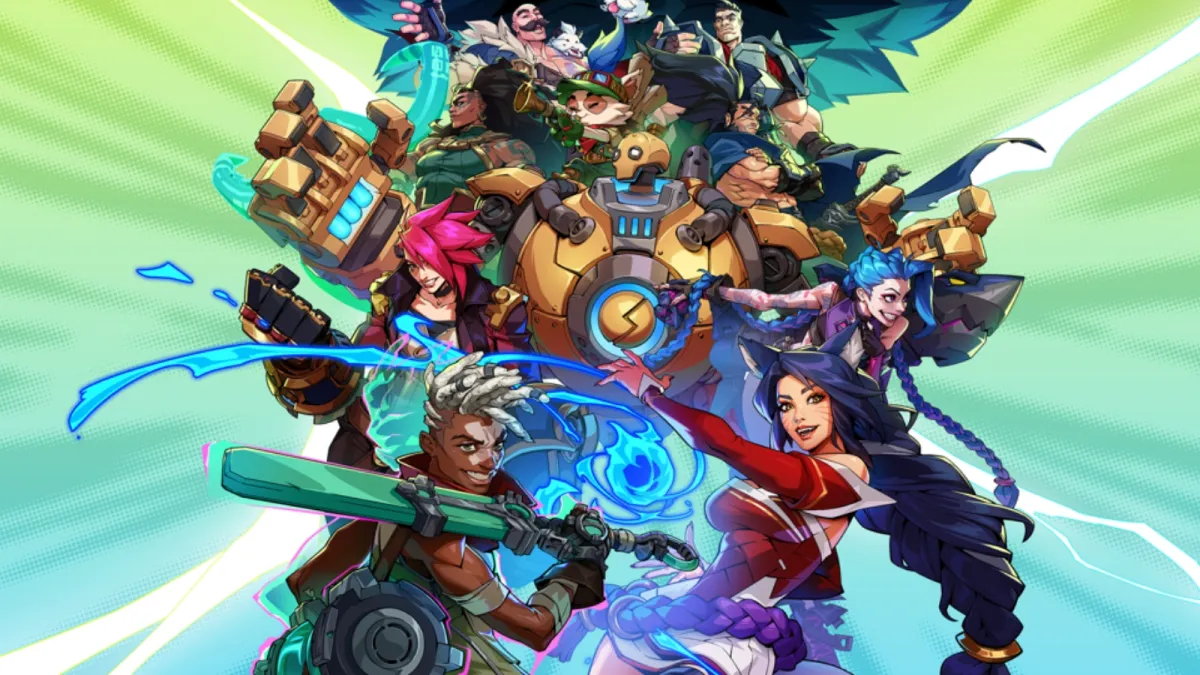
Riot Games is ending active development on 2XKO after a turbulent six months, marking the second major fighting game casualty this year. The move reveals uncomfortable truths about the genre's economics—even with a League of Legends IP behind it.
The Numbers Don’t Lie
Riot Games just killed its fighting game.
Not literally—the servers stay online, the remaining patches will land, and players can still queue up matches. But December marks the end of active development for 2XKO, the tag-team brawler that arrived in January with a $0 entry price, a massive League of Legends fanbase, and every resource a AAA studio could throw at a project. It failed to hold attention. The math simply didn’t work.
This is the second major fighting game studio death this year. Arc System Works recently shut down Studio Katsu, and now Riot is walking away from 2XKO after 7 years of development stretching back to Project L and even further to its predecessor, Rising Thunder. Two high-profile casualties in twelve months is not a coincidence. It’s a pattern.
What Riot Is Actually Saying
The blog post announcing the decision is notably candid. Riot didn’t bury the lead. It acknowledged that while “a lot of you jumped in to try the game,” retention collapsed after the initial curiosity wave. The studio considered reducing headcount (it already cut 80 employees in late January, roughly half the development team) and changing the business model. Neither path seemed viable. So it chose the nuclear option: shut down live operations and refund everyone who spent money.
That last detail matters. Riot is refunding all purchases made on or before August 20 and disabling future KO Point purchases. This isn’t standard practice for a free-to-play title. Most companies let dead games die quietly, preserving whatever user data they can and hoping for a revival. Riot is cutting checks. That level of accountability signals either genuine care for its player base or a recognition that maintaining goodwill now prevents a PR disaster later.
The Licensed Fighting Game Problem
Here’s what English-language readers often miss about this story: the licensing angle.
2XKO was supposed to be the answer to a question the fighting game community has been asking for years—can you build a sustainable tag-team fighter around a massive existing IP without alienating core fighting game fans? Riot spent years trying to solve this. Project L was praised for its accessibility mechanics, its “Overdrive” system, and its attempt to lower the barrier to entry without sacrificing competitive depth. Reviews were positive. The game was well-designed.
And yet nobody played it.
The fundamental problem with licensed fighting games isn’t the characters—the characters are fine, it’s the economics of retention. Fighting games have notoriously difficult business models. The genre relies on a small but intensely dedicated player base, and even the biggest titles struggle to convert casual interest into long-term engagement. A League of Legends IP brings millions of potential players into the room. Most of them walk through the door once and never come back.
2XKO faced additional headwinds from competitors like Invincible VS and Marvel Tōkon: Fighting Souls, which vied for the same casual-to-midcore fighting game audience. These aren’t AAA competitors with billion-dollar budgets, but they split attention in a market where fighting game players tend to invest deeply in one title at a time.
Who Wins and Who Loses
The players win, surprisingly. Riot’s decision to refund purchases, unlock all champions, and bundle cosmetics is generous by industry standards. The remaining six months of content—Lux and Samira coming as free additions, a final bug fix patch, offline play preserved—means the game lives on as a mostly-complete experience. Players who bought in early get their money back plus continued access. That’s not a bad outcome.
Riot loses face and money. The company invested years of development time, marketing budget, and organizational hope into a project that couldn’t find its audience. The layoffs that already occurred hurt real people—80 developers who will now face uncertainty. The remaining team members will be reassigned or let go.
The fighting game industry loses a credibility experiment. 2XKO was supposed to prove that a major publisher could build a sustainable fighting game around a beloved IP. It couldn’t. That doesn’t mean the idea was wrong—it means the market is even smaller and more volatile than anyone wanted to admit.
What Comes Next
The immediate question is whether this cancellation will make other publishers nervous about fighting games. That’s unlikely to happen. The genre has persistent commercial appeal, and studios will keep trying. But 2XKO’s failure should give any publisher pause about assuming that a famous IP automatically translates to a successful fighting game.
For Riot specifically, this is a pivot point. The company has built its empire on live service games—League of Legends, Valorant, Teamfight Tactics—that survive on decades-long engagement curves. Fighting games operate on a fundamentally different engagement model: shorter sessions, higher skill ceilings, and more volatile player counts. 2XKO exposed a mismatch between Riot’s live-service DNA and the fighting game audience.
Riot’s response—refunding, preserving servers, being transparent—suggests the company learned something from this. The question is whether it learns enough to avoid repeating the same mistake with another IP. There are other Riot franchises that could theoretically work as fighting games. The question is whether Riot will bet on them again, or whether 2XKO’s failure will be its final foray into the genre.
The Bigger Picture
What makes 2XKO’s cancellation significant isn’t the game itself—it’s what the game represented. For seven years, Riot was building toward this moment. The project survived internal name changes, development hell, and multiple delays. It was supposed to be the title that brought fighting games to the masses. Instead, it became proof that the masses weren’t interested.
The fighting game community will endure, as it always does. Smaller studios and independent developers will keep making games. Tournament circuits will persist. But 2XKO’s death serves as a reminder that even the biggest publishers in gaming can misread their audiences, and when they do, the consequences are immediate and final.
Riot is doing the right thing by being honest about its failure. The industry needs more of that honesty and less pretend-it’s-not-dead corporate spin.