Russell Brand Conviction Will Haunt UK Comedy Far Longer Than a
A guilty verdict in London is about to reshape how British comedians, platforms, and prosecutors treat consent claims—and it's only the beginning.
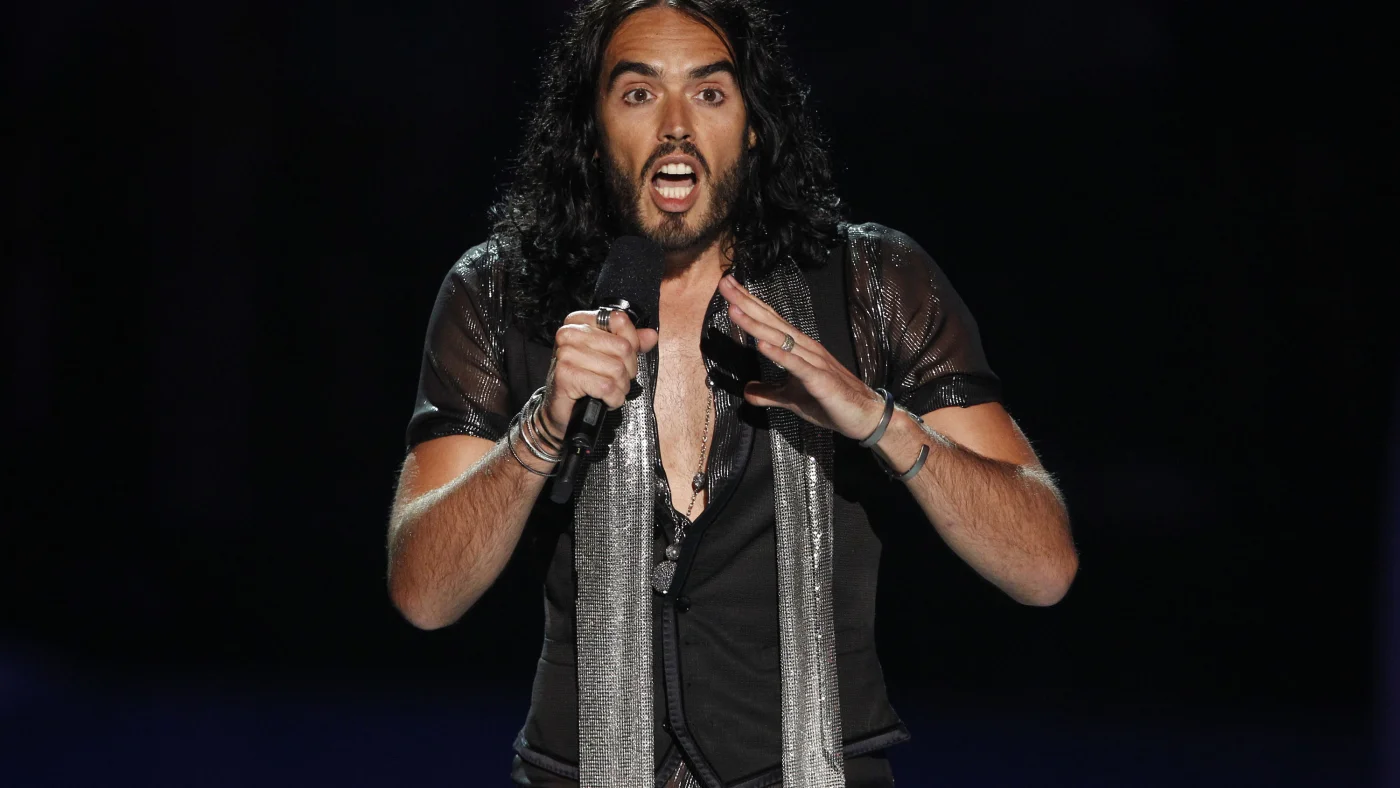
The Verdict Is In. The Reckoning Just Began.
When the jury at Southwark Crown Court returned its verdict on Thursday, the immediate story was straightforward: Russell Brand had been found guilty of one count of rape and three counts of sexual assault, with sentencing scheduled for Monday. A judge warned him he faced a significant custodial term. Two additional rape counts were dismissed, along with one attempt charge.
But the institutional reverberations have barely started. This conviction sits at the collision point between British legal culture, the economics of digital platforms, and the ongoing renegotiation of who gets space to speak—and under what conditions. That combination makes it structurally different from almost any celebrity sexual-assault case that preceded it, even the high-profile convictions that followed Harvey Weinstein.
What Makes the Brand Case Unusual
Three facts make this not just a criminal matter but a signal case for the industry.
First, the alleged conduct spanned roughly five years and involved multiple complainants across different professional contexts: a bar encounter in 2004, incidents at a radio station, a TV project in 2009, and a performance-related meeting in 2009. When allegations touch different corners of a subject’s career, they become harder to dismiss as isolated misunderstandings. The pattern itself carries weight—not as character assassination, but as evidence that prosecutors can assemble when consent is disputed.
Second, the police have already announced investigations into further allegations by two additional women. This is the detail most US wires are likely to skip or bury. If those investigations yield charges, a single verdict becomes the opening chapter rather than the conclusion. The Metropolitan Police statement underscored that point explicitly: no one is above the law regardless of fame.
Third, Brand occupies a position in public life that few previous defendants have held. He is not merely a comedian. Over the past decade he rebuilt himself as a political commentator, a controversial broadcaster, a wellness influencer, and eventually a figure embraced by parts of the American right—appearing alongside figures including Elon Musk, Tucker Carlson, and Robert F. Kennedy Jr. His audience overlaps with commercial platforms whose content moderation policies now face real pressure after the conviction.
Who Wins, Loses, and Hedges
Comedians operating under shock-humor traditions lose first. The early-noughties brand of confrontational comedy Brand cut his teeth on—that style relied heavily on testing boundaries around sex, power, and gender—will now face far more scrutiny from promoters, festival bookers, and insurers. The risk calculus has shifted. A joke may not carry financial liability, but behavior outside comedy does, and that boundary is now legally sharper than it was before 2023.
British prosecutors gain institutional credibility. David Roberts, the senior prosecutor, described Brand as having used his growing fame and power to create situations in which he could pursue women sexually regardless of their wishes. That framing—calculated predator rather than momentary lapse—is strategically important. It moves consent cases away from the unprovable “he said, she said” trap and toward patterns of conduct. This approach benefits future cases, especially where multiple complainants exist.
Platforms face a harder question about monetization. Brand’s political commentary, conspiracy content, and later wellness material grew substantially through YouTube and affiliated channels. Conviction changes the risk profile for ad revenue and sponsorship deals. US-focused observers often miss that UK platforms and advertisers operate under different regulatory expectations, including tighter harassment and hate-speech standards under the Online Safety Act. That law imposes duties on operators to remove illegal content and protect children—and it creates potential liability for platforms that continue to amplify convicted offenders’ newly unlawful narratives.
The British left loses a patron saint; the right loses a cause célèbre. Brand’s migration from leftist political commentator to a figure celebrated by elements of the American right was never purely ideological. It was also transactional: his controversies provided content, and his opponents’ fury provided engagement. With a conviction now standing, that utility evaporates. Expect fast retreats from people who previously called the allegations a media witch hunt.
What English-Language Readers Miss About the UK Context
US coverage tends to frame celebrity sexual-assault cases through the lens of American defamation law, first-amendment norms, and civil litigation. The UK operates differently.
British juries decide guilt beyond reasonable doubt without the same emphasis on evidentiary motions that characterize US trials. There are no cameras in court, which reduces performative testimony but also obscures how jurors actually reacted to certain witnesses. And crucially, UK media law allows for stricter prior restraint and faster injunction processes, meaning pre-trial publicity looks very different than it would in a US courtroom.
Those differences matter because they shape how quickly reputations can collapse—or recover. Conviction here does not automatically mean global pariah status in every market, but within Britain it carries institutional weight that crosses professions, publishers, and platforms simultaneously.
The Sentencing Question and Why It Matters Beyond One Man
Monday’s sentencing hearing will determine whether Brand serves time in custody, a suspended sentence, or something in between. The judge’s warning about a significant custodial term is meaningful. Judges rarely issue such signals unless they expect to follow through. Rape in England and Wales carries a maximum penalty of life imprisonment; sexual-assault convictions carry up to ten years each. Four convictions stacked together push the likely total well into years, not months.
But the practical consequence of sentencing extends beyond Brand’s calendar. A substantial prison term sends a message to high-profile entertainers that professional reinvention—memoirist, motivational speaker, podcast host, YouTube commentator—does not immunize against prosecution. Conversely, a lighter sentence would embolden defense strategies centered on reputation management rather than factual contestation.
Either outcome will shape how comedy clubs, talent agencies, and digital creators structure contracts going forward.
What Happens Next
Expect several developments over the coming months, some predictable, some less obvious.
Additional police inquiries should produce further charges or formal decisions not to prosecute. Those decisions will be treated as precedent-setting by both sides of similar pending cases. Comedians and entertainers will revise behavior codes and NDAs with greater urgency. Insurers will reassess event-liability coverage for performers with public-controversy histories.
Platforms may begin removing or demoting content tied to convicted individuals under new interpretations of their own terms, particularly where monetization intersects with publicly established facts. Some creators will flee; others will double down, betting that conviction alone does not trigger automatic demonetization.
And the broader cultural conversation will shift from whether famous men can be held accountable to what systems enabled their continued visibility while accusations accumulated. That second question matters more than the verdict itself, because it determines whether institutions change or merely adjust their PR strategy.
Conviction closes one legal door. It opens many others.