Samsung Biologics Union Targets Samsung Electronics in Rare Power Play
A rare labor maneuver at Samsung Biologics is forcing Samsung Electronics into the bargaining table — and threatening a 3 trillion won capital raise. The move tests whether Korea's revised 'Yellow Envelope Act' can pierce chaebol corporate veils.
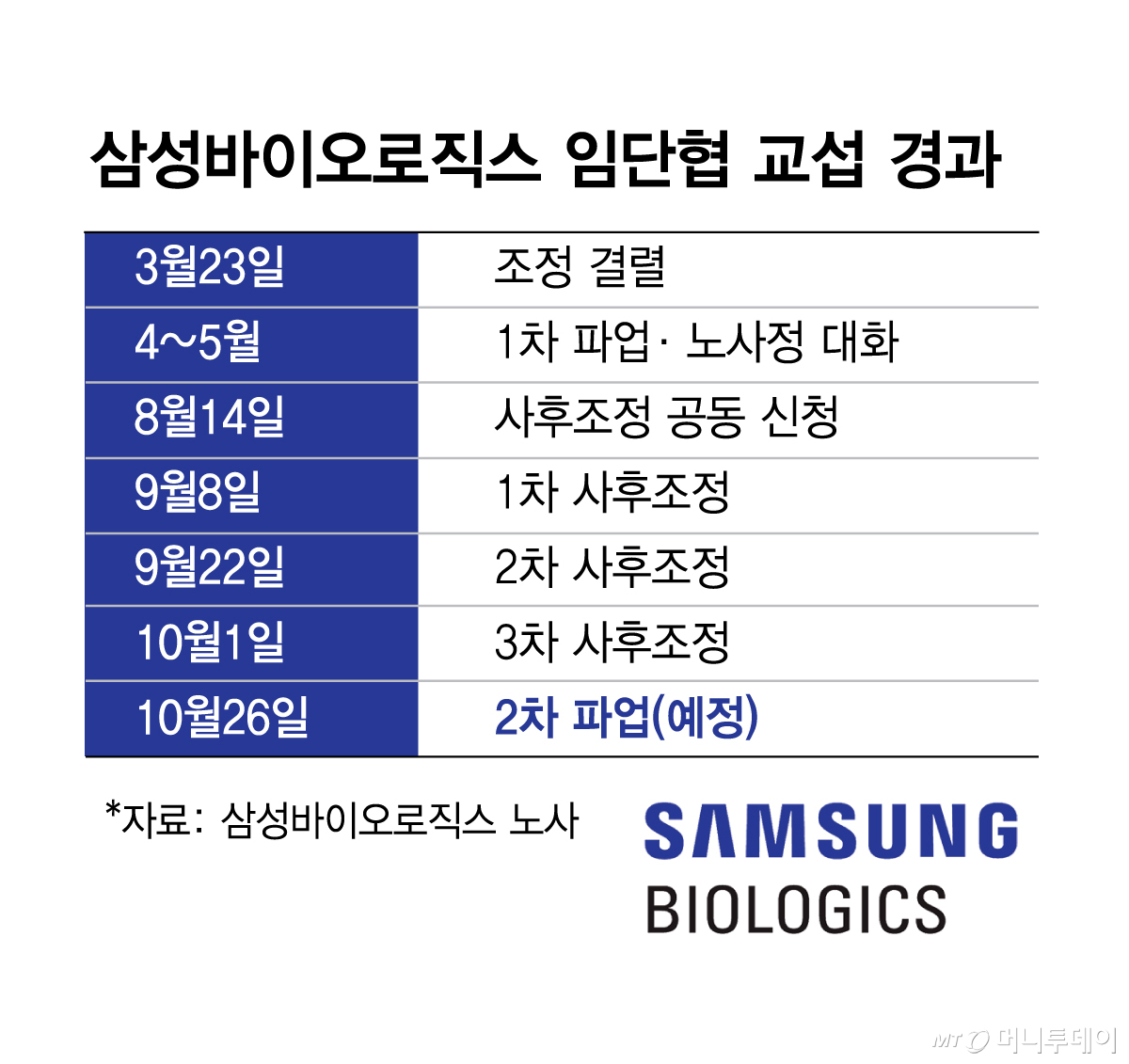
The strike isn’t at Samsung Biologics — it’s at Samsung Electronics
A labor dispute that looks like it belongs inside Samsung Biologics is actually aimed at Samsung Electronics, the conglomerate’s parent company. The move is unprecedented in modern Korean labor relations and puts a multi-trillion won capital raise at risk.
On October 6, the upstart union at Samsung Biologics — known colloquially as Samsung Bio — sent a formal letter to Samsung Electronics demanding collective bargaining. The union, called the Sangsang Labor Union, is invoking Korea’s recently revised Labor Union and Labor Relations Adjustment Act, commonly referred to in English-language reporting as the “Yellow Envelope Act,” to argue that Samsung Electronics qualifies as a joint employer despite being a second-largest shareholder rather than the direct legal employer of the Biologics workforce.
The stakes go well beyond workplace grievances. Samsung Biologics is one of the world’s largest contract biomanufacturers and a critical node in global pharmaceutical supply chains. Any disruption here echoes through CDMO orders, pipeline timelines for drugmakers worldwide, and Korea’s ambitions to become a top-three biotech exporter.
What the union is asking for
The union’s demands are sweeping. It wants Samsung Electronics to bargain over job grading systems, promotion criteria, core-hire selection and development, pay bands, incentive structures, and the design and operation of personnel and compensation policies. The union argues that Samsung Electronics has been substantively involved in these areas — not through direct management but through its controlling influence over Samsung Biologics.
Park Jae-sung, the union’s chairman, said the group reviewed documents showing Samsung Electronics exercising “actual and concrete” control over Samsung Biologics working conditions. He said the union plans to present evidence of that control at the bargaining table.
The first meeting is scheduled for October 14 at Samsung Electronics’ facility in Songdo, Incheon.
Why this matters for investors
Western investors in Korean equities and biotech supply chains have been watching ESG scores and labor relations with growing attention. The arrival of the Yellow Envelope Act in Korean law was designed to close a loophole: companies could previously shield themselves from labor obligations by arguing that a holding company or major shareholder was not the “user” — the legal term for employer under Korean labor law. The amendment expands the definition to include entities that exercise substantial control over working conditions, even without a formal employment contract.
For Samsung Biologics, the test is immediate. The company has been preparing a massive capital raise — reported to be around 3 trillion won — to fund capacity expansion. A labor dispute that drags into that financing window could raise questions from international investors and bondholders about governance risk, potentially affecting the pricing and timing of the raise.
The situation also tests a tension that has been building across the chaebol system. Korean conglomerates have long operated through layered subsidiaries with shared management practices, common HR frameworks, and overlapping executive oversight. The question now is whether courts and labor boards will treat that reality as enough to trigger employer obligations at the parent level.
Who wins and who loses
If the union prevails, Samsung Electronics becomes the first major Korean parent company forced into direct collective bargaining over its subsidiary’s workforce conditions. That would set a precedent affecting not just Samsung but every chaebol with a large subsidiary structure — Hyundai, LG, SK, and others.
For Samsung Electronics, the loss is reputational and operational. The company has spent years courting Western institutional investors with narratives around ESG compliance and governance reform. A ruling that it must bargain with a subsidiary’s union would undercut that positioning and invite similar claims across its other holdings.
For Samsung Biologics, the risk is more direct. The company is a strategic asset in Korea’s biotech push. Investors in its capital raise will be asking whether labor costs could rise unexpectedly and whether operational continuity is assured. Even the threat of arbitration or litigation can spook foreign buyers who are already cautious about Korean governance structures.
The union, meanwhile, gains leverage it has never held before. Rather than bargaining only with Samsung Biologics — a company whose management structure is less visible and more insulated — it now has a direct line to the entity with the deepest pockets and the strongest incentive to avoid disruption.
What happens next
The October 14 meeting is the first concrete test. Samsung Electronics is expected to contest the union’s claim that it qualifies as a user under the revised law. The company will likely argue that Samsung Biologics operates as an independent legal entity with its own management structure, and that any involvement by Samsung Electronics is limited to its rights as a shareholder.
If the parties cannot reach agreement, the dispute could move to the Labor Relations Commission, which would issue a ruling on whether Samsung Electronics is subject to collective bargaining. That process typically takes several months and can be appealed in court.
Meanwhile, the capital raise timeline at Samsung Biologics continues ticking. If the dispute stalls into the financing window, the company may face higher borrowing costs or delayed proceeds — both of which would favor competitors in the global CDMO market.
The broader signal
This case is a symptom of a wider shift in Korean labor dynamics. The Yellow Envelope Act was passed with broad support from labor advocates who argued that the old legal framework let companies dodge obligations through corporate structuring. Corporate groups warned it would create uncertainty and burden shareholders.
The Samsung Biologics dispute is the first high-profile application of that law against a chaebol parent. How it resolves will determine whether the Act is a meaningful check on subsidiary-level labor abuse or a narrow tool that big companies can still work around.
For international investors, the lesson is straightforward. ESG due diligence in Korea now has to look past the legal employer and examine who actually sets compensation, hiring, and promotion policy — because the law says that whoever does may be on the hook.