Samsung's Q3 Memory Boom Signals a Chip Cycle Turning Point
Samsung's Q3 operating profit could exceed last year's full-year total by more than double, driven by memory margins above 80%. What the numbers reveal about HBM demand and the wider chip cycle.
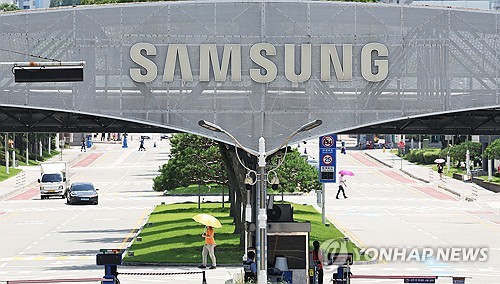
Samsung’s operating profit is about to look absurdly large.
Samsung Electronics reports its third-quarter preliminary results tomorrow, and the consensus estimate published by Alliance Finance is stark enough to warrant closer attention. Revenue is expected at roughly 200 trillion won — about 133 billion USD at current exchange rates. Operating profit is forecast at approximately 105 trillion won.
To put that single figure in perspective: Samsung posted 43.6 trillion won in operating profit for all of last year. A single quarter could exceed that by more than double.
If the estimate holds, Samsung will have now raised the bar four consecutive quarters, a sequence that began in the final three months of last year. Cumulative operating profit through the first nine months already clears 250 trillion won, making the annual 300 trillion won target comfortably within reach. No Korean company has ever approached these numbers.
This is not merely a strong quarter. It is a structural inflection point for the global memory business.
The margin story is where the signal lives.
Samsung’s Device Solutions division — the semiconductor arm — is expected to generate roughly 75% of the company-wide operating profit while contributing a 75% operating margin. The memory unit alone is projected to exceed 80%.
An 80% operating margin in memory chips is effectively unprecedented in the modern cycle. These are not specialty semiconductors with durable pricing power. They are commodity DRAM and NAND — products whose prices have historically moved in brutal 18-to-24-month troughs and peaks. The fact that margins sit at this level today says two things simultaneously: demand is genuinely strong, and supply discipline is unusually effective.
The second point matters more than it appears. Memory producers spent years underinvesting after the painful 2023 trough. Samsung itself took a loss in its downstream device division (DX) this quarter — the first quarterly deficit in company history — yet the DS division more than compensated. That transfer of profit from the consumer electronics side to the chip side is a deliberate strategic realignment, not an accident.
HBM4 is the new variable, and the contract math is lagging.
Samsung became the first producer to begin mass production of HBM4. High-bandwidth memory is the product most directly tied to the AI infrastructure buildout that has dominated capital spending across the tech sector. Every major cloud provider is bidding for it. Every rival fab is racing to qualify it.
But there is a timing blind spot that most previews will gloss over. HBM contracts typically run on annual terms. The price increases that followed the recent sharp recovery in general-purpose DRAM have not yet been fully reflected in HBM contract renewals. Those renewals are expected to land next year. What this means is that today’s 80%-plus margin is partly a function of lock-in pricing from the previous cycle, and the real earnings acceleration is still ahead — not behind.
For Samsung, the implication is straightforward: Q3 is strong, but Q4 and next year carry the steeper part of the HBM reprice. For investors watching the sequential trajectory, that distinction determines whether Samsung is already pricing in or still pricing out.
The competition is reading the same numbers.
SK Hynix, Samsung’s domestic rival, operates the same memory market with a slightly different posture. SK Hynix has held a lead in HBM qualification timelines and remains the preferred supplier for several of the largest AI chip designers. Where Samsung is gaining ground is in process density and yield expansion on HBM4. The gap between the two firms is narrowing, not widening.
Micron, the American competitor, faces a different constraint. Its capacity expansion plans have been more measured, and its HBM product roadmap has trailed both Korean rivals by a generation or more. The current environment rewards whoever can deliver volume fastest. That currently describes SK Hynix and Samsung, not Micron.
For Micron, the concern is less about demand and more about share. If HBM pricing reprices sharply next year and Samsung and SK Hynix capture the lion’s share of new contracts, Micron’s recovery may look healthier on margin but thinner on volume.
The device division loss is a warning flag — or a strategic choice.
Samsung’s DX division posted its first-ever quarterly operating loss this quarter. Smartphones, appliances, and other hardware segments are struggling against a backdrop of soft consumer demand in several key markets, including China and parts of Europe.
A rational reader might conclude that Samsung is a company in two worlds: one booming, one sinking. The more accurate reading is that Samsung is actively choosing to let the device side bled in order to fund the memory side. The company is redirecting capital, R&D focus, and management attention toward semiconductors. That is a deliberate bet that the memory cycle will sustain itself longer than the consumer electronics cycle.
Whether that bet pays off depends on two questions neither analyst can answer with certainty yet: how long HBM demand will outstrip supply, and how aggressively competitors will accelerate capacity additions in response.
What happens next is less about Q3 and more about what follows.
Tomorrow’s report will confirm the consensus or slightly miss it. Either outcome will move the stock, but the more important signals will come from management commentary on three specifics: HBM4 yield rates, forward contract pricing discussions for next year, and any indication of capex guidance adjustments. These details will determine whether this cycle is a deep re-rating event or a temporary spike in an otherwise normal memory wave.
The Korean won will also react. A sustained run of 100 trillion-won quarters strengthens the argument that Samsung’s cash generation can support dividend hikes or share buybacks at a scale rarely seen from Korean conglomerates. That flows directly into currency valuation and index rebalancing decisions by global asset managers.
What is clear today is that the memory business has exited its long winter. What remains uncertain is how hot it gets before the next cooling cycle begins — and whether Samsung’s bet on itself as a memory pure play is the right one.