Samsung GOS Fine Signals Korea's Tech Crackdown Is Broadening
South Korea's competition regulator hit Samsung with a 201 billion won fine over its Game Optimization Service, which capped performance on Galaxy devices regardless of thermal conditions. The ruling marks a pivot from anti-monopoly enforcement to consumer-protection oversight of tech companies.
A Fine That Goes Beyond Samsung
South Korea’s Fair Trade Commission has imposed a 201.14 billion won (
~$142 million USD at current rates) penalty on Samsung Electronics, and the ruling carries implications that extend well beyond one company’s marketing team.
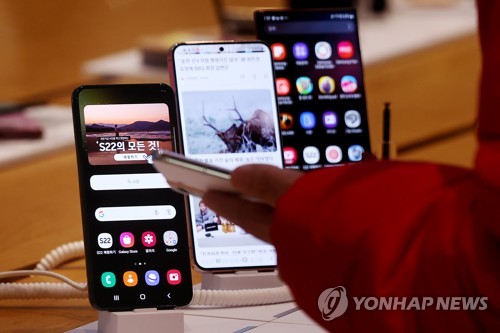
The regulator found that Samsung promoted the Galaxy S21, S22, and Tab S8 series with claims of being “the fastest Galaxy ever” and “the ultimate mobile gaming experience”
— but a background feature called Game Optimization Service, or GOS, was silently capping CPU and GPU performance on those devices regardless of actual thermal conditions.
Under normal operation, GOS is designed to throttle performance when a device overheats. The problem identified by the FTC was a separate per-game policy that locked maximum clock speeds to predefined levels the moment a high-demand game launched, with no regard for whether the hardware was running hot or cold.
The scope was significant: 82 games on the S21 series, 47 on the S22, and 8 on the Tab S8 were subject to these restrictions. That is not a narrow edge case. It was a systematic performance ceiling applied across Samsung’s flagship lineup during a period from January 2021 through March 2022.
How Samsung Responded
Samsung’s legal representative at Law Firm Jipyeong has pushed back on several fronts.
The firm argues that Samsung only disclosed the ratio of maximum click-based upper-limit settings without explaining how those settings affected real-world gaming experience. In other words, Samsung contends it did not conceal the existence of performance caps, merely failed to communicate their practical impact on consumers.
Samsung also stated that the specific optimization settings at issue are no longer in use, having been updated after the company collected consumer feedback at launch. The company expressed regret over the inconvenience caused and said it would continue efforts toward transparent product information disclosure.
But the regulatory posture matters more than the apology. Samsung has made clear it will challenge the FTC’s decision through litigation, arguing the advertisements did not violate Korea’s Display Advertising Act.
That path could stretch for months, possibly longer, and sets up a legal confrontation that will test how rigorously South Korean regulators can pursue consumer-protection claims against a company with Samsung’s resources and influence.
Why This Case Is Different From Previous Tech Scrutiny
South Korea has a history of using the Fair Trade Commission to rein in large conglomerates. Samsung, in particular, has faced repeated regulatory action over the years — antitrust complaints, inheritance disputes, and labor issues. What makes this case structurally different is the shift in enforcement philosophy.
Earlier actions targeted anti-competitive conduct: abusing market dominance, foreclosing rivals, or distorting procurement processes. This case targets something arguably more mundane but, in the regulator’s view, just as harmful to consumers: misleading advertising about product performance.
The FTC’s reasoning hinges on the argument that Samsung marketed gaming speed as a core selling point while omitting the critical detail that performance was artificially capped. By failing to disclose that limitation, the regulator concluded Samsung impeded consumers’ ability to make informed purchasing decisions.
That is a consumer-protection theory, not an anti-monopoly theory. And it signals that Korean regulators are willing to treat tech companies not just as market participants to be policed for competitive behavior, but as sellers accountable for the accuracy of their performance claims.
What Happens Next for Samsung
Samsung’s litigation strategy will likely focus on two arguments: first, that the disclosure of performance-cap ratios constituted sufficient transparency; second, that the GOS updates released since the period in question cure any alleged harm.
Neither argument will fully dismiss the regulator’s concern. The first concedes that caps existed and were disclosed in abstract terms. The second concedes the policy has changed. Both leave open the question of whether Samsung should have disclosed the caps in plain language at the time of sale.
If the FTC’s decision survives judicial review, it could establish a precedent that forces Samsung and other device makers in Korea to reconsider how they communicate performance characteristics. A ruling against Samsung would effectively tell the industry that marketing claims about speed, gaming, or processing power must account for every known throttling mechanism — not just worst-case thermal scenarios.
The Ripple Effect Beyond Samsung
Samsung is the dominant smartphone seller in South Korea and a major player globally. Whatever happens in this case will shape how Korean consumers and regulators think about performance claims across the industry.
Other smartphone manufacturers with GOS-like systems, including those running variants of Google’s Game Booster or manufacturer-specific thermal management features, may face similar scrutiny. If the precedent holds, companies could be expected to disclose not just the existence of performance-management systems but the specific conditions under which they trigger and the magnitude of any resulting throttling.
For consumers, that would mean more detailed technical specifications attached to marketing promises. For regulators, it would mean a new enforcement tool that reaches into product design and software behavior rather than just pricing and market share.
What This Means for the Broader Market
The 201 billion won fine is large but not existential for Samsung. The real cost may come in the form of precedent. Once regulators can attach penalties to omissions in performance advertising — not just outright false claims — the entire framework for how tech companies market devices shifts.
In South Korea, where state oversight of business conduct runs deep and public tolerance for corporate opacity is low, this case may be the opening of a broader enforcement wave. Other industries that sell products with performance specifications, from laptops to gaming consoles to electric vehicles, could find themselves next in line if the FTC’s logic gains traction.
For Samsung specifically, the company should expect a difficult legal battle and a likely compliance overhaul regardless of the outcome. The updated GOS policy is already in place. What remains uncertain is whether the 201 billion won fine will stand, and what additional standards it will impose on every performance claim Samsung makes going forward.