Samsung's Premium Android Comeback Starts With a Sales Trick
The Galaxy S26 Ultra became the top-selling Android phone in Q2 for the first time, but the real story isn't just the sales spike — it's what Samsung's strategy reveals about the premium Android market fighting Apple's grip.
The Number That Should Alarm Apple
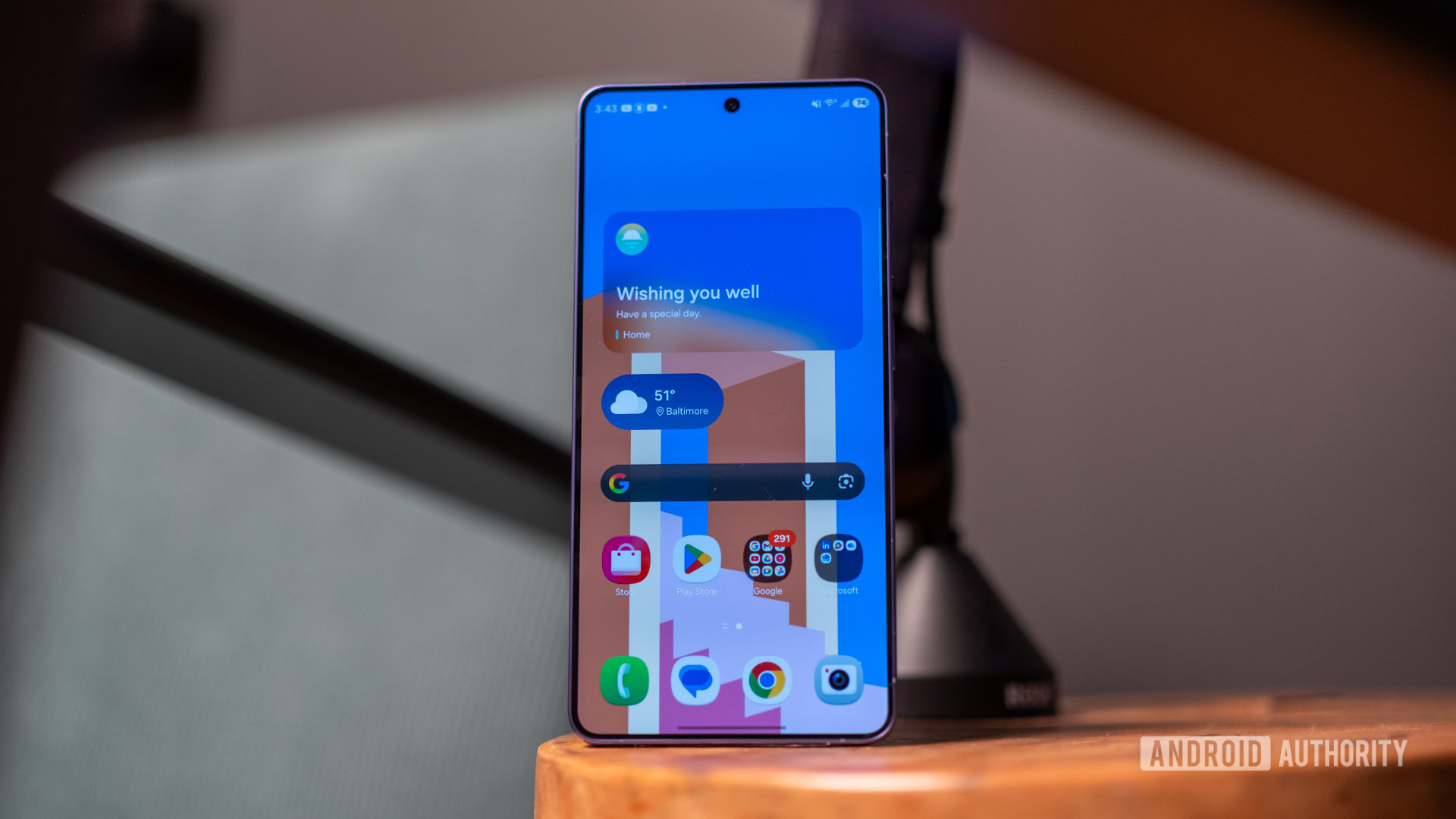
The Samsung Galaxy S26 Ultra sold better than any other Android phone in Q2 2026. That sounds like a milestone. It is, but not in the way it first appears.
What actually matters is that this is the first time an ultra-premium Android device — the kind that costs $1,300 or more — has topped the quarterly Android sales chart. Historically, that spot belongs to budget phones. The $150 to $300 range dominates global Android sales by volume, and Q2 specifically has always been a quiet quarter for flagships because manufacturers launch them in Q1 to capture holiday spending.
Samsung just broke that pattern. And it did so through scheduling, not through pure demand surge.
The Late Launch That Moved the Needle
Samsung announced the Galaxy S26 series on February 25. That is unusual. The Galaxy S line traditionally launches in late January or early February, with sales hitting their stride immediately. By pushing the date back, Samsung shifted a meaningful portion of its Ultra pre-orders and first-week sales from Q1 into Q2.
Counterpoint Research senior analyst Harshit Rastogi called this the primary driver behind the S26 Ultra’s sales position. It is a legitimate accounting move, not a magic bullet. But it is also a strategic one. Samsung understood that Apple’s iPhone 17 would likely dominate Q2 with its standard launch timing, and rather than crash into that wave head-on in Q1, it chose to split the difference and land more Ultra revenue where the field is thinner.
The result: the S26 Ultra finished fourth overall in Q2 global phone sales, right behind the iPhone 17, iPhone 17 Pro Max, and iPhone 17 Pro. The iPhone 16 rounded out the top ten at tenth place.
What the Full Ranking Actually Shows
The complete picture from Counterpoint’s Q2 2026 report looks like this at the top:
- iPhone 17 — first
- iPhone 17 Pro Max — second
- iPhone 17 Pro — third
- Galaxy S26 Ultra — fourth
- Galaxy A07 4G — fifth
- Galaxy A17 5G — sixth
- (positions 7) — eighth
- Galaxy A17 4G — eighth
- Galaxy S26 — ninth
- iPhone 16 — tenth
Three iPhones in the top three. Four Samsung devices in the top ten. And notably, the Galaxy S25 Ultra, which sat at ninth place in Q2 2025, dropped off the list entirely this quarter. The base S25 didn’t appear either. This is not a story of Samsung winning the high end across the board. It is a story of one model catching a timing advantage.
The Six-Year Update Play
There is one detail in the Counterpoint report that deserves more attention than it has received. Every Samsung phone on the Q2 top-seller list — including the budget A07 and A17 — promised at least six years of software updates. That is a deliberate wall Samsung is building around its mid-range and premium lines simultaneously.
Apple already locks users into its ecosystem through hardware and services. Samsung is doing the same through longevity. Six years of updates on a $200 phone is an unusual commitment. It signals that Samsung is trying to make the Galaxy brand synonymous with long-term value, regardless of price tier. Whether that strategy converts into loyalty beyond the Android/Apple binary remains an open question. But the intent is clear: Samsung wants you to think about your next phone purchase in years, not quarters.
Who Loses When Samsung’s Trick Works
Xiaomi lost a spot. The Redmi 14C 4G appeared on last year’s Q2 list but is absent this quarter. Budget Chinese brands that rely on volume in the lower price tiers are now competing against a Samsung portfolio that stretches from $200 to $1,300 with the same update promise. That is a pressure point.
Google also feels the squeeze indirectly. The Pixel line does not appear in the top ten at all. Samsung’s timing manipulation and update commitments are squeezing the middle ground where Pixel and other Android flagships try to survive.
Why This Isn’t a Realignment — Yet
Let’s be blunt about what this quarter proves and what it doesn’t.
It proves Samsung can move units of its most expensive phone in a quarter where flagships usually sleep. It proves Apple still commands the top three spots with iPhones. It proves that $1,300 Android phones can sell well when the launch calendar is favorable.
It does not prove that Android is reclaiming the premium market. The iPhone 17 still outsold the S26 Ultra by a wide margin. The top three positions remain Apple territory. Samsung’s win is real within its lane, but the lane is still narrow.
The Bigger Signal
The real takeaway from Q2 2026 is not that Samsung beat Apple. It is that Samsung found a way to compete at Apple’s price point using schedule design, update commitments, and portfolio depth across tiers. That is a playbook, not a one-off.
If Samsung repeats this pattern — pushing launch timing, extending update promises, and stacking its mid-range models alongside its flagship — the premium Android segment stops being a consolation prize and starts being a genuine alternative. The hardware gap with Apple has narrowed enough for that to matter. The question is whether Samsung can sustain the momentum when the timing advantage fades.
Q2 2026 may have been a trick shot. But trick shots can change how the table is played.