Seoul Weighs Hormuz Deployment — A Quiet Shift in Korean Foreign Policy
South Korea is reviewing whether to send combat and non-combat troops to the Strait of Hormuz, marking the most significant outward military push in its modern history. The move reflects Washington's pressure and Seoul's scramble to prove itself as a global security partner.
The Strait Is Calling — And Seoul Is Listening
South Korea’s consideration of sending troops to the Strait of Hormuz is not a dramatic headline announcement. It is a slow, procedural unfolding — and that slowness is itself the story.
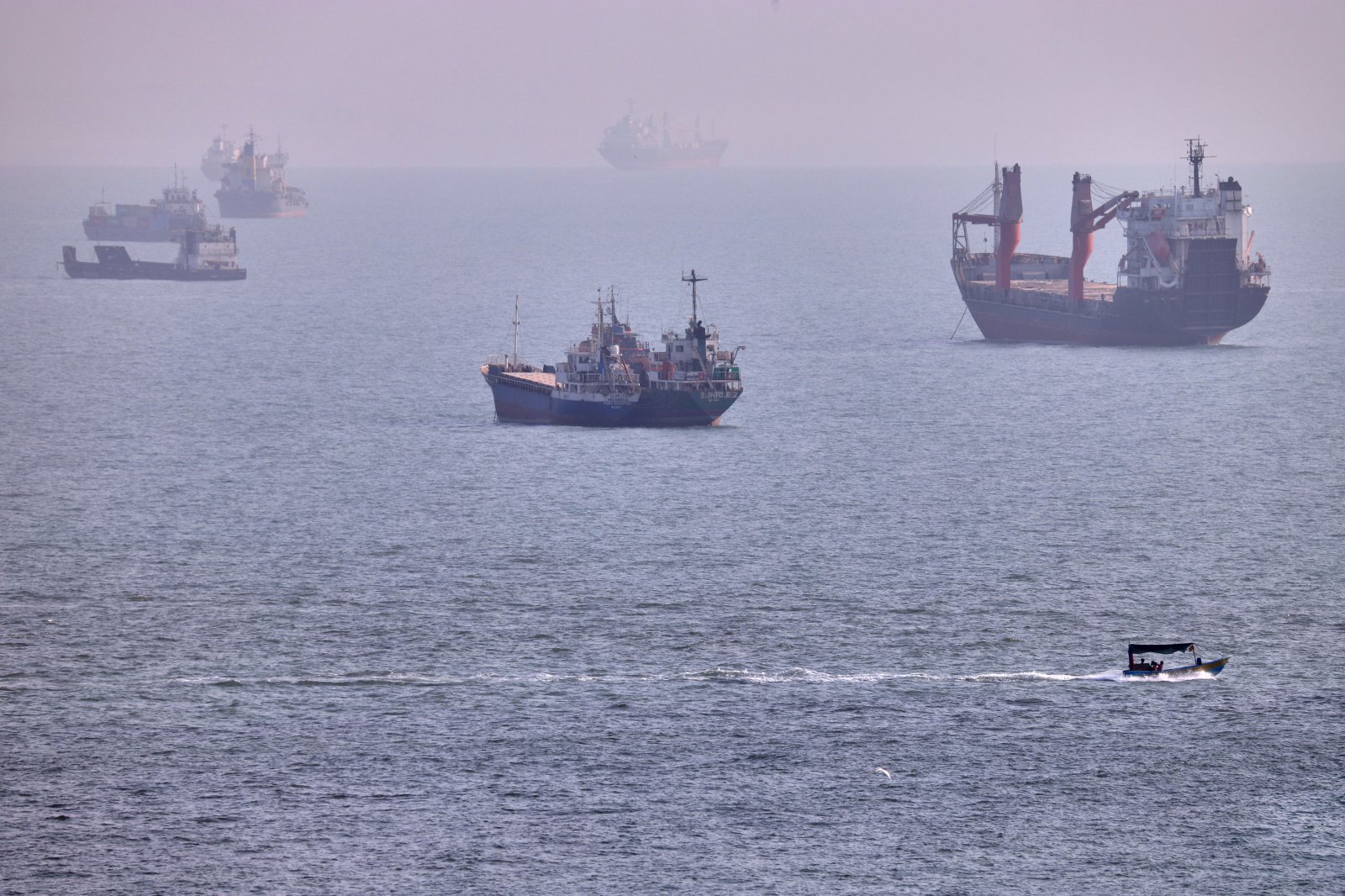
The Blue House confirmed on September 4 that it is reviewing the possibility of a military contribution to the strait, a critical chokepoint through which roughly 20 percent of global oil passes daily. Both combat and non-combat options are on the table. A senior official told reporters the government has been in discussion with the United States since Washington first proposed an international coalition for freedom of navigation — and that constitutional and domestic legal procedures must be followed before anything moves forward.
Nothing is decided. But the fact that it is being discussed at all marks a departure from decades of South Korean defense doctrine focused almost entirely on the Korean Peninsula.
Why This Matters Beyond the News Cycle
For years, South Korea’s military posture has been defined by one problem: North Korea. Its armed forces are structured, equipped, and trained for that single theater. Deploying even a small contingent to the Gulf would represent the first sustained overseas military commitment of any magnitude since the Vietnam War — and the first under conditions that are not UN-sanctioned but rather Coalition-aligned.
The timing is significant. Britain and France are already further along in their own review processes, according to the same senior official. South Korea is lagging, and Washington has made clear it notices. President Donald Trump has recently expressed frustration with Seoul over defense burden-sharing and trade imbalances, including semiconductor investment disputes. The Blue House was careful to distance the Hormuz review from Trump’s criticisms, insisting the effort reflects a long-standing Korean commitment to freedom of navigation. But the timing speaks for itself.
The Calculus in Seoul
South Korea imports the vast majority of its oil from the Middle East. The Strait of Hormuz is not an abstract strategic concern — it is an economic lifeline. When Iranian tensions escalate, as they have periodically over the past year, the strait’s stability directly threatens Korean energy security. That creates a genuine interest in contributing to its security architecture, even as it creates political risk: any deployment could be framed domestically as taking sides in a conflict that has no direct bearing on Korean territorial integrity.
The government’s language is deliberately vague. A combat role, a non-combat role, a search mission — the officials are painting these as options, not intentions. One senior figure noted that the Korean Constitution uses the term “파병” (troop deployment) without qualification, meaning even one or two soldiers sent to a hot zone would legally constitute deployment. The public tends to equate the word with large-scale combat forces, but the reality could look very different: a small naval detachment, medical personnel, logistics support, intelligence sharing.
What the US Wants
Washington’s motivation is straightforward. The United States cannot secure the Gulf alone, and it wants allies to share the burden. A Korean contribution — even a modest one — would carry symbolic weight: it would signal that the US alliance network extends beyond Europe and the Middle East into the Indo-Pacific’s most economically vital waters. It would also help insulate Trump from domestic criticism that America is fighting another Gulf war without partners.
But there is a harder calculation underneath. The US is pushing Korea to demonstrate that it is willing to project power beyond its immediate neighborhood — a prerequisite, from Washington’s perspective, for a deeper strategic partnership that includes technology cooperation, investment commitments, and a more integrated defense posture across the Indo-Pacific. The semiconductor tariff discussions referenced by the Blue House official are not separate from this dynamic. Trade and security are now negotiated as a package.
Regional Reactions
Japan will be watching closely. Tokyo has been eager for Seoul to take a more active role in regional security architecture, particularly in ways that complement Japanese posture without requiring direct trilateral military integration — which remains politically toxic in both capitals. A Korean Hormuz deployment would give Japan a partner to coordinate with, potentially easing some of the burden on Japanese self-defense forces operating in the western Pacific and Indian Ocean.
China’s response is harder to predict but likely cautious. Beijing has cultivated strong energy ties with Iran and views the Gulf as within its sphere of economic influence. A South Korean military presence near Iranian waters would not be welcomed in Beijing, though China has so far avoided direct confrontation with Seoul over such issues. The more significant concern for China may be the broader pattern: if Korea starts thinking about power projection beyond the peninsula, the entire framework of East Asian security conversations changes.
What Happens Next
The National Security Council has not set a date for a decision. Domestic legal procedures, including possible legislative approval, would need to be followed. Public opinion will be a factor — South Korean society remains deeply divided over overseas military deployments, and the memory of Iraq War casualties continues to shape political calculations.
But the trajectory is clear. The Blue House is moving, however deliberately, toward a decision that could reshape South Korea’s role in the world. Whether that decision involves combat troops or something narrower, the symbolic break from peninsula-exclusive defense thinking is already underway.
The question now is not whether Seoul will deploy to Hormuz — the question is what kind of deployment it chooses, and what that choice signals about where South Korea sees its interests in the decades ahead.