Seoul Weighs Hormuz Deployment as Trump Pressure Mounts
South Korea is considering sending naval supply vessels and P-8A patrol aircraft to the Strait of Hormuz, a quiet but consequential pivot driven by Trump's公开 demands. The move reshapes Seoul's defense posture and energy calculus.
The Quiet Pivot
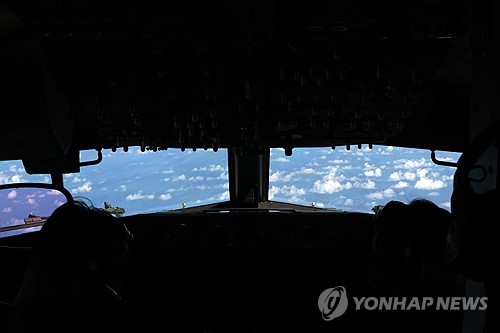
South Korea is contemplating something it has never done before: deploying its military into the Middle East’s most volatile chokepoint. According to reports from Yonhap News TV, the issue was discussed at a joint foreign affairs and defense ministry meeting, and the government is now weighing a deployment of supply vessels and maritime patrol aircraft — specifically the P-8A Poseidon — to support US warships operating near the Strait of Hormuz.
The next steps are procedural but consequential: a National Security Council vote at the Blue House, followed by a formal request for parliamentary consent. All signs point to those stages happening soon. What is less discussed publicly is why.
The Trump Factor
Multiple sources tie the timing to pressure from Donald Trump. The US president has been openly pushing Seoul to demonstrate material support related to the Iran conflict, framing it partly as a question of investment fairness — a transactional logic that has defined his second-term approach to alliance management. In Trump’s calculus, a allied military deployment is not just a force posture decision; it is a bargaining chip.
This changes the nature of the ask. Seoul is no longer being asked to contribute to a broad coalition out of shared regional concern. It is being asked to respond to direct executive pressure tied to economic leverage. That distinction matters for how allies elsewhere — Japan, Australia, European middle powers — interpret the request. Is this burden-sharing? Or is it compliance-testing?
What Would Actually Deploy
The reports specify non-combat assets: a supply ship and P-8A maritime patrol aircraft. That framing is deliberate. South Korea has no history of deploying logistical or intelligence-gathering platforms to the Middle East at this scale, and the distinction between combat and support roles is the exact line Seoul will walk in its domestic briefing. The P-8A is a formidable platform — long-endurance anti-submarine and anti-surface warfare aircraft, capable of ISR and maritime surveillance — but its deployment would still represent a significant operational commitment for the ROK Navy, which has concentrated its forward posture on the Western Pacific and the waters around the Korean Peninsula.
A supply vessel, meanwhile, is the unglamorous backbone of any sustained naval presence. Without it, the P-8A and any accompanying surface combatants cannot hold station. The very choice of assets tells you what the mission looks like: sustainment and surveillance, not strike.
Energy Chokes Everything
The real driver here is not alliance politics alone. It is oil. Iran sits atop the southern mouth of the Strait of Hormuz, and any escalation between Tehran and Washington has direct implications for a waterway through which roughly 20–21 million barrels of oil pass daily — about one-fifth of global petroleum consumption. South Korea is one of the world’s largest oil importers, and the vast majority of its crude transits that same strait. Disruption there is not an abstract risk for Seoul; it is a supply-chain event with immediate price consequences.
Deploying assets to the zone serves two purposes at once. It signals to Washington that Seoul is sharing the burden of securing the sea lanes both countries depend on. And it gives South Korea a seat at whatever diplomatic and operational table emerges around Hormuz security — a seat it currently lacks despite being one of the single largest consumers of the oil that flows through it.
Defense Orders Follow Posture
There is a secondary consequence that deserves attention: defense industrial demand. A sustained forward presence in the Middle East requires spare parts, fuel logistics, maintenance cycles, and potentially new platform acquisitions if the deployment becomes permanent. South Korea’s defense industry — which has carved out a growing export footprint in recent years — would feel the uptick. Companies that produce naval vessels, logistics systems, and aviation components could see renewed domestic orders even as they chase overseas contracts in places like Poland, the Philippines, and the Gulf states.
The signal effect matters too. Other middle powers watching this deployment will draw their own conclusions about what it takes to keep defense supply chains aligned with US priorities. Japan, which already operates sustainment and ISR assets in the broader Middle East context, will likely deepen its posture. Others may follow at a slower pace. The question is whether this becomes a template for allied contributions to Middle East security — or an exception born of specific crisis pressure.
Who Wins, Who Loses
Washington wins immediate political cover for its Iran posture and a tangible demonstration of alliance solidarity. Seoul wins leverage in US-Korea economic negotiations and a foothold in a region that has largely excluded it. Japan watches and recalibrates.
What is less clear is what happens if the deployment proceeds and the situation around Hormuz does not escalate as expected. South Korea would have committed military assets to a theater without a clear operational mandate beyond presence — a costly posture to sustain through budget cycles. And domestically, the National Assembly will scrutinize the request carefully. The current government faces no guaranteed majority comfortable with automatic deployment approvals, particularly when the strategic rationale is framed as much in investment terms as in security terms.
The Bigger Pivot
This story is small on its surface — a few ships, a handful of aircraft, a procedural dance through the NSC and parliament. But it points to a wider realignment. South Korea has long treated the Middle East as a commercial and diplomatic space, not a security one. That posture is ending. The Strait of Hormuz deployment, whatever its final form, signals that Seoul is accepting a role in Middle Eastern security architecture that it never voluntarily chose — and that it is choosing largely because Washington is asking it to, with carrots and sticks attached.
The implications extend beyond the KSA border. Energy markets, defense procurement, and alliance dynamics are all in play. Middle powers everywhere are watching to see whether this becomes the new standard for what the US expects from its Asian allies — and whether Seoul’s example accelerates or complicates that expectation elsewhere.