Serena and Alcaraz: What the US Open Mixed Doubles Really Tests
Serena Williams and Carlos Alcaraz's wildcard entry into the US Open mixed doubles raises questions about fitness, format, and the future of a sport trying to reinvent itself.
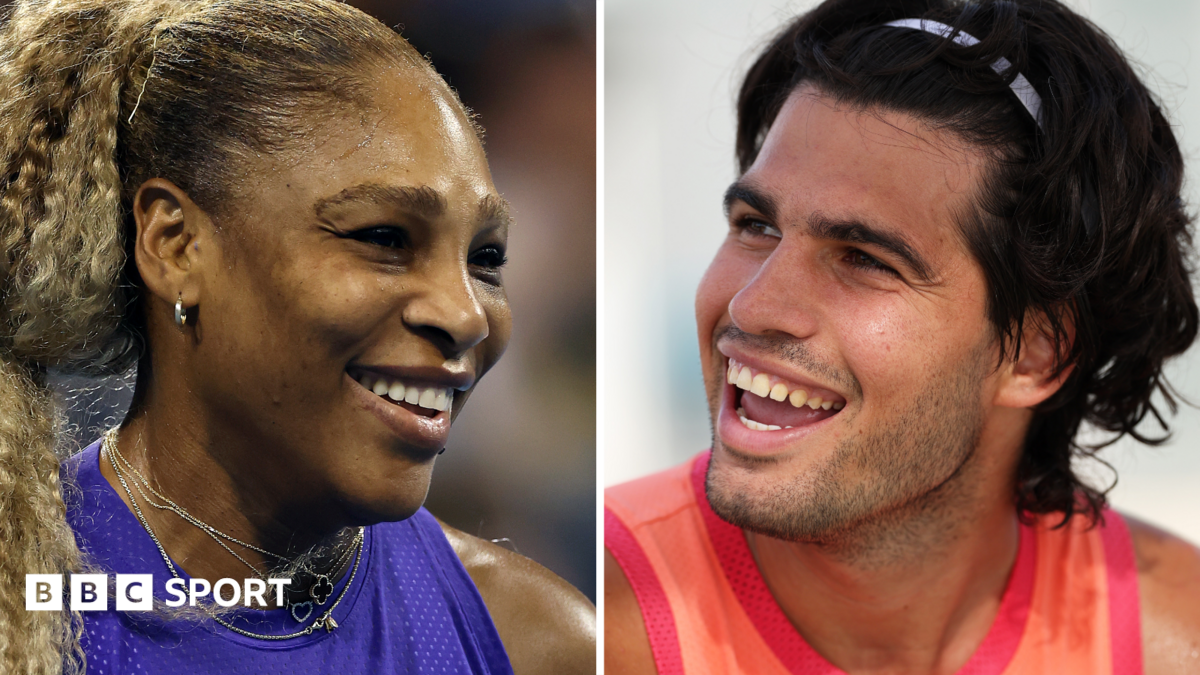
The Unlikely Duo at Flushing Meadows
Serena Williams is 44 years old. Carlos Alcaraz is 23. Between them they hold 30 Grand Slam singles titles and have never played a professional match together. Yet here they are, paired for the US Open mixed doubles wildcard draw — a combination that sounds like a marketing spreadsheet but turns out to be something far more complicated when you look past the headline.
Williams returned to tennis in June after four years away, citing a desire to “evolve” rather than retire. She has played three doubles matches since, made her singles comeback at Wimbledon where she lost in three sets to Maya Joint, and suffered a knee injury during that same tournament. Alcaraz hasn’t competed in over four months after wrist surgery. Their wildcard entry into the US Open mixed doubles isn’t just a novelty act — it’s the first real test of whether either of them can still play at a high level.
The Format Is the Story
The US Open mixed doubles was revamped last year with a bold experiment: the top six pairs by combined singles ranking get direct entry, eight receive wildcards, and the rest must qualify through an eight-team bracket. Defending champions Sara Errani and Andrea Vavassori were the only doubles specialists to receive a main-draw wildcard. Everyone else — including Britain’s Henry Patten partnering with top-ranked Katerina Siniakova — had to earn their spot.
The scoring changes were equally drastic. Sets now go to four games instead of six. No advantage scoring. A 10-point match tiebreak replaces the third set in all rounds before the final. The event now runs over two days in the week preceding the singles draw, finishing four days before the main competition begins.
Errani and Vavassori initially condemned the changes as “profoundly wrong” in a joint statement. Then they won the title and took home $1 million. Their post-tournament comment — that they’d “completed their mission” — was telling. The revamp worked for them, even if it didn’t win over the doubles purists.
What Serena Actually Needs Right Now
Williams has been open about her motivations. Playing in front of her two daughters was the stated reason for her return. Winning matches, she said, was “not important.” What matters is having fun.
That framing makes sense for a player who has already secured 23 Grand Slam singles titles and entered an era of career reflection. But the mixed doubles pairing with Alcaraz serves a different, perhaps more pragmatic purpose than pure entertainment.
Both players are returning from significant injuries. Williams is rehabilitating a knee issue that cost her at Wimbledon. Alcaraz is recovering from wrist surgery that kept him off the tour for months. Mixed doubles offers a structured competitive environment — long enough to test fitness and rhythm, short enough to minimize re-injury risk. A best-of-three mixed doubles match is roughly 60 to 90 minutes of actual play, spread across two people rather than one. It’s the perfect middle ground between a training session and a full singles commitment.
Williams has always found a different kind of freedom in mixed doubles. Her partnership with Andy Murray at Wimbledon in 2019 remains one of the most watched moments in the tournament’s history, precisely because it showcased a more playful, less guarded version of her game. The format unlocks something that singles sometimes constrains.
Why Alcaraz Should Care
Alcaraz has 27 months of professional experience between him and Williams. His career is accelerating, not winding down. So why accept a mixed doubles wildcard that nobody expects him to take seriously as a ranking opportunity?
The answer lies in the schedule. The ATP Tour is dense. Grand Slam seasons demand recovery periods. A mixed doubles appearance in late August — before the US Open singles draw begins — gives a player match practice without the physical toll of competing in the main event. It’s chess, not checkers.
Alcaraz is renowned for swashbuckling shot-making and an infectious smile even under pressure. The mixed doubles format, with its shorter sets and quicker pace, plays to his strengths. He doesn’t need to grind through five-set marathon logic. He can be explosive, creative, and entertaining.
There’s also the business case. Both Williams and Alcaraz promote major sportswear brands. A high-profile pairing at a Grand Slam generates global media attention that neither could achieve alone. The crossover appeal is undeniable — a 44-year-old legend alongside a 23-year-old phenom, both returning from injury, both chasing something intangible.
The Bigger Question for Tennis
The Errani-Vavassori trajectory — from critics to champions to cash — proves that the US Open’s mixed doubles revamp can work. But it also raises a structural question: what happens to doubles specialists when the format increasingly privileges singles stars?
Williams and Alcaraz’s partnership is the ultimate expression of this trend. They bring zero doubles pedigree as a team but enormous marketability. The current system rewards exactly that combination. Top combined singles rankings get direct entry. Wildcards follow the same logic. Doubles specialists like Errani and Vavassori can still succeed, but they’re now the exception rather than the rule.
The competition runs August 24–26. That’s four days before the singles draw begins. For Williams and Alcaraz, it’s a proving ground. For tennis administrators, it’s a stress test of whether the new format attracts audiences without alienating the sport’s traditional base.
Both players are natural competitors. Grand Slam trophies feed that instinct. But the mixed doubles venue offers something neither can get from singles: a chance to rediscover rhythm, connection, and joy on court without the weight of a full tournament on their shoulders. That’s not nothing. Especially not for Serena Williams.