First Human Death From Livestock Virus: A Warning
A French man has become the first person known to die from Shamonda virus, a pathogen that normally infects livestock. The case reveals how climate change and immunocompromised populations are expanding the reach of animal-borne diseases.
A Dead Farmer in Rural France
The first human death from Shamonda virus has been confirmed in France, and the case should reverberate through every public health office that still treats livestock pathogens as background noise rather than warning signals.
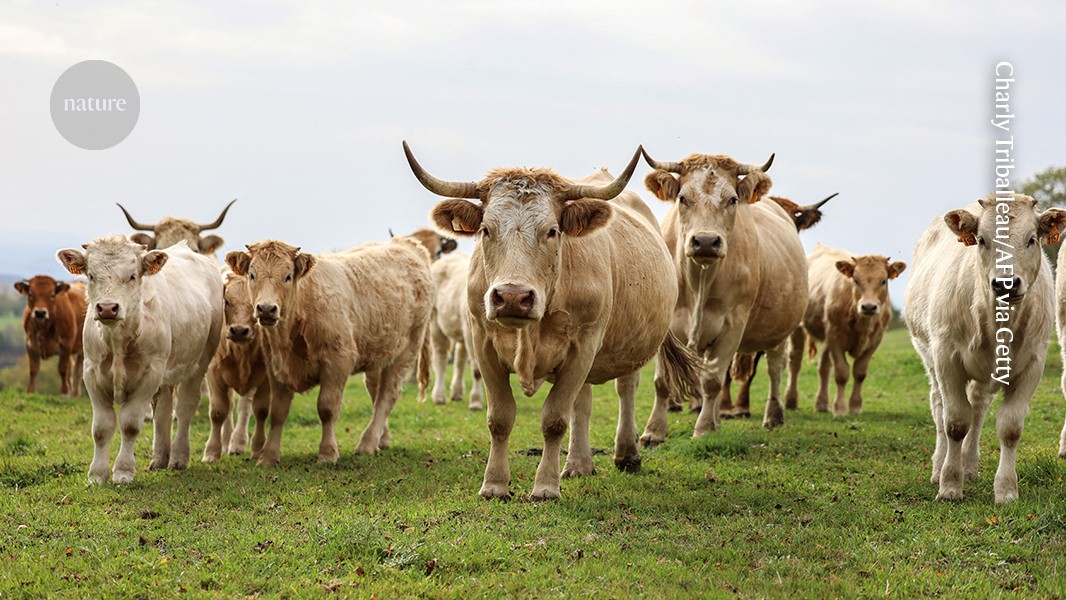
The patient was a man in his sixties who lived in the Rhône-Alpes region, an area where Shamonda virus had already been detected in cattle herds since July 2026. According to a case report published this week in Eurosurveillance, he developed neurological symptoms including vision loss and confusion, was bitten by midges, and died sixteen days later after his condition deteriorated despite aggressive treatment.
The details matter: he had leukaemia and was severely immunocompromised. When antibiotics, antiviral drugs, and high-dose corticosteroids failed to halt the infection, doctors disconnected him from mechanical ventilation. No one else in France or Europe has been infected. The risk of person-to-person transmission remains low.
But this is not a story about a freak outbreak with no broader significance. It is a case study in how three converging trends—climate change, growing immunocompromised populations, and inadequate surveillance of animal-borne viruses—are creating conditions for pathogens to jump species and kill humans with little warning.
Why This Virus Matters
Shamonda virus belongs to the orthobunyavirus family, a group of RNA viruses transmitted by mosquitoes and midges that primarily infect cattle, deer, and other livestock across Europe, Africa, and parts of Asia. The viruses cause economic losses in agriculture but have rarely infected humans.
When they do, the infections are usually mild or asymptomatic. The French case is different because the patient was immunocompromised. Krispin Hajkowicz, an infectious disease researcher at the University of Queensland who studies these viruses, notes that orthobunyaviruses pose a particular threat to people whose immune systems are weakened by cancer treatment, organ transplants, or chronic illness.
There are no vaccines for orthobunyaviruses. There are no approved antiviral treatments. Doctors relied on supportive care—keeping the patient breathing, reducing brain swelling with steroids—while hoping the immune system could clear the infection. It could not.
The case report authors wrote that investigations are ongoing to rule out alternative transmission routes such as contaminated food or blood transfusion, but the most likely explanation remains insect bites in an area where the virus circulates in livestock.
What Other Viruses Are Doing
Shamonda is not the only orthobunyavirus making headlines. In 2024, Oropouche virus caused a major outbreak in Brazil that infected hundreds of thousands of people and was transmitted from pregnant women to their fetuses, causing severe birth defects. Oropouche spread through midges, similar to Shamonda, but the clinical consequences were broader because the virus achieved sustained human-to-human transmission through vertical infection.
Daniel Rawle, a virologist at the QIMR Berghofer Medical Research Institute in Brisbane, says the pattern is clear: more orthobunyaviruses are being detected in people every year. The drivers are not mysterious.
Climate change is expanding the geographic range of mosquitoes and midges, pushing vectors into new territories and lengthening the seasons during which they can transmit viruses. Greater contact between wildlife, livestock, and humans—driven by deforestation, agricultural expansion, and urbanization into previously wild areas—increases the probability that a virus will encounter a new host species.
At the same time, the global population of immunocompromised people is growing. Cancer survivors, transplant recipients, and patients on biologic therapies for autoimmune disease are living longer but remain vulnerable to infections that would be harmless to someone with a robust immune system.
These three factors create a perfect storm. A virus that causes nothing in healthy cattle herds can kill an immunocompromised farmer living in the same region.
The Surveillance Gap
The most uncomfortable truth about the Shamonda case is that no one saw it coming. The virus had been circulating in European cattle since at least 2024, detected through routine veterinary testing. Researchers knew it existed. Nobody thought it could kill humans.
This is a surveillance gap, not a science gap. The tools to detect orthobunyaviruses in animals exist. The knowledge that these viruses can infect humans exists. What does not exist is a systematic effort to connect the two—monitoring livestock pathogens with the same urgency as monitoring bird flu or SARS-CoV-2 in humans.
Public health agencies tend to focus on pathogens that have already jumped to people. By the time Shamonda killed a Frenchman, researchers had been studying the virus in cows for years without realizing it posed a direct threat to humans.
The One Health framework—recognizing that human, animal, and environmental health are interconnected—has been advocated for decades. Implementation has been spotty. Veterinary surveillance and human clinical surveillance operate in separate silos with different funding streams, different reporting systems, and different priorities.
A farmer in France who presents with unexplained neurological symptoms is treated by a human doctor. That doctor has no reason to think about a virus circulating in nearby cattle herds. The cattle were tested by veterinarians. The results were logged in agricultural databases. No one connected the two datasets to the patient in front of them.
What Should Change
The Shamonda case does not justify panic. The risk of sustained human-to-human transmission appears low. The virus is unlikely to cause a pandemic. But it does justify structural changes to how we monitor emerging threats.
First, veterinary and human health surveillance systems need to share data in real time. When a novel orthobunyavirus is detected in livestock, clinicians treating patients with unexplained encephalitis in the same region should be alerted automatically. The technology exists. The institutional will does not.
Second, research funding for orthobunyaviruses and related zoonotic pathogens needs to increase. These viruses are neglected not because they lack significance but because they lack political urgency. They kill farmers, not presidents. They cause outbreaks in low- and middle-income countries, where the political pressure to respond is weaker.
Third, clinicians in rural and agricultural regions should be educated to consider zoonotic infections in patients with unexplained neurological symptoms. The French case was detected late because the initial diagnosis was bacterial meningitis, and antiviral treatment was not started until the condition worsened. If doctors had considered a viral etiology earlier, the patient might have received targeted therapy before organ failure set in.
The Bigger Picture
The Shamonda case is one data point in a much larger trend. Zoonotic spillover events are increasing. Climate change is expanding the range of disease vectors. Immunocompromised populations are growing. The probability that the next lethal pandemic will emerge from an animal pathogen—rather than re-emerge from a human-adapted virus—is rising.
What makes Shamonda different is that it was detected. The virus did not circulate undetected for months or years. Someone sequenced the genome, published the case report, and flagged the risk. That is progress.
But detection is not preparedness. The French doctor who treated this patient had no vaccine to administer. No antiviral drug to prescribe. No protocol for managing orthobunyavirus encephalitis. He did his best with the tools available, and the tools were inadequate.
The same will be true for the next zoonotic spillover event unless public health systems invest in surveillance, research, and clinical capacity before the next farmer gets sick.
Shamonda virus should not be treated as a curiosity. It should be treated as a signal—one more warning that the boundary between animal and human disease is more porous than we like to admit, and that the cost of ignoring that reality keeps accumulating.