SK Hynix May Lease Intel's Ohio Fab in Landmark US Pivot
SK Hynix is reportedly exploring a deal to lease Intel's troubled Ohio semiconductor facility, a move that would mark the first time a Korean chipmaker operates a US foundry at scale and could rescue Intel's CHIPS Act ambitions.
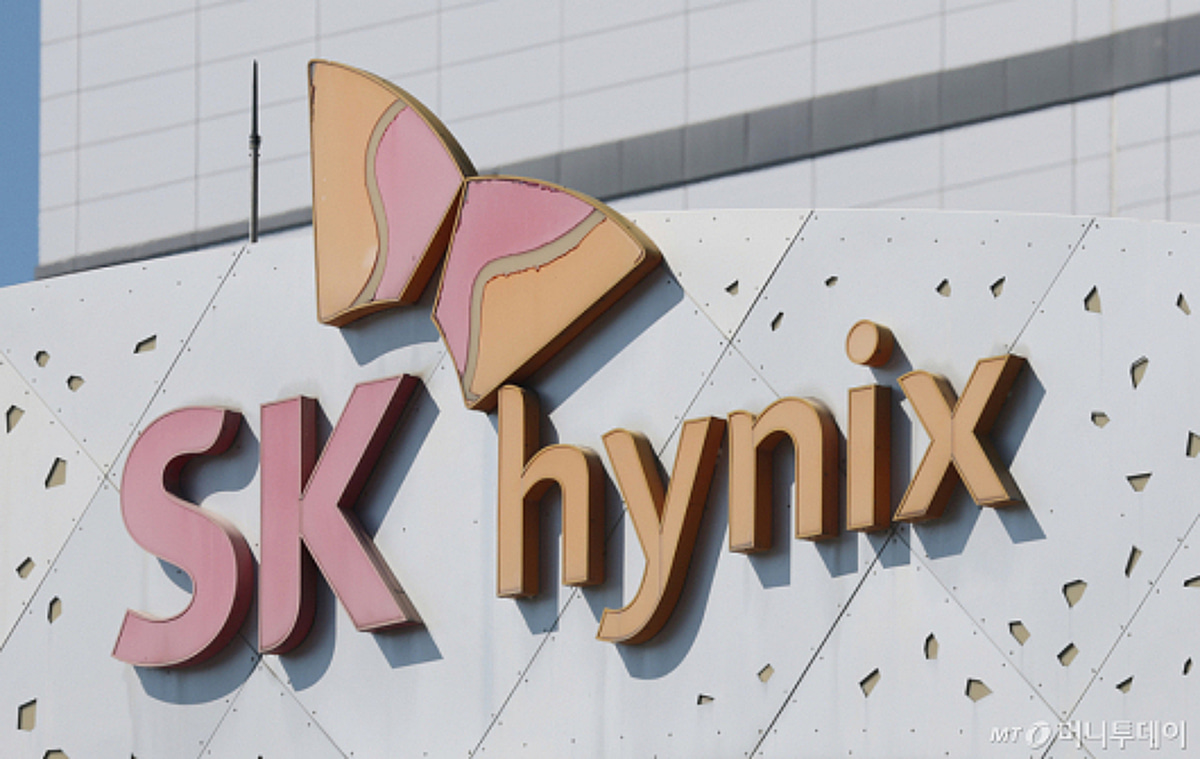
A leased factory, a rescued narrative
SK Hynix is reportedly in early talks with Intel about leasing the company’s unfinished Ohio semiconductor campus and running memory-chip production there. The news, first reported by Reuters, sent Intel’s shares up more than 4 percent in regular trading and another percent after hours on September 16. Both companies declined to confirm specifics, but the market already priced in what a deal would change.
For Intel, the Ohio site is a $100 billion bet that has yet to produce a single wafer. Announced in 2022 alongside a wave of CHIPS Act optimism, the project promised to bring cutting-edge logic manufacturing to the US Midwest. Five years later, the fabs are only partially built, the timeline has slipped, and the financial weight of carrying two mega-sites alone is becoming untenable. A Korean tenant would not just generate rent — it would signal that Intel’s American expansion is salvageable.
For SK Hynix, the move is far more consequential. It would be the first time a Korean memory maker operates a fabrication plant on US soil at this scale. SK Hynix has spent years expanding in Korea and India; its most visible American presence has been R&D offices and limited packaging operations. A leased Ohio fab would upend that posture almost overnight.
Who wins, who loses
Intel wins the most obvious thing: cash flow relief. Even a partial lease of the Ohio complex would cover a meaningful chunk of operating costs and give the company breathing room to continue its own foundry ambitions without shouldering the full burden alone. Reuters cited the possibility of a joint venture structure that would bring Intel’s cloud-computing customers into the mix as well, which would diversify risk further.
SK Hynix wins access. American customers, particularly in AI and cloud infrastructure, increasingly prefer supply chains located in friendly jurisdictions. Having memory chips produced in Ohio would give SK Hynix a credibility edge over competitors who remain solely overseas. It also positions the company closer to the US government’s procurement and subsidy apparatus — something that matters as CHIPS Act enforcement tightens.
The Korean government likely loses leverage. Reuters quoted sources suggesting Seoul could oppose the deal on grounds of technology transfer risk. Memory-chip design and manufacturing expertise is one of South Korea’s most guarded strategic assets. Moving that capability, even partially, to US soil raises questions about whether know-how will eventually migrate further down the value chain. There is also a political cost: President Lee Jae-myung has publicly urged Korean chipmakers to concentrate investment in a proposed southern semiconductor cluster, and a major Ohio commitment would pull resources and attention away from that plan.
America wins the narrative, at least temporarily. The CHIPS Act has struggled to demonstrate results since its passage. Projects delayed, subsidies uncertain, and public skepticism growing, a Korean lessee moving into an Intel factory would be one of the first tangible signals that American semiconductor policy is producing actual output rather than press releases.
The costs and the politics
Several structural obstacles remain. Manufacturing in the US is significantly more expensive than in Korea or Taiwan, a point Reuters noted explicitly. Labor, compliance, and construction costs in Ohio will be higher than SK Hynix’s home bases, compressing margins in the early years. That is a familiar problem for the CHIPS Act — subsidies help, but they rarely erase the gap entirely.
Political friction is equally likely. Howard Lutnick, the US Commerce Secretary, has floated tariffs of up to 100 percent on semiconductors produced outside allied countries, a stance that would reward exactly the kind of American-site production SK Hynix is considering. But Washington and Seoul do not always see eye to eye on technology controls aimed at China, and any deal will be scrutinized through that lens. If SK Hynix brings advanced memory process know-how to Ohio, the question will be how far that knowledge can eventually travel — and whether US authorities will allow it to.
There is also the question of timing. Intel’s Ohio site was supposed to begin production in 2025. It has not. Any lease arrangement would need to account for what is already built, what is not, and who pays for the remaining construction. That complexity makes a quick deal unlikely, even if the strategic logic is clear.
What happens next
If SK Hynix and Intel reach a formal agreement, the ripple effects will extend well beyond Columbus, Ohio. Korean rivals like Samsung Electronics will face pressure to consider similar American operations, accelerating a trend that has been slow to materialize. US policymakers will point to the deal as vindication of CHIPS Act incentives, even as questions persist about whether subsidy-driven manufacturing can ever be truly competitive.
For SK Hynix, the strategic calculus is simple enough: staying out of America means losing access to the world’s largest semiconductor market on its own terms. Entering America means absorbing higher costs and political risk. The fact that the company is seriously exploring a lease — rather than building from scratch — suggests management is looking for the middle path: American presence without American-scale capital expenditure.
Intel, meanwhile, gets a reprieve it has needed for years. Whether the Ohio fabs eventually become a global hub for memory and logic alike depends on execution. The deal is promising. It is not yet done.