SK Hynix and Intel's US Memory Deal Rewrites the Chip Order
SK Hynix and Intel are exploring a joint production plan in Ohio that could produce memory chips on American soil for the first time. The move is as much about export controls as it is about supply chains.
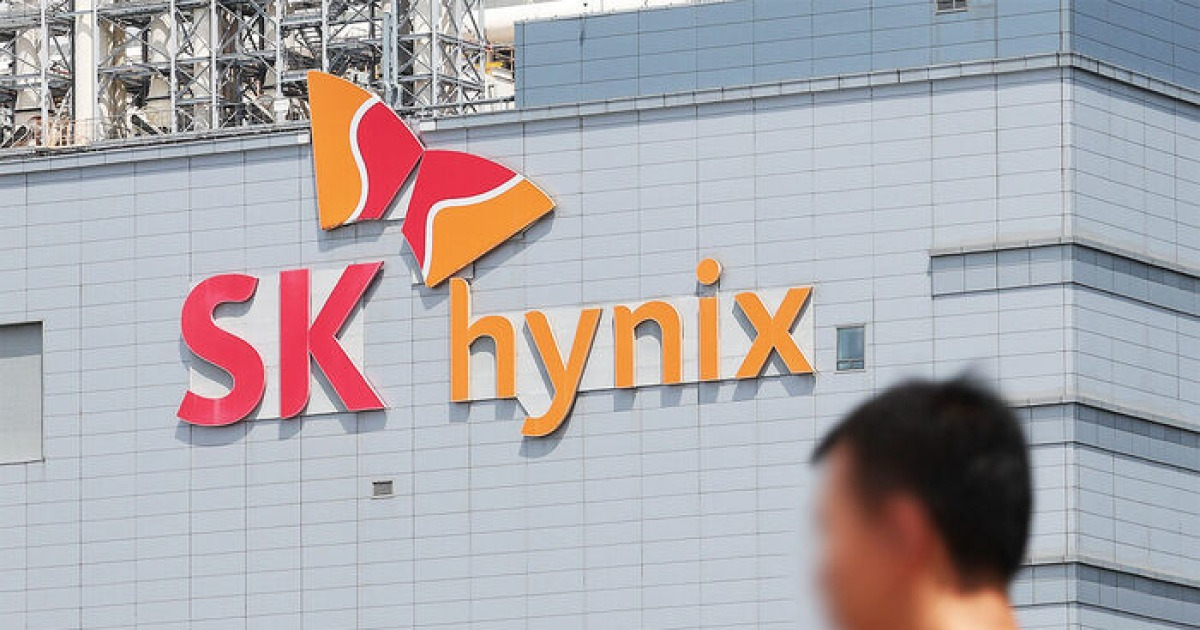
Memory chips meet American soil — again
SK Hynix and Intel are talking about making memory chips in the United States for the first time. The discussions, first reported by Reuters on September 16, are still preliminary, but the implications are already widening.
The most-discussed option has SK Hynix leasing part of Intel’s planned Ohio fabrication site. A second, more structural path involves SK Hynix and Intel, joined by major cloud companies, forming a joint venture. Neither has been finalized. Neither is trivial.
Memory chips are the workhorses of the AI economy. Without high-bandwidth memory built to the HBM standard, the most advanced AI accelerators slow down or stall. That is why this conversation is happening now, and why the parties involved include more than the two chipmakers at the table.
Who wins, and who does it complicate
SK Hynix benefits first. Its HBM line has been running near capacity, and its customers — Nvidia, AMD, and the hyperscalers — have been shopping for options beyond Samsung. A US-based supply path gives SK Hynix proximity to those buyers and a political hedge against tightening export controls on memory sold into China.
Intel gains a different kind of leverage. Its Ohio fabs sit mostly unbuilt. Having SK Hynix as an anchor tenant reduces the risk that the site becomes another white-elephant CHIPS Act project. It also creates a revenue line outside of Intel’s own foundry ambitions, which are still years from proving themselves at scale.
The hyperscalers win most of all. A second source for HBM near their American data centers shortens a supply chain that has grown dangerously concentrated in South Korea and Taiwan. Google, Amazon, Microsoft, and Meta all have seats at this negotiation in ways that will shape the economics.
The United States government wins too, but conditionally. The CHIPS Act was designed to pull advanced chip capacity onto American soil. An SK Hynix-Intel arrangement, even if it relies on leased space, counts toward that goal. Export controls on memory chips, however, are the wrinkle.
The China problem is the real plotline
Here is what American reporters rarely connect: a US memory production deal and US China policy are now pulling in opposite directions. The US has been tightening controls on advanced memory chip sales to China. But if SK Hynix and Intel produce HBM in Ohio, those chips fall under US export jurisdiction. That means a different compliance architecture — and a harder line China can blame when American policy constrains its access.
Chinese buyers have historically sourced memory through Korean and Taiwanese channels that offered ambiguous end-use enforcement. A US-based SK Hynix facility removes that ambiguity entirely. Chinese procurers will either find other suppliers — Samsung, whose own US plans remain uncertain — or they will accelerate domestic production, which is years away from competitive HBM.
That acceleration matters more than most observers realize. China has been pouring state capital into memory chip programs, with changes in leadership and strategy since 2024. A US-based Korean memory plant pushes Beijing to treat this as an urgent national security gap, not just an industrial policy project.
What the Ohio site means in practice
Intel’s Ohio complex was announced as a multi-fab campus. The original plan called for Intel to operate everything. Leasing a portion to SK Hynix is a practical retreat from that monolithic design. It also follows a pattern seen elsewhere in American industrial policy: governments subsidize the shell, private firms fill it.
The lease structure will determine how much influence SK Hynix retains over its own manufacturing secrets. Memory design, especially HBM stacking and testing, is proprietary. A shared facility creates exposure. That is why the joint venture option matters — it gives SK Hynix a corporate vehicle that can negotiate IP protections and operational autonomy outside a simple landlord-tenant relationship.
No timeline has been disclosed. SK Hynix has not confirmed the talks. Intel has not commented. The earliest any production could begin is mid-decade, given the construction cycle for advanced fabs and the regulatory reviews that will follow.
What happens next
Watch three signals in the coming months. First, whether any major cloud company is named publicly as part of the JV — their involvement would be the strongest evidence this is moving from talk to contract. Second, whether the US Commerce Department signals whether US-origin HBM would face stricter export licensing for China than Korean-origin HBM currently does. That question alone will shape pricing and customer decisions. Third, whether Samsung responds. A competitor staying silent is unusual in memory markets; silence here likely means Samsung is working its own version of the same strategy.
The more consequential signal is what this deal says about the post-TSMC world order. For decades, Taiwan made the assumption that American policy could rely on a single ally for advanced logic and memory. That assumption is now fractured. Memory capacity is splitting between Korea, Taiwan, and increasingly, the United States. Each node adds resilience and adds friction. Both are true at once.
For China, the takeaway is straightforward: the window for accessing advanced memory through non-American channels is narrowing. The US-based arrangement may ultimately tighten the noose even more than current export controls, because it changes the origin of the product — and origin, in semiconductor policy, is where the law draws its lines.
This is not a finished deal. It is a pivot point. And pivot points tend to look small before they look historic.