Sony Music Bought Gree, Not Just a Stake — Its Mobile Gaming Play Starts Now
Sony Music's ¥28.6 billion stake in GungHo gives it a foothold in Japanese mobile gaming and a pipeline for its own IP. What this deal says about where entertainment giants are heading next.
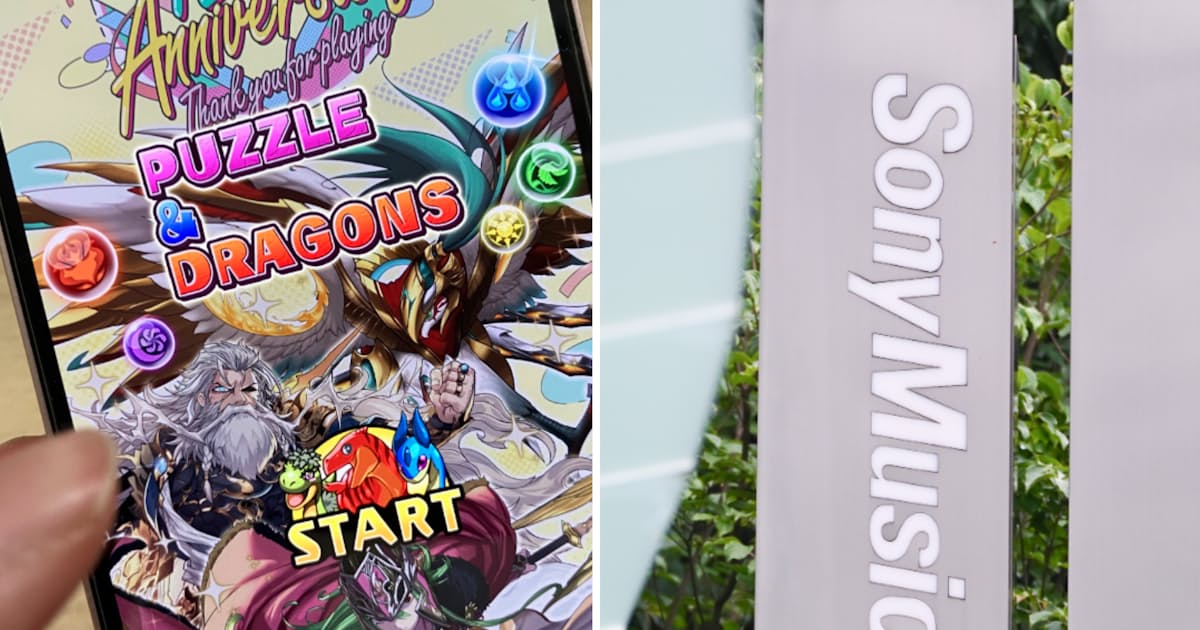
Sony Music Has Entered the Japanese Mobile-Game Room
Sony Music Entertainment, a Sony Group subsidiary, announced on August 28 that it will spend ¥28.6 billion to acquire a 22.9 percent stake in GungHo Online Entertainment, becoming its largest shareholder. The deal is modest in headline compared with the wild M&A splashes that have marked the sector over the past decade. It is almost certainly the most consequential one happening quietly.
On its face, this looks like a financial investment. On closer inspection, it is a content strategy masquerading as one.
What Sony Music Actually Gets
Sony Music’s core business is music. It has built an impressive animation and IP empire through Aniplex — Fate/Grand Order, Demon Slayer, and a deep catalog of anime adaptations. But the company has long operated in a structural gap: most of the IPs it adapts and produces belong to someone else. The manga rights sit with publishers. The game rights sit with developers. Sony Music is a middleman with world-class marketing muscle, not a true owner of game IP.
GungHo changes that calculus. Through its biggest title, Puzzle & Dragons, it has proved it can build and sustain a live-service mobile juggernaut. More importantly, it is currently starved for new hits. Net profit for the fiscal year ending December 2025 came in at a mere ¥1.4 billion — down 98 percent from its 2014 peak. The company has no publicly disclosed guidance for the current fiscal year. Its CFO, Kazuya Sakai, took over as president in February after steering cost-cutting measures that included shelving unprofitable titles.
In short: GungHo has the platform but is running out of gas. Sony Music has the IP pipeline but no direct game-development capability. Neither can solve their problem alone.
What’s Already Happening Before the Deal Closes
The two companies have been collaborating for years. Sony Music’s Aniplex property Fate/Grand Order has already had Puzzle & Dragons tie-ins, and GungHo has featured characters from Sony Music-produced anime in its game. Those were loose licensing deals. This stake transforms the relationship into something closer to a partnership with teeth — shared development priorities, coordinated content calendars, and a direct financial interest in each other’s success.
Sony Music said the investment will be used to advance joint game development and collaboration around Puzzle & Dragons. It also flagged that it will explore developing games using Sony Music-owned IP going forward. That last line is the one to watch. Sony Music has never had a major self-owned game IP before. If this deal accelerates that ambition, it could reshape how the company thinks about its own catalog.
Why GungHo Needed This
GungHo built an empire on Puzzle & Dragons, released in 2012, which became one of the defining mobile games of its era. But nearly a decade later, it has no successor. The genre has moved on. The player base has fragmented. Revenue has cratered. Sakai’s cost restructuring was necessary but insufficient — you cannot cut your way back to growth when your core product is aging and your pipeline is empty.
The ¥28.6 billion investment arrives at exactly the right moment. It gives GungHo capital to fund development without immediate dilution pressures from public markets. It gives it creative resources — access to Sony Music’s anime IP and production capabilities — that it could never have built on its own. And it gives it a credible narrative to tell investors, even if it cannot currently produce a reasonable earnings forecast.
The Bigger Picture: Entertainment Giants Are Consolidating Into Games
This deal does not exist in isolation. Sony Group has been steadily tightening its grip on the intersection of entertainment and gaming for years. Earlier this year, it launched a ¥100 billion initiative to develop original IP, including the Hello Kitty franchise, signaling a clear intent to move beyond licensing borrowed properties. It has also been investing across the broader mobile-game ecosystem, from studio acquisitions to partnerships with Korean publishers.
What Sony Music’s GungHo bet represents is the next logical step: instead of licensing characters from external game titles, Sony Music is now acquiring a game company that can produce content bearing Sony Music’s own IP. The flow of value is reversing. It was always anime characters going into games. Now it could be Sony Music IP going into games built by Sony Music’s own partner.
Who Wins and Who Loses
Sony Music wins by gaining a direct channel into the mobile-game market without building development capability from scratch. It also gains a revenue stream from a profitable if diminished platform. Puzzle & Dragons still generates real money, even at a fraction of its peak.
GungHo wins by receiving capital, creative resources, and a breathing room it desperately needed. The alternative was slow decline or a more aggressive takeover by a buyer with less creative synergy.
Competitors lose by implication. Bandai Namco, Square Enix, and Konami all feel the pressure of a Sony subsidiary now owning a major Japanese mobile-gaming platform with direct access to some of the industry’s most valuable anime IP. The gap between pure game publishers and pure content holders is narrowing, and everyone else is watching.
Shareholders get an ambiguous picture. The investment is sizable but not enormous for Sony Music. GungHo’s financial recovery is uncertain. The deal’s upside depends entirely on whether cross-Promotion between the two sides produces new hits — and history suggests that combining IP with game development is harder than it sounds.
What Happens Next
Expect early announcements about Puzzle & Dragons content tied to new Sony Music anime properties. Expect GungHo to lean hard into the narrative that it now has a powerful content backer. Expect Sony Music to test whether its IP can sustain a mobile game on its own terms, rather than merely appearing as a licensed guest.
The ¥28.6 billion price tag is a down payment, not a finish line. If Sony Music and GungHo deliver even one new hit title in the next two years, this deal will look prescient. If neither side can produce something beyond incremental tie-ins, it will look like an expensive hedge against irrelevance.
The Japanese mobile-game market is not dying. It is consolidating. And Sony Music just bought a seat at the table.