Sony's 10% Disc Cut Is About Supply Chains, Not Going Digital
The 10% reduction in PlayStation disc output isn't about killing physical media — it's a supply chain recalibration as Sony manages the transition away from new-game discs while Microsoft opens its manufacturing floor. The real question is what happens to the collectors and publishers who built businesses on plastic.
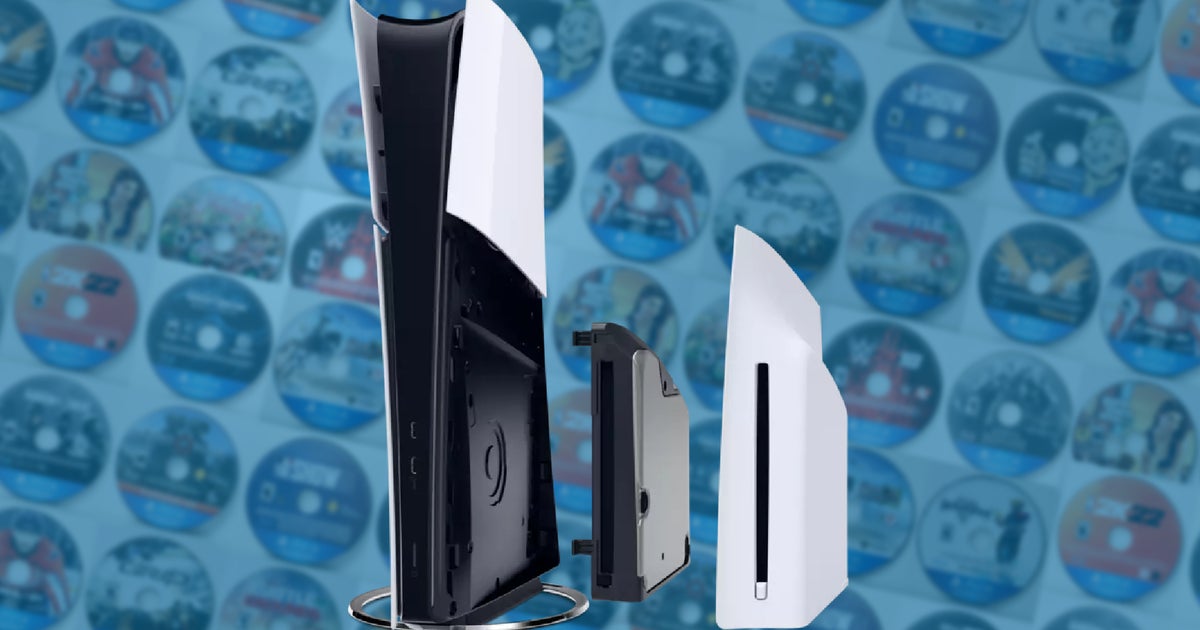
The Clarification That Wasn’t
Sony has done what it could: correct the record. A report claiming PlayStation disc manufacturing would be cut by 90 percent was, in fact, a misunderstanding of a 10 percent decline — a dip, not a collapse. But the correction itself reveals something more interesting than the rumor it tried to bury.
The 10 percent figure applies to 2028 only. Beyond that, Sony DADC said nothing. The spokesperson directed follow-up questions about reorders back to PlayStation’s PR team, which declined to answer. That silence is the story.
Sony announced in July that it would stop producing physical discs for new games starting in January 2028. Already-released titles and games scheduled for disc release before that cutoff remain unaffected. Reorders will continue. But the company has not explained what happens to the manufacturing infrastructure once the last new-release disc rolls off the line.
The Real Calculation
Let’s be clear about what the 10 percent actually represents. It is not Sony abandoning physical media. It is Sony managing the transition away from it while keeping the option alive.
Microsoft has already made its move. The company certifies third-party “Authorised Replicators” to press Xbox discs under publisher agreements, outsourcing production to a broader ecosystem of manufacturers. Sony, by contrast, keeps disc manufacturing in-house through DADC. The difference is structural, not just logistical.
The 10 percent cut reflects a recalibration of supply chain risk. As physical demand softens, Sony trims excess capacity — but does not shut the factory. The plant stays warm. The tooling remains. If demand returns, or if a new business model emerges, the infrastructure is still there.
This is a strategy of optionality. Sony is not closing the door on physical. It is keeping it slightly ajar while it figures out what comes next.
Who Wins, Who Loses
Niko Partners analyst Daniel Ahmad put it bluntly: cutting discs kills the resale market outright and pulls spending straight into the PlayStation Store, where Sony’s margins are considerably better than they are on a retail sale. That is the arithmetic everyone understands.
But the people who do not understand it are the ones building businesses on the physical side. Boutique publisher iam8bit, known for collector’s editions, told Game it would “absolutely love to find a way forward to continue making physical PlayStation games.” The door, as yet, remains slightly open — but there is no guarantee it will stay that way.
Conectiv Supply Chain Solutions, a Memphis-based disc manufacturer formed in 2025 that recently acquired Universal and Warner Bros.’ home entertainment distributor SDS, was floated as a possible alternative. Game reported it had not responded to inquiries at press time. The option exists, but it is not yet an option anyone is talking to.
Shawn Layden, former chairman of SIE Worldwide Studios, called the disc-free future “depressing, but solvable.” He also warned about brand impact in terms most corporate strategies ignore. “Someone also has to have a ledger there saying, ‘OK, what is the brand impact from that move?’” he asked. “Are people going to say, ‘Good move, you guys?’ Or are they going to say, ‘We hate you guys. Quit doing that.’ And sometimes they say, ‘We hate you.’”
The Collector’s Calculus
Layden went further, drawing a line between collectibility and the core identity of gaming. “Did you get all the diamonds in Crash Bandicoot? Did you get all the stars in Mario? And we like to collect our games. And we have a game shelf. And we put all our boxes up there.”
He described the hardcore collector who buys two copies — one sealed, one played. The steelbook. The three-disc Final Fantasy set. The figurine. “You can’t download any of that,” he said. “What happens to that?”
That question is not answered by margin analysis. It is answered by brand loyalty, by emotional attachment, by the difference between owning something and licensing access to it. Layden was blunt on ownership: “You’ve never been able to sell your iTunes library. And you can’t sell your PlayStation download library. So if you can’t resell it, do you really own it?”
The Collision
The current controversy is not one issue but two, and they are colliding. The first is Sony’s announcement that physical game support will stop for new releases in January 2028. The second is the end of major support for Destiny 2 and major staffing cuts at Bungie. Both are about endings — the end of physical media for new games, and the end of an era for one of gaming’s most dedicated communities.
During the State of Play broadcast, YouTube live chats were flooded with “NO DISC NO BUY” and “WE WANT DESTINY 3.” Twitch streams echoed with similar demands. The anger is not irrational. It is the frustration of a community that has built a relationship with a platform around certain assumptions — about ownership, about preservation, about what it means to support a game studio.
What Comes Next
No one knows what happens after 2028. Sony has not said. DADC has not said. The company that might fill the gap — Conectiv — has not responded. What we do know is that the 10 percent cut is not the end of physical manufacturing. It is a trim. A pause. A strategic hold.
The hybrid-console generation — the one that grew up buying physical games, collecting steelbooks, trading copies with friends — is approaching its final chapter. Sony is not ending it. It is managing the exit.
Whether that feels like enough to the people who built their gaming identity on plastic remains the question neither Sony nor anyone else has answered yet.