South Korea's Confirmation Culture Is Reshaping Presidential Power
The Blue House says it will let confirmation hearings decide two controversial cabinet picks. That may sound procedural — but it marks a quiet transformation in how Korean executives are held accountable.
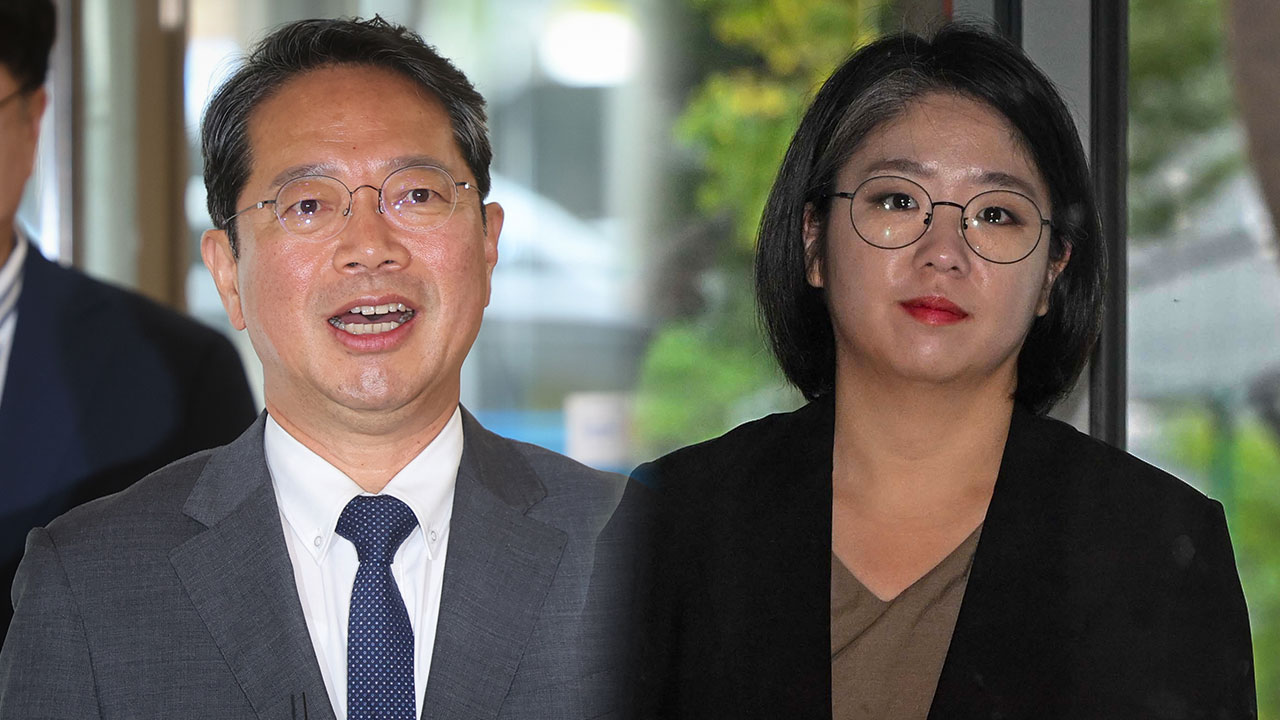
The Blue House is learning a new language: accountability.
South Korea’s presidential office dropped a carefully calibrated statement on September 10th that tells you everything about how far the country has come from the era of unilateral cabinet appointments. When controversy erupted over two ministerial nominees — Kim Seung-won, picked to lead the Justice Ministry, and Yong Hye-in, nominated for the new Ministry of Gender Equality and Family — the Blue House did not dismiss the questions. It did not assert that the president’s discretion was final. Instead, Senior Spokesperson Sung Ki-hong said the administration would let confirmation hearings run their course and then judge the nominees through the eyes of the public.
That sentence alone — “국민의 눈높이로 판단” — is a landmark. It concedes that the people have a seat at the table now.
The Kim Seung-won file: a prosecution case that didn’t stick
Kim Seung-won faces allegations that he improperly influenced the approval process for a new drug during clinical trials. The Blue House moved quickly to preempt the damage. Sung pointed out that the previous government’s prosecution service had already investigated the matter and ultimately decided not to indict Kim. In legal terms, that is a clean record. In political terms, it is an open question.
The distinction matters. A decision not to prosecute does not equal a finding of innocence — it means the evidence did not meet the threshold for indictment under the standards of the time. For a Justice Ministry nominee, that gap between legal clearance and public trust is precisely where confirmation hearings exist to live.
Sung’s framing suggests the administration believes the matter is settled. The hearings may convince otherwise. And if they do, the Blue House now has to answer for why a person with unresolved ethical questions about regulatory influence still made it to the nomination desk.
The Yong Hye-in dilemma: a lawmaker who won’t quit
Yong Hye-in’s controversy is structurally different and arguably more revealing. She is currently a member of the National Assembly. The ministry she would lead — Gender Equality and Family — is a newly created portfolio, which adds symbolic weight to whatever happens next. Under normal circumstances, a minister cannot simultaneously serve in the legislature. The question is whether Yong intends to resign her parliamentary seat before taking office, or whether she expects to hold both positions during the transition.
Sung’s response was notably indirect. When pressed on whether the Blue House had asked Yong about the concurrent-post issue at the time of her nomination, he declined to confirm or deny, calling it inappropriate to set conditions like “will you do this or that” before even announcing the pick. He characterized the issue as something Yong herself must resolve and explain to the public.
That is a deflection wrapped in procedural language. It is also a signal of the new constraints. In previous administrations, a president could name someone without publicly addressing the procedural mess their appointment would create. The confirmation culture removes that option. The public now expects the executive branch to have done its homework before the hearing even begins.
Who wins, who loses
The confirmation process wins. It gives lawmakers a formal mechanism to scrutinize nominees — and it gives citizens a publicly visible moment where the government’s choices are tested in real time. That is not a new concept in comparative terms; the U.S. Senate confirmation process has operated this way for centuries. But in South Korea, it is still provisional, still subject to political pressure, and still untested on high-stakes nominations.
The Blue House loses marginally — its ability to install preferred candidates without public scrutiny has narrowed. Sung’s insistence that the administration had no role in probing Yong’s dual-position status is technically defensible but politically naive. Nomination is an act of judgment. If you do not ask the hard questions before the announcement, you look either careless or deliberately obtuse. Both readings damage credibility.
Kim and Yong win nothing yet. They enter a process that exists to stress-test their qualifications. The drug-influence allegations against Kim will be examined by opposition lawmakers with incentives to make them worse. Yong’s parliamentary status will force a decision she may have hoped to defer. The hearings will reveal whether either nominee can articulate a coherent answer.
What happens next
The confirmation hearings for both nominees are expected to proceed in the coming weeks. If either fails to gain legislative approval, the Blue House will face a fresh round of scrutiny — this time over the selection process itself. Will the president nominate someone else? Will the opposition leverage the rejection to extract concessions on broader legislative priorities? The dynamics are already shaping up to be more contentious than the current row over the nominees’ backgrounds.
There is also a longer arc here. South Korea’s move toward confirmation culture is part of a broader recalibration of democratic norms that has gained momentum over the past several years. The current administration’s willingness to publicly acknowledge that the hearings matter — rather than treating them as a rubber stamp — is itself a signal. Whether that signal holds under pressure remains the real test.
The deeper implication
The most significant detail in the Blue House’s statement may be the smallest one. Sung said the administration would judge “through the eyes of the people.” That phrase is not empty rhetoric in a country where public trust in institutions has repeatedly been tested. It acknowledges that legitimacy now flows from transparent process, not from the authority of the office alone.
For English-language readers accustomed to confirmation cultures in other democracies, South Korea’s evolution may seem familiar. For those who have followed the country’s democratic journey, it is worth noting how recently this point was unreachable. The Blue House no longer says “the president decides.” It says “we will listen, then decide.” That is not nothing. It is the quiet work of institutional maturation — and it is still unfinished.