StarCraft's Open-World Shooter Pivot Is a Survival Bet
Blizzard's announcement of StarCraft as an open-world shooter in 2030 isn't just a reboot — it's a signal that the studio is willing to unlearn its biggest successes to stay relevant. The RTS genre's future hinges on whether this reinvention can recapture magic.
The StarCraft Announcement That Changes Everything
The press release said what we all suspected: StarCraft returns in 2030, but not as the real-time strategy game that defined an era. It’s being reimagined as an open-world shooter, a genre choice that reveals more about Blizzard’s current position than any corporate statement ever could.
This isn’t merely a franchise revival. It’s a bet that Blizzard understands which way the wind is blowing — even if that means abandoning the very mechanics that made StarCraft legendary.
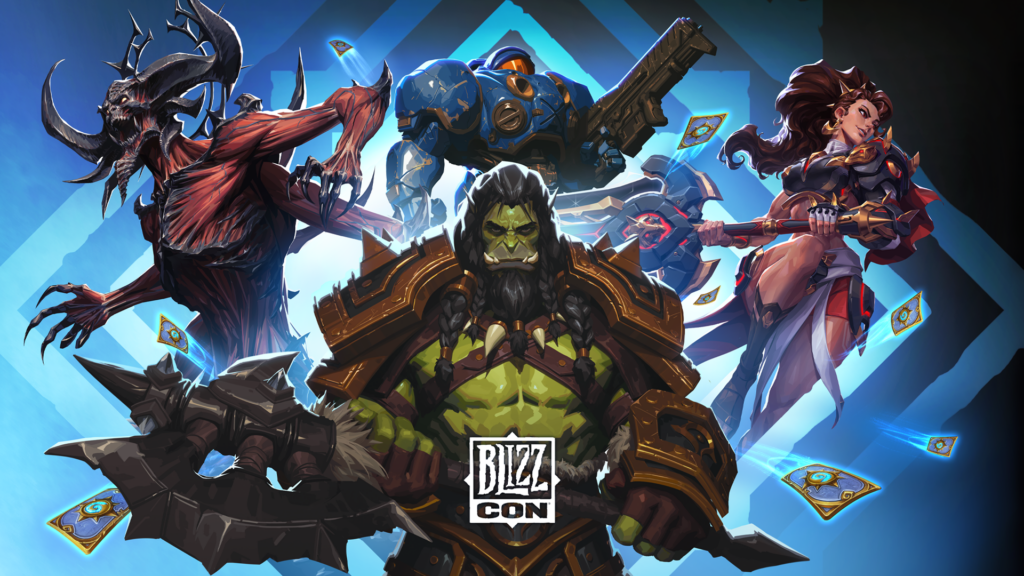
The announcement landed during BlizzCon 2026’s flagship keynote, positioned as the evening’s closer after a string of reveals that collectively signaled a studio reinventing itself. What made this moment striking wasn’t just the IP itself — StarCraft has carried cultural weight since 1998 — but the sheer audacity of the pivot. The studio isn’t asking fans to revisit the universe they love; it’s asking them to trust that the universe can survive a genre transplant.
Why This Pivot Matters
StarCraft II’s competitive scene peaked and then quietly dissolved. Real-time strategy as a mainstream force has been declining since the mid-2010s. The genre’s most complex entry points — resource management, base building, micro-intensive unit control — have been steadily replaced by simpler, more accessible live-service experiences. Blizzard recognized this shift before anyone else did.
By transforming StarCraft into an open-world shooter, the studio isn’t betraying its RTS heritage. It’s acknowledging that the market for traditional RTS games has contracted to a niche audience while shooter mechanics dominate player habits. The question isn’t whether this pivot makes sense commercially. It’s whether it can preserve what made StarCraft compelling in the first place.
The decline of RTS isn’t abstract — it’s measurable. League of Legends and Dota 2 absorbed the multiplayer strategic audience that once fed StarCraft II’s ladder. Battle royales and extraction shooters claimed the competitive adrenaline segment. Open-world looter-shooters built persistent engagement loops around progression systems that traditional RTS matches, with their clean start-and-finish structure, simply can’t match. Blizzard saw these currents and chose to swim with them rather than build a dam.
The Tension Between Strategy and Access
The real challenge here is narrative. StarCraft’s entire mythology — the Terrans, Zerg, Protoss — was built around strategic conflict. Players loved it because they felt like commanders, making decisions that determined the outcome of battles through tactical thinking rather than reflex-based shooting.
An open-world shooter framework fundamentally changes this dynamic. Players become operators within a world rather than orchestrators of war. The strategic depth that defined competitive StarCraft matches will either need to be rebuilt into systemic design or accepted as secondary to the shooter experience.
This is where Blizzard faces its greatest test. The studio has built empires on franchise reinvention before — World of Warcraft absorbed MMORPG mechanics, Diablo III introduced action-RPG combat. Each time, the core identity survived the mechanical transformation. The question now is whether StarCraft’s identity can withstand this particular leap.
What makes this pivot riskier than previous reinventions is the absence of a proven template. World of Warcraft didn’t invent MMORPGs. Diablo III didn’t invent action-RPGs. But open-world shooters with deep strategic underpinnings? That territory is largely unexplored at AAA scale. Games like Destiny 2 offer loot-driven progression without meaningful tactical decision-making. The Division series provides cover-based shooting without the commander perspective that defined StarCraft’s emotional core. Blizzard would be pioneering a hybrid that hasn’t been successfully executed.
What This Signals About Blizzard’s Survival
The announcement came alongside other significant reveals: Diablo V arriving in spring 2029, World of Warcraft launching three new expansion sets including Forever in November 2026, and Hearthstone introducing its first new playable class in six years. Taken together, these announcements paint a picture of a company playing defense through offense.
Blizzard isn’t waiting for market trends to arrive. It’s chasing them down. Every announcement feels calibrated to signal that the studio remains relevant in gaming’s current landscape, where live-service shooters, battle royales, and open-world experiences dominate player attention and spending.
This defensive posture actually makes strategic sense. The gaming industry rewards companies that can demonstrate they’re evolving rather than resting on legacy success. A stagnant franchise dies faster than one that disappoints. The alternative — clinging to RTGs that no longer capture market share — would have accelerated Blizzard’s decline into irrelevance. This pivot, for all its risk, signals a studio refusing to become a museum operator for its own catalog.
The timing also reveals something important about Activision Blizzard’s broader strategy under Microsoft’s ownership. With Xbox Game Pass reshaping how subscriptions work and first-party studios expected to drive recurring engagement, Blizzard’s old model of boxed releases and periodic expansions no longer fits. Live-service, open-world frameworks align perfectly with the subscription economy’s demands for constant content updates and sustained player retention.
The Market Reality Behind the Hype
StarCraft as a shooter won’t simply appear and succeed. The open-world shooter market is already saturated. Projects like Destiny 2, The Division franchise, and various first-person looter-shooters have carved out substantial audiences. Breaking into this space requires either exceptional execution or a hook that differentiates the experience significantly from what already exists.
The 2030 timeline suggests Blizzard has ample time to develop the game properly rather than rushing a cash grab. That timeline also means the game needs to be genuinely innovative in shooter design to justify the StarCraft brand association. Fans expect more than a reskinned Destiny clone with Terran factions.
Beyond differentiation, there’s the matter of production scale. An open-world shooter of this caliber will likely demand development resources comparable to AAA franchises like Call of Duty or Far Cry. For a studio that has faced layoffs and project cancellations in recent years, committing that level of investment to a single franchise represents a vote of confidence that may seem disproportionate. Unless Blizzard has restructured its development pipeline or consolidated projects to free up resources, the financial risk here is substantial.
What’s at Stake Beyond StarCraft
This announcement represents something larger than franchise revival. It’s a statement about whether beloved IP can successfully cross genre boundaries without losing what made fans love it in the first place.
If StarCraft’s open-world shooter succeeds, it proves that classic franchises can evolve beyond their original mechanics while maintaining emotional connection with audiences. If it fails, it reinforces the assumption that some IPs should remain preserved in their original form rather than aggressively modernized.
The broader RTS genre hangs in the balance too. A successful StarCraft shooter could draw new players toward strategy-focused experiences, potentially revitalizing interest in tactical gameplay. It might also inspire other publishers to take similar leaps with their strategy IPs. Alternatively, it could further marginalize pure RTS titles by convincing publishers that strategic elements belong in hybrid genres rather than dedicated strategy games — a second-order effect that could slow innovation within the RTS format itself.
There’s also a talent dimension worth noting. A project of this scope would attract developers who might otherwise gravitate toward competitors like Bungie, Massive Entertainment, or Ubisoft. Successfully executing this vision could reestablish Blizzard as a destination studio for designers interested in blending strategic depth with action-oriented frameworks.
Looking Forward
Blizzard has approximately four years to deliver on this promise. The studio has shown it can meet ambitious timelines when development aligns with quality goals, but 2030 is far enough away that anything could shift. Market conditions, player preferences, and internal priorities all remain fluid.
What’s certain is that Blizzard understands the stakes. The StarCraft announcement wasn’t made casually. It was positioned as a cornerstone reveal, suggesting the studio believes this franchise deserves continued investment despite industry headwinds. The real test will come not at launch but in the years that follow — whether the game can build a sustainable player base, maintain content cadence, and ultimately convince both skeptics and devotees that the pivot was necessary rather than reckless.
Whether that investment pays off depends on whether an open-world shooter framework can honor StarCraft’s strategic DNA while embracing shooter conventions. The answer will determine not just the franchise’s future, but potentially the RTS genre’s relevance in an increasingly action-oriented gaming landscape. One thing is clear: Blizzard has stopped treating its legacy as sacred ground and started treating it as raw material. That shift in philosophy, more than any game mechanic, will define what comes next.