StarCraft's Shooter Pivot Is a Quiet Funeral for the RTS
Blizzard's 2030 StarCraft shooter marks the franchise's biggest departure since the real-time strategy era. The shift reveals more about what's happened to the industry than what's coming.
The RTS didn’t die. It was moved.
Blizzard confirmed last week that a new StarCraft game is in development — an open-world shooter slated for release in 2030. The title is simply called “StarCraft.” No subtitle. No era designation. Just the name that defined a generation of competitive gaming, now attached to something that bears only the vaguest resemblance to the real-time strategy games that made it famous.
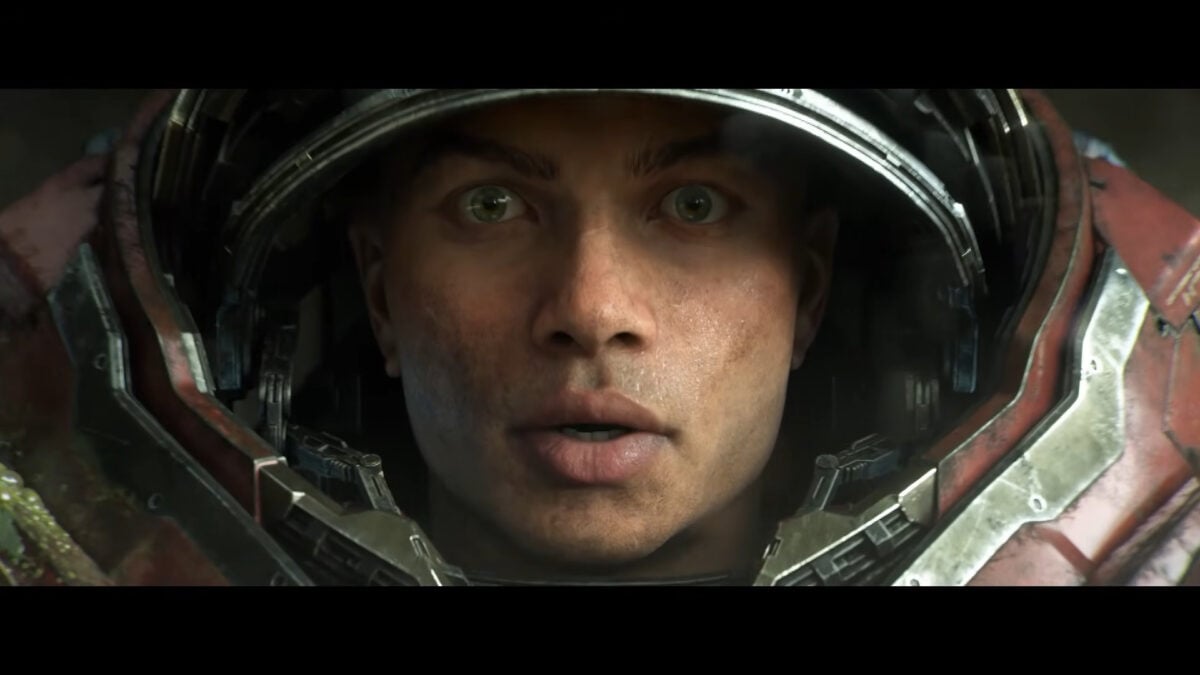
The reveal included a cinematic: recruits training for war against the Zerg Swarm, a motivational military speech, and a soldier named Holt whose weapon jams mid-combat before the scene cuts to his ruined power armor and intestines on the ground. It’s visceral. It’s generic. You’ve seen this sequence before.
What you haven’t seen is a single frame of actual gameplay, a strategic layer, or any indication of what makes this a StarCraft game rather than another sci-fi shooter with Zerg skinning. We have a date — 2030 — and a genre switch. That’s it. For now.
Ten years between new StarCraft games. A century between eras.
The last entirely new StarCraft game was StarCraft II: Wings of Liberty, released in 2010. StarCraft: Remastered followed in 2017 as a visual update to the original, not a new entry. That means Blizzard has gone nearly two decades without producing a genuine StarCraft game — and the first half of that stretch produced nothing at all.
This isn’t unusual for Blizzard in the live-service era. World of Warcraft launched in 2004 and is still going. Call of Duty has annual releases. But StarCraft occupied a different stratum. It wasn’t just a popular game; it was the game that made Blizzard synonymous with competitive depth, that built Korea’s esports infrastructure, that turned strategy into a spectator sport. The RTS genre carried Blizzard’s prestige.
Now that prestige is being translated into a format that requires no strategic literacy from its player base.
The open-world shooter is the genre that eats its competitors
Open-world shooters don’t compete with real-time strategy games because they share a design philosophy. They compete by absorbing the market. The audience that might have played a $60 strategy title with a steep learning curve now spends hundreds of hours in games like Destiny, The Division, or Ghost Recon — looter-shooters wrapped in open worlds, where progression is incremental and mastery is optional.
The shooter format is easier to scale, easier to monetize, and easier to hand to a wider demographic. It’s also a safer bet for a publisher that lost its appetite for risk after the Diablo III launch meltdown and the Overwatch 2 pivot. A real-time strategy game demands that players think ten steps ahead, manage resources, read opponents, and adapt under pressure. An open-world shooter asks you to find the thing that glows and shoot the things that move.
StarCraft was built on the former instinct. The new game is built on the latter.
The ghosts of Ares
This isn’t Blizzard’s first attempt at a StarCraft shooter. The project known internally as Ares was revealed in 2019 and canceled the same year after roughly a year of development. Industry reports at the time suggested the game was a third-person shooter with cooperative elements, leaning heavily into the StarCraft universe’s combat rather than its strategy. It was reportedly too ambitious for the team size available.
The current project, according to a 2024 job listing, is being led by Dan Hay, the former Ubisoft director behind Far Cry 5. That detail matters. Hay spent his career building open-world spaces designed for player expression and emergent storytelling — not tight, balanced tactical combat. His assignment is clear: take a franchise built on precision and rebuild it as a space built for wandering.
There’s nothing wrong with that, exactly. Far Cry 5 is a competent game. But competence at open-world design is not the same thing as the genius that made StarCraft great.
Who wins, who loses
The immediate winners are investors and shareholders. A major franchise IP with built-in recognition, moving into a genre with proven revenue models, targeting a 2030 release window — that’s a safer investment profile than greenlighting another RTS. The risk calculation favors expansion over innovation.
The losers are more abstract but real. They include the remaining RTS developers who watched their genre shrink while publishers redirected budgets toward live-service shooters. They include the Korean esports ecosystem that built an entire cultural infrastructure around StarCraft’s competitive structure. They include players who learned that games could demand intelligence rather than just reflexes.
And they include the StarCraft franchise itself, which will likely emerge from this exercise recognizable but unrecognizable — a name on a marquee rather than a promise of a specific kind of experience.
What happens next
Blizzard has eight years to deliver. That’s both a blessing and a curse. Eight years gives the team time to iterate, to course-correct, to potentially surprise. It also means the company has eight years to figure out whether it actually understands the StarCraft IP or merely understands that the name still has value.
The broader implication is harder to escape. The RTS genre is effectively dead as a mainstream force. StarCraft’s pivot to shooter format is not an anomaly — it’s a precedent. When the genre’s most iconic franchise concedes that its future lies outside its own DNA, the message to every strategy developer is unambiguous: your model doesn’t work anymore, and no amount of love for the genre will change that.
What’s left for RTS games? Niche titles like Age of Empires IV and Command & Conquer remakes occupy a small but dedicated space. Total War continues to find its audience. But the era of strategy games driving industry conversation is over. The open-world shooter won by attrition, not by design.
StarCraft will return in 2030. It will likely be competently made, financially successful, and fundamentally unrelated to the game that made the name matter. That’s not a failure — it’s a transition. The RTS didn’t die fighting. It was gently relocated into a format where it could survive, the way a language becomes a dialect, the way a dialect becomes a footnote.
Holt’s weapon jammed in that cinematic. Maybe that’s all any of us can do.