The Strait of Hormuz: The Real Linchpin of Iran De-escalation
Mediators are converging on reopening the Strait of Hormuz as the key to de-escalating the Iran conflict. But a clear waterway doesn't mean open commerce — and the real battle is over who controls the terms.
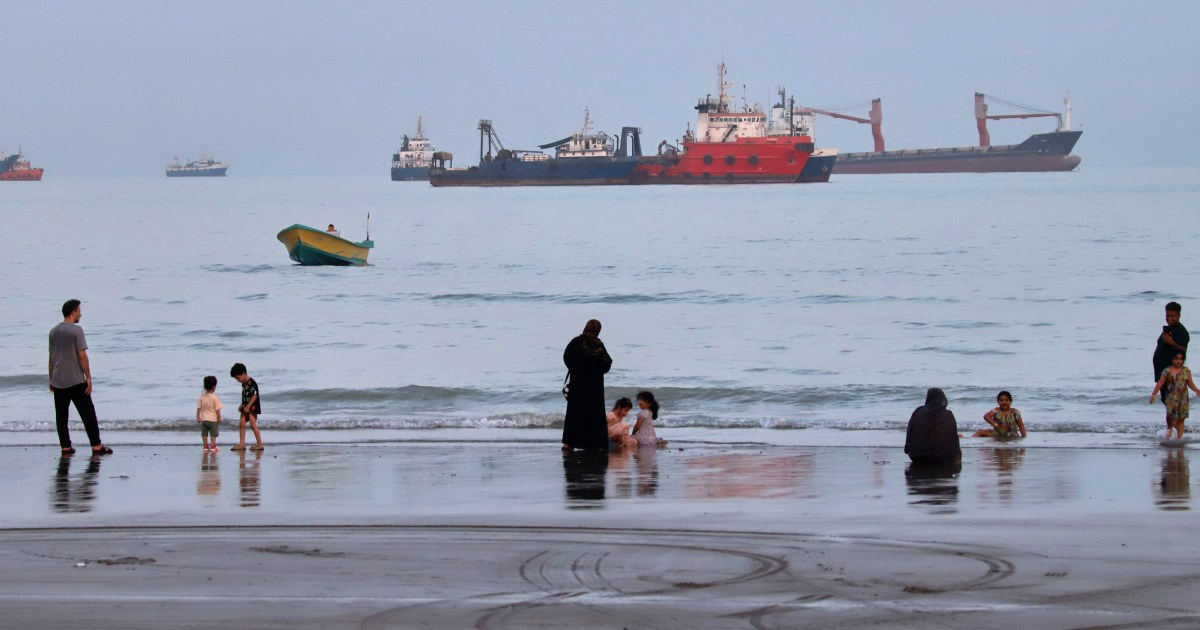
The Chokepoint That Controls Everything
The Strait of Hormuz isn’t just a waterway — it’s the single most consequential piece of real estate in the global energy system. Twenty percent of pre-war global oil supplies flowed through its 21-nautical-mile corridor before Iran threatened to close it. Now, six months into a war that began with U.S. and Israeli strikes, the strait has become both the primary weapon Tehran has wielded and the primary bargaining chip mediators are circling around.
The latest round of diplomacy, led by Qatari Prime Minister Sheikh Mohammed bin Abdulrahman Al Thani, marks a tactical pivot: instead of chasing a comprehensive deal, mediators are homing in on the strait as a test case for whether de-escalation is possible at all. Iran has agreed to draw up a list of conditions for reopening. The U.S. has disengaged from direct talks in favor of an economic pressure campaign. And the gap between them is vast enough to swallow any fragile ceasefire.
What the Numbers Actually Say
Admiral Brad Cooper of U.S. Central Command claims international shipping lanes are open and that 1,500 commercial vessels carrying nearly 750 million barrels of crude have transited the strait over recent months. But the data tells a different story.
Ship tracking services estimate activity at just 5% to 15% of normal volumes. Preliminary figures showed only seven commodity vessels transiting on Thursday — down from 17 the day before and below the ten-day average of 15. Cooper can clear sea mines. He cannot clear the threat that made insurers and shipowners flee in the first place.
The difference between a physically open strait and a commercially open one is the difference between a press release and a market. And right now, the market is waiting.
Iran’s Conditions — and What They Reveal
Mohsen Rezaei, secretary of Iran’s Supreme National Security Council, said Tehran has agreed with Oman on a shipping corridor through the strait, with parts in Omani waters and parts in Iranian waters. Ships would use a designated central channel if the U.S. met Iran’s conditions.
Those conditions have historically included an end to the U.S. blockade on Iranian ports, compensation, and removal of sanctions. It remains unclear whether Tehran intends to amend them. What is clear is that Iran sees the strait not as a shared global commons but as leverage — a prize extracted in exchange for concessions it wants Washington to make unilaterally first.
Iranian Foreign Minister Abbas Araghchi called the talks with Al Thani “creative” and renewed his appeal to the U.S. to stop pressure and resume negotiations. “Pressure doesn’t work,” he said. His foreign ministry later condemned new U.S. sanctions as “state terrorism” and urged other countries not to join them.
The phrasing matters. Iran is framing the dispute not as a regional conflict but as an act of unilateral coercion — and inviting the rest of the world to take sides on that basis. That’s a diplomatic play aimed as much at Beijing and New Delhi as at Washington.
The U.S. Gambit
Trump declared the June memorandum of understanding “over” on July 8 and has since cranked up economic pressure. The strategy is straightforward in theory: squeeze Iran’s economy until it bends on the strait. In practice, it has produced the opposite effect — harder Iranian positioning and a diplomatic vacuum that third parties are struggling to fill.
Qatar, a U.S. ally that helped broker the original ceasefire, is now doing the heavy lifting on both sides. The Qatari emissary pressed Iran on freedom of navigation while simultaneously keeping a channel open for Tehran’s demands. That dual role is why Qatar matters — and why the U.S. refusal to engage directly has made Qatar’s job infinitely harder.
The U.S. is essentially outsourcing diplomacy while waging economic war. It’s a strategy that works when your partner has something to sell. It works less well when your counterpart controls a chokepoint.
The Real Shift: Beyond the Strait
Here’s what the headlines are missing: Gulf states are already moving away from the strait as their primary export route. Saudi Arabia and the UAE are investing billions in alternative infrastructure — pipelines to the Red Sea, ports on the UAE’s eastern coast. Capacity is smaller. The economics are worse. But the strategy is clear.
If the strait becomes unreliable, even temporarily, the Gulf is building escape routes. That means long-term pressure on Iran’s own export dependence on Hormuz. It also means a gradual reduction in the strait’s strategic weight — which cuts both ways for Tehran.
Oil prices held steady on Friday but were tracking toward a weekly drop, analysts noting signs that more oil was flowing despite the diplomatic stalemate and that producers were adapting. Adaptation is the quiet story here. The war has accelerated a shift that was already underway: the Gulf diversifying away from Hormuz dependency, and the world diversifying away from Gulf dependency.
Who Wins, Who Loses
Iran wins if the strait remains its hostage — it extracts concessions without firing another shot. The U.S. wins if it can force Iran to reopen the strait on American terms while avoiding further escalation. Qatar wins if it can position itself as indispensable to whatever deal emerges. Gulf states win if they can complete their alternative infrastructure before the next crisis hits.
But everyone loses if the strait stays partially closed indefinitely. Shipping insurance costs rise. Global supply chains feel the pinch. China, the largest buyer of Iranian oil, watches its options shrink. India does the same.
The mediators are right to focus on Hormuz. It’s the easiest question with the hardest answer. But the real test isn’t whether ships can sail through it — it’s whether the powers that control it agree on what sailing through it actually means.