Supermassive's Layoffs Signal Horror Market Saturation
Supermassive Games is cutting 70 jobs less than six months after Directive 8020's launch. The move reveals how the mid-tier horror market has reached breaking point — even studios with franchise track records can't defend themselves.
The Cut That Isn’t About One Game
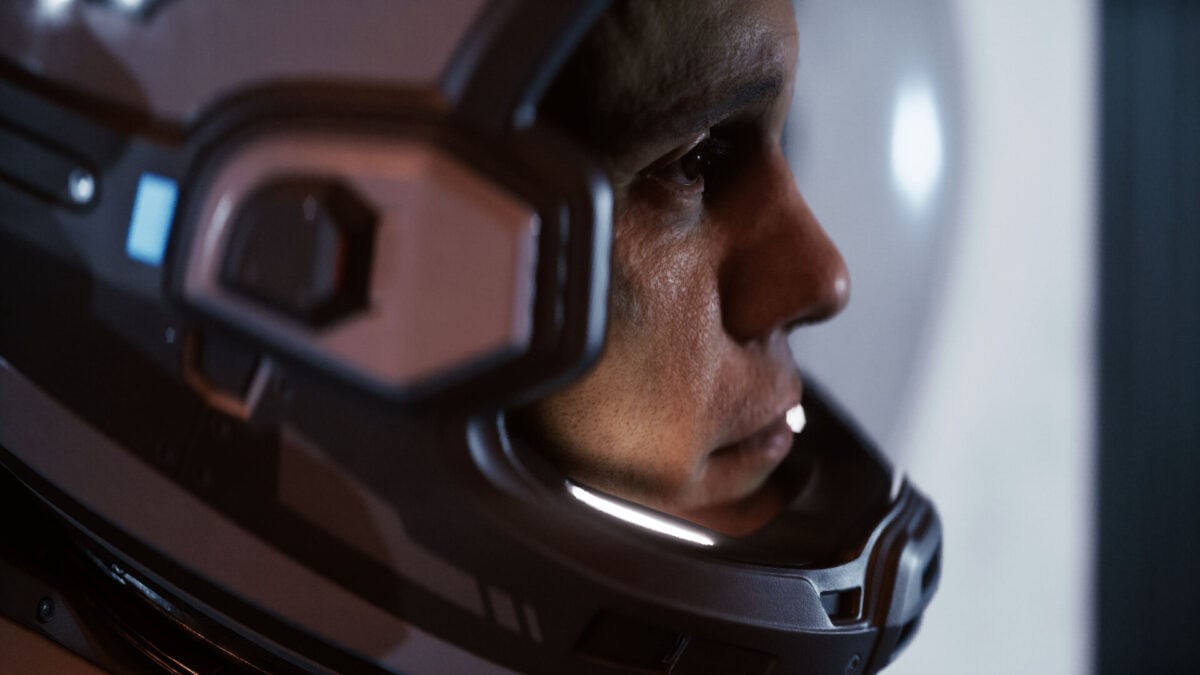
Supermassive Games is laying off 70 people. The timing is the story. Directive 8020, the studio’s sci-fi horror title, launched earlier this year to lukewarm reception — solid horror set pieces hamstrung by bad writing and a multiplayer feature that was nowhere to be found at release. Five months later, players are finally getting co-op back, patched in October. The layoffs arrived right on schedule.
Frank Tindle, the studio’s IT and Facilities Director, posted the news on LinkedIn on October 5. He’d been with Supermassive since 2010, when the company was a handful of people. He watched it grow to over 400. He’s now watching it shrink again.
“Any studio would be lucky to have them,” Tindle wrote, asking anyone hiring to DM him. “I’ll make the introduction.”
The quote is a small, human artifact from a larger erosion. It’s not just 70 people leaving a company. It’s 70 people who built an interactive horror genre becoming suddenly unemployable in the very category they defined.
A Genre Grew Up. The Market Didn’t.
Supermassive didn’t invent cinematic horror games — but it became their most consistent practitioner. The dark Pictures Anthology proved the model: episodic, choice-driven, emotionally manipulative in the best sense. Until Dawn turned that into a blockbuster-adjacent phenomenon in 2015. The Quarry and The Casting of Frank Stone kept the formula alive through 2022 and 2024, finding modest but dedicated audiences.
The formula worked because horror was underserved. Interactive storytelling was a niche. There were few competitors with the budget and polish Supermassive could bring. You built a game, you marketed it to horror fans, you shipped it.
That gap has closed. Every major publisher now has a horror label or a horror-adjacent title. Capcom keeps Resident Evil and Devil May Cry running as profit engines. Stray Gods, True Detective: Night Country, and a wave of indie horror titles have crowded the space. Players who would have bought any Supermassive game now have twenty alternatives.
Directive 8020 wasn’t a bad game. But “good enough” in a saturated market is functionally the same as “bad.” The marketing spend required to stand out has climbed. The window between announcement and launch has narrowed. By the time a game ships, the conversation has often moved on.
The Numbers Hide What Matters
Supermassive warned about the layoffs in August, framing them as “a necessary step to help ensure the sustainability of the company.” That phrasing is standard. It usually means revenue fell short of projections, and the gap was wide enough to threaten operations.
Here’s what the public numbers don’t show: Directive 8020 likely cost tens of millions to develop. Marketing probably matched or exceeded that. Multiplayer was missing at launch, which means co-op features were built, tested, and then abandoned for a patch cycle — a development cost with no commercial return. The game needed those features. Players needed those features. The studio couldn’t deliver them on time, and now it can’t afford to keep the people who built them.
This isn’t unique to Supermassive. It’s the structural problem facing mid-tier studios across every genre. When a flagship title underperforms, the math doesn’t work in your favor. You can’t scale down fast enough. You lay off, you restructure, you hope the next project lands differently.
Until Dawn Goes Elsewhere
Sony is keeping its most valuable IP — Until Dawn — but it’s not going to Supermassive. The sequel is in development at Firesprite, a PlayStation studio acquired in 2021. That’s a deliberate choice. Sony has learned, or is learning, that Supermassive delivers solid horror experiences at a price that doesn’t always justify the investment. Firesprite, with its First Party Studio status and closer alignment with PlayStation’s development cycles, is the safer bet.
Supermassive, for its part, remains independent — or at least, independent of Sony’s direct control. That independence comes with freedom but also with risk. When your games don’t break through, you don’t get the second chances that first-party status buys.
The Ripple Effects
The layoffs will echo beyond Supermassive’s walls. Former employees will disperse across the industry, filling seats at studios that may already be operating with leaner teams. That redistribution is technically positive — skills move where they’re needed — but it also depresses wages. When qualified horror developers are plentiful and employers know it, negotiating power shifts. Junior designers who spent years learning cinematic branching narrative structures may find themselves competing against veterans willing to take pay cuts simply to stay employed.
Publishers will take note, too. A mid-tier studio laying off staff after a single underperforming title reinforces a growing unease: the horror brand premium is collapsing. For years, slapping “horror” on a project carried implicit marketing value. Now it’s just another genre in a field thick with competition. Investors who once saw horror labels as safe bets may start pulling back, making future fundraising harder for exactly the studios that need capital most.
There is also a cultural dimension. Supermassive trained a generation of developers in interactive horror. People who worked on Until Dawn, The Quarry, and Dark Pictures moved on to other studios, carrying craft knowledge with them. That dispersal was once a net positive for the genre. Now it looks more like drain — institutional memory bleeding out of a company that can no longer sustain it.
What Happens Next
The 70 people leaving Supermassive will find work somewhere, mostly. The gaming industry hires and fires at roughly equal rates. But the signal this cut sends is unmistakable: the mid-tier horror studio model is under pressure. Not because horror is dying. Because the audience has grown faster than the economics supporting the creators.
Directors and producers who spent the last decade building interactive horror titles now face a market where “we made this before” is both a credential and a liability. Publishers want proven expertise but won’t pay for it. Players want fresh experiences but will only spend on titles with visible momentum.
Supermassive has shipped enough games to know how to survive this cycle. The question isn’t whether it will. The question is whether the companies hiring the people leaving today will offer better terms — or whether the entire sector is contracting faster than it can adapt. The horror market didn’t overflow overnight, and it won’t correct itself quickly. What’s collapsing here is not a genre but a pricing structure — the assumption that a mid-budget horror game could reliably reach enough players to justify its cost. Until that assumption is replaced by something sustainable, the layoffs will keep coming.