Taiwan bans short-selling as market crashes 17% in a week
Taiwan has imposed its broadest short-selling ban since 2015 after the TAIEX plummeted 17.5% in a single week. The move raises fresh questions about how Asian regulators will respond as contagion fears spread.
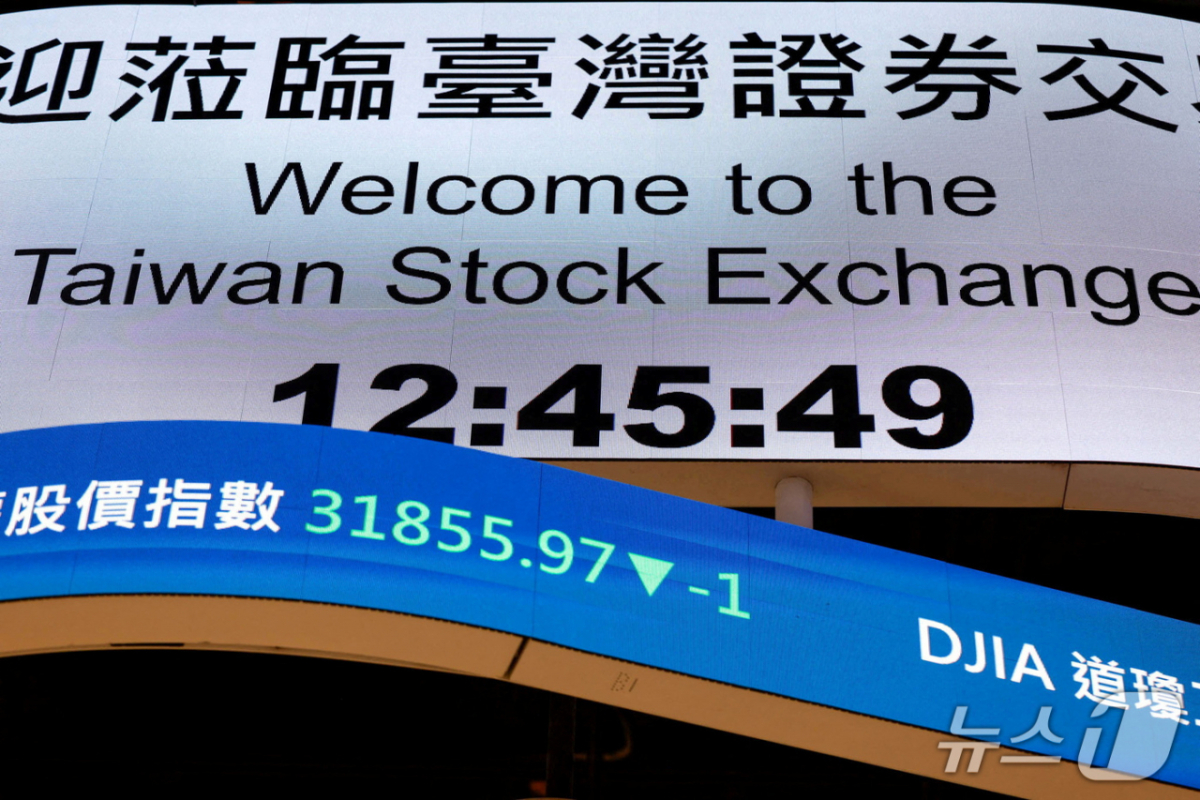
Emergency brakes pulled on Taiwan’s trading floor
Taiwan’s financial regulators banned short-selling below the previous day’s closing price starting Monday, a sweeping restriction that covers every listed stock, over-the-counter equity, and Taiwan Depository Receipt. It is the first time since 2015 that such a blanket measure has been deployed — and the stakes could not be higher.
The Taiwan Weighted Index has shed 17.5 percent in seven trading days, its steepest weekly decline in history. On Thursday alone the gauntlet index fell 6.23 percent, the largest single-day percentage drop in nearly eight months. AI-related weakness out of the United States has amplified the sell-off across the island’s technology-heavy exchange, with TSMC down 4.76 percent and Foxconn Industrial Internet down 6.5 percent on the same session.
Market participants who bet against those names on the way down are now trapped. Under the new rule, short orders must be placed at or above the prior day’s close. That effectively locks them into whatever price opens the next morning — and if sentiment continues to sour, there may be no buyers willing to fill those orders at all.
What the numbers tell you about desperation
Regulators did not stop at the short-sale freeze. The minimum margin requirement for short positions was raised from 130 percent to 150 percent. A deposit of 150 cents for every dollar borrowed is now required — a substantial increase that will force some speculators to liquidate positions immediately simply to meet the collateral threshold. The filing window for new put warrants has also been suspended, cutting off another vehicle that traders use to profit from downward moves.
These are incremental steps after two earlier interventions. On November 9, regulators restricted short-selling volumes and imposed price limits on select stocks. Five days later they expanded the price limits. Neither slowed the selling. By Monday evening, the decision had shifted from containment to full prohibition — a sign that authorities have run out of calibrated tools and are willing to pull the lever that affects every participant equally.
The TAIEX lost 7,641.83 points over the week, an absolute figure rarely matched even during the deepest crises of the past decade. To put that in perspective, the November 20 drop of 2,393.60 points was the third-largest intraday fall on record, yet the total weekly losses dwarfed both previous records combined.
Who gets hurt when the ban hits
Hedge funds and systematic short-sellers were the obvious target. But the costs extend further. Market makers that rely on short positions to hedge inventory exposure are now restricted in their ability to manage risk. Even bona fide arbitrage strategies that involve a short leg face new friction.
Institutional investors have been privately urged to return borrowed shares or halt new lending. A mass unwinding of share loans could temporarily depress available liquidity on both sides of the market. If many investors scramble to cover simultaneously, volatility spikes precisely when regulators want it to fall — a dangerous feedback loop.
Retail investors may find relief from what feels like aggressive selling, but they also lose one of the mechanisms that provides price discovery. When short interest drops to near zero, upside catalysts become harder to distinguish from noise, and valuations can drift toward levels that have little grounding in fundamentals.
The ripple across Asia
Taiwan does not exist in a vacuum. Korea’s KOSPI, Hong Kong’s Hang Seng, and Japan’s Nikkei all trade heavily in semiconductor supply-chain names linked to TSMC and its ecosystem partners. Any sustained stress on the island tends to flow directly into those indices within hours, not days.
South Korean regulators have faced parallel questions about their own short-sale circuit breakers during moments of volatility. Hong Kong’s Securities and Futures Commission has previously introduced temporary short bans without hesitation. Japan’s Financial Services Agency has broader statutory powers but tends to favor softer instruments first. None of these bodies is blind to what Taipei is doing.
If Taiwan’s ban successfully stabilizes the TAIEX over the next week — and there is no guarantee it will — Tokyo and Seoul may resist copying it, wanting to signal confidence in their own markets. If the index breaks lower anyway, the political cost of inaction rises sharply. Emerging Asian exchanges often converge on emergency regulation within days rather than weeks when peer jurisdictions move first.
A regulatory playbook or a panic response?
The distinction matters for investors pricing longer-term risk in the region. In 2015, China’s State Council invoked short-selling restrictions during the Shanghai crash. Those measures were rolled back once stability returned, and the episode became part of the informal playbook for how Chinese and Taiwanese regulators handle disorderly markets.
What makes the current round different is the speed of transmission. A global AI sentiment shock originating in California cascaded into a record-breaking weekly decline on the TAIEX in under five trading sessions. Regulators had already used volume caps and partial price controls twice and still watched the index tumble. The escalation to a full ban is consistent with crisis logic but raises questions about whether this tool works when the selling pressure is structural rather than speculative.
Short-selling restrictions remove one lever but do not change the underlying reason institutions are selling semiconductor names. That is a macro decision driven by earnings guidance, demand forecasts, and geopolitical positioning — none of which are fixed by requiring a short seller to quote at yesterday’s close.
What comes next
Expect further turbulence through at least early December as the ban enters its second week of operation. Traders will watch for three signals: whether the TAIEX halts its descent, whether institutional investors begin returning borrowed shares en masse, and whether any neighboring exchange announces matching measures.
For now, Taiwan has chosen the blunt instrument. Whether that stops the bleeding or simply redirects it elsewhere remains to be seen.