Take-Two's Sealed Subpoena Reveals How Big a GTA 6 Leak Can Be
Take-Two's second Discord subpoena is narrower and kept under seal, signaling a pivot from intimidation to precision after blowback over its initial request. The stakes extend far beyond catching a leaker.
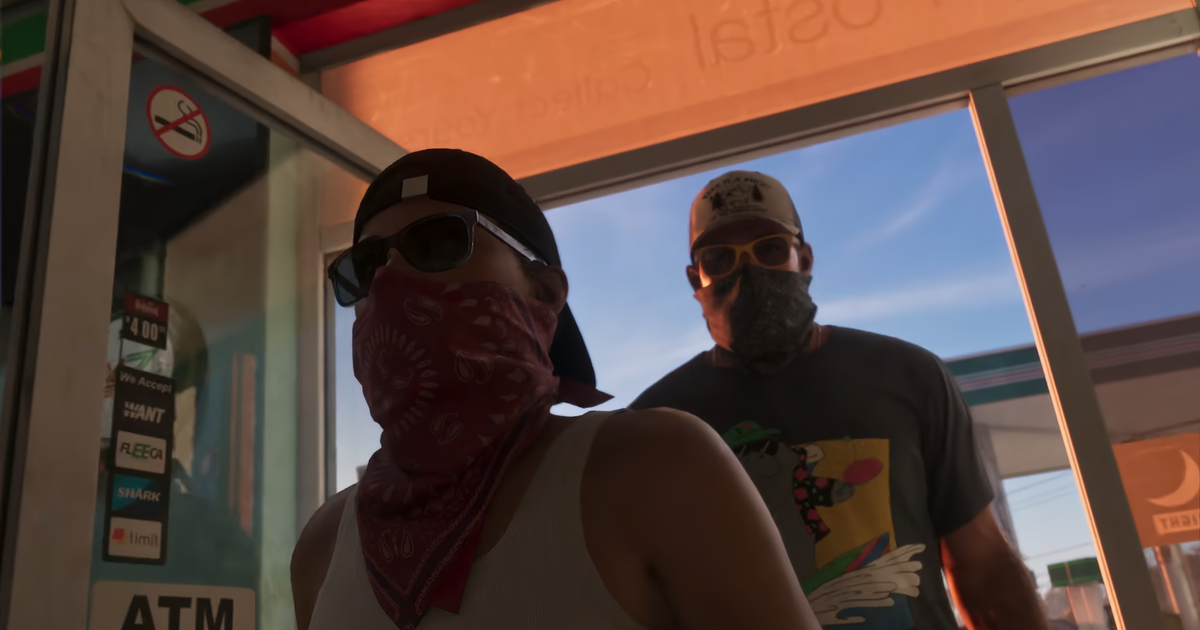
The Pivot From Indiscriminate to Precision Strike
Take-Two started its legal counteroffensive with a broadnet subpoena aimed at Discord, Microsoft, and X. It asked for data on hundreds of thousands of users across several servers where the leaked Grand Theft Auto 6 footage circulated. The public reaction was immediate and severe. Critics called it a digital dragnet that chilled free expression and set a dangerous precedent for how a corporation could weaponize private communications data. The gaming community, already on edge, saw it as a power play against ordinary players.
Now Take-Two is backing away from that approach. The new filing, submitted on August 28th, requests a subpoena that is both narrower and completely sealed from public view. It names one additional Discord user and seeks specific identifying information about another user already identified. The court documents do not reveal who any of these people are — redacted to the point of total anonymity. The justification is the same one Take-Two gave before: preventing the leakers from being tipped off. But the effect is different. A sealed subpoena means the public cannot scrutinize what information Take-Two is actually requesting. It means no journalist, no civil liberties group, and no court observer can hold the company accountable for the scope of the probe.
This is not a subtle shift. It is a deliberate recalibration born of pressure. Take-Two realized the first subpoena had crossed a line in public perception, even if it had not necessarily crossed a legal one. Now it is trying to get what it wants through a door with the curtains drawn.
What the Crypto Connection Changes
The leaks stopped just before Netflix premiered its extended GTA 6 gameplay showcase. That timing is not coincidental. The leaked footage was used to inflate the value of a bespoke cryptocurrency. Someone — or some group — cashed out, making approximately $270,000 in profit. This is not a case of bored teenagers sharing screenshots. It is a coordinated scheme that treated proprietary game footage as a financial instrument.
That distinction matters for the legal strategy. A leak driven by curiosity looks very different from a leak driven by profit in a courtroom. Take-Two has every incentive to emphasize the financial angle. It frames the case not as corporate overreach but as the pursuit of criminals who stole intellectual property and sold it for personal gain. The sealed subpoena supports that framing. Public disclosure of the first request would have invited scrutiny of the company’s methods. Keeping this one hidden avoids that problem entirely.
The crypto angle also raises a question no one has answered publicly: who benefited beyond the immediate leakers? Was this a small group acting independently, or were there intermediaries, wallet holders, and market makers involved in moving and legitimizing the proceeds? Take-Two’s pursuit of individual Discord users suggests the focus is narrow so far. But the money trail runs deeper than any single account.
Discord’s Position Is Still Unclear
After the first subpoena, Discord stated it had not yet been formally served and would evaluate the validity and scope of any future request before responding. That language is deliberately noncommittal. Discord has a long history of resisting government and corporate demands for user data. It published transparency reports showing it complied with only a small fraction of requests from law enforcement and third parties. The company positions itself as a privacy advocate, even if the reality of its moderation practices is more complicated.
Take-Two’s decision to keep the second subpoena sealed may be partly about avoiding a public fight with Discord. If the terms are visible, Discord can critique them openly. If they are hidden, the company has to respond without knowing the full scope of what is being asked. That puts Discord at a disadvantage. It also raises the possibility that the request includes metadata or information that Discord would normally resist handing over without a public legal standard to measure it against.
A judge has not yet approved the sealing request. If denied, the details become public record. That outcome remains uncertain. Courts tend to grant sealing requests in cases involving ongoing investigations, particularly when tipping off suspects is a legitimate concern. But the precedent this sets — a video game publisher obtaining secret legal process against a messaging platform — is worth watching closely.
The Stock Market Was Already Pricing In the Leak
Before the leaks, investors had been treating the GTA 6 reveal as a binary event. A polished, controlled reveal would send shares higher. A botched or premature leak would send them lower. The leaks disrupted that calculus entirely. Take-Two was forced to accelerate its announcement strategy, ultimately partnering with Netflix for the gameplay showcase rather than holding its traditional standalone presentation. That pivot itself was a signal — the company was reacting to a situation it did not control.
The legal pursuit of the leaker is now part of that same narrative. Investors want to see Take-Two demonstrate that it can protect its intellectual property and punish those who violate it. A sealed subpoena is a quiet way to do that. It avoids the optics of a bullying corporation going after gamers while still applying pressure. The market does not need to see the details. It needs to see results.
What Comes Next
The GTA 6 leak subpoena spiral reveals how fragile the intersection of gaming IP law, platform liability, and investor expectations really is. A single coordinated leak, motivated by cryptocurrency profit, forced a publisher into an accelerated reveal strategy, triggered a lawsuit, and exposed the limits of Discord’s privacy posture when confronted with a corporate entity willing to go through sealed court orders.
Take-Two is no longer asking for a dragnet. It is asking for a scalpel. Whether that scalpel is wielded carefully or used to carve deeper into user privacy depends on a judge who has yet to rule. What is clear is that the company has learned from the backlash and is adapting its tactics accordingly. The sealed nature of the request ensures that the public will not see exactly what it is asking for. The next move belongs to the court.