Tesla's 3 Million-Unit Recall Exposes the Dangerous Illusion of Hidden Door Handles
China's largest-ever auto recall forces Tesla to address a design flaw that may have killed at least 15 people in crash fires. The emergency handle issue is forcing regulators worldwide to rethink EV aesthetics.
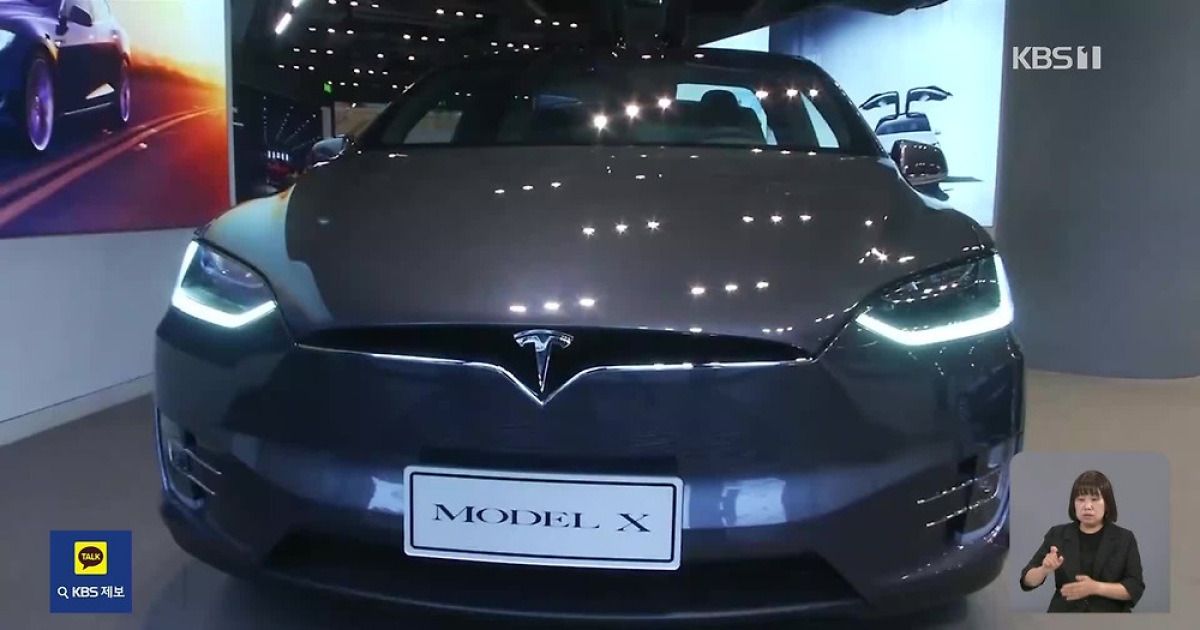
The Handle Problem No One Wanted to Admit
Tesla is recalling nearly three million vehicles in China — the largest auto recall in the country’s history — and the reason is almost embarrassingly simple. After a crash, when power dies and electronic door handles fail, occupants should be able to find a mechanical emergency release. In Tesla Model 3 and Model Y vehicles, that release is nearly invisible.
The emergency handle blends into the interior trim. It is the same color as the surrounding paneling. In a panic situation — particularly one involving smoke, fire, or disorientation — that subtle design choice becomes a lethal ambiguity. The Chinese market supervision administration called it out directly: the handle’s poor visibility can delay escape and hinder external rescue efforts.
Bloomberg’s reporting adds the human cost behind the recall figures. Over the past decade, at least fifteen people have died in Tesla vehicles struck in collisions where the doors would not open afterward. The number is a floor, not a ceiling — crash reports without publicized fatalities are harder to trace, and not every entrapment results in death.
China itself has suffered a parallel tragedy. Last year, a Xiaomi electric vehicle caught fire after an accident. Rescuers could not reach an unconscious occupant in time. The Xiaomi incident involved a different mechanism — a fire rather than a pure latching failure — but the underlying lesson is identical: when EVs lose power in a crash, the assumption that doors will open is dangerous.
What the Recall Actually Does
The measures Tesla and eight other manufacturers — including Xiaomi, Xpeng, Geely, and ZEEKR — are adopting are incremental rather than structural. Starting next month, affected vehicles will receive warning labels at no cost to indicate where the emergency handle is located. A wireless over-the-air update will also configure cars to automatically lower windows when a collision is detected, buying time for escape.
Critics note that neither measure changes the fundamental problem. The handle remains where it is. The design logic stays intact. This is damage control, not redesign.
That distinction matters because it signals where the industry stands right now. Tesla and most premium EV makers have spent years optimizing for aerodynamic efficiency and minimalist aesthetics. Flush, pop-out door handles reduce drag and create clean side profiles. They are visually striking and technically functional under normal conditions. But they encode a latent risk that only reveals itself in the post-crash seconds that matter most.
China Moves First. The U.S. Follows.
China is already legislating around the problem. Starting in January next year, the country will ban externally mounted flush door handles on new vehicles. That is a sweeping design prohibition — not a labeling requirement, not a software patch, but an outright ban on the category of handle that caused this recall in the first place.
The United States is moving in a similar direction, though more cautiously. The National Highway Traffic Safety Administration proposed a new federal standard last month requiring every vehicle to have an emergency exit device. It stops short of mandating a specific mechanism, but the intent is unmistakable: the era of assuming doors will open after a crash is ending.
These are not isolated regulatory impulses. They reflect a broader reckoning within the automotive safety establishment. For decades, conventional internal combustion vehicles have used mechanical door latches that survive power loss. Pull the handle, the latch releases. It is a simple, visible, low-tech system. EVs disrupted that chain — not because electricity is inherently dangerous, but because the industry chose sleekness over fallback architecture.
Why Tesla Got Caught in the Crosshairs
Tesla did not invent flush handles. But it popularized them in the premium EV segment, and it did so with a particular design philosophy: minimize physical controls, maximize digital interfaces, trust software to replace hardware redundancy. The company’s stance has always been that its vehicles are safe by design — that sensors, crumple zones, and battery protection make catastrophic scenarios unlikely. That argument holds in most conditions. It fails catastrophically in the narrow window between impact and fire.
The 2.98 million Tesla units targeted in this recall represent roughly eighty percent of the total 4.3 million vehicles affected across all nine manufacturers. Tesla is both the primary defendant and the most prominent one. Its brand carries the aesthetic that the rest of the industry followed.
That visibility cuts both ways. It makes Tesla the face of this problem globally. But it also means any corrective path the company takes — even the tepid labeling and OTA approach currently planned — will set expectations for every other manufacturer facing the same regulatory pressure.
The Bigger Signal
Three million recalled vehicles is a number that sounds abstract until you consider what it means on the ground. These are not defective batteries or faulty airbags. These are cars that work fine, drive fine, look fine — and could trap you inside them when you need them most.
The recall will begin next month and roll out gradually. Warning labels are cheap. OTA updates are free. Changing the actual handle mechanism would be expensive and would require retooling production lines already optimized for the current design. No manufacturer is likely to do that voluntarily.
Regulation will force the change. China’s January ban on external flush handles is the first hard line. The U.S. NHTSA proposal is the second. Together, they mark a shift from post-incident remediation to pre-incident prevention — the regulatory equivalent of closing the door before the house catches fire.
For Tesla, the recall is reputational damage with a price tag measured in software engineering hours and adhesive labels. For the industry, it is a reminder that in EVs, the most dramatic design choices are also the most hazardous ones. The hidden handle was supposed to be the future. Now the future demands it be visible.