Why a Tesla-SpaceX Merger Would Be a Regulatory Nightmare
Elon Musk says a Tesla-SpaceX merger makes sense as both companies form special committees. The synergies are real, but antitrust scrutiny and operational risk make this far from a foregone conclusion.
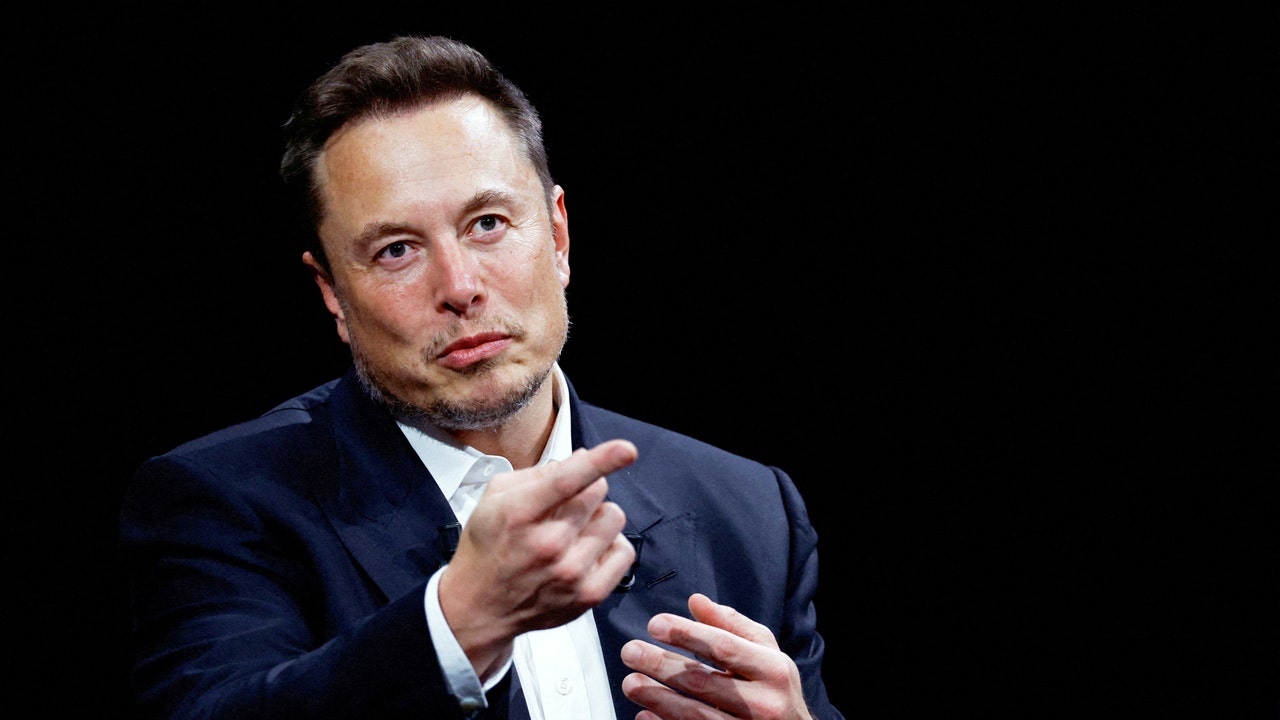
Musk Drops a Merger Hint. Regulators Should Already Be Nervous.
Elon Musk stood on a conference call on Tuesday and casually suggested that merging Tesla and SpaceX would be “a good idea.” He then quickly added that he was a “conflicted party” and could not sit in on the special committees both companies have formed to explore the possibility.
The statement is notable not because it revealed anything truly new — Musk has floated the idea before — but because it came wrapped in specifics that signal this is moving beyond speculation. SpaceX reported its first-ever profit as a publicly traded company on the same call. The committee formation, at shareholder request, gives the proposal a procedural skeleton. Barclays had already suggested in Reuters reports last week that a deal could surface as early as December.
But the path from “good idea” to completed merger runs through one of the most hostile regulatory environments in modern corporate history.
The Synergy Argument Is Real, Even If the Math Is Aggressive
Musk laid out a familiar thesis: the two companies are converging on the same technological frontier. He cited superintelligence software, chip design, the so-called Terafab in Texas, robotics, mass-to-orbit via Starship, and the Starlink constellation as areas where combined resources could accelerate progress.
There is genuine overlap here. Tesla’s Dojo supercomputer and its interest in custom silicon mirror SpaceX’s trajectory with its Starlink ground stations and in-house chip development. Both companies need advanced manufacturing at scale. Both are betting that vertical integration — controlling hardware, software, and distribution — is the only viable strategy against deep-pocketed competitors.
Musk’s revenue projection for SpaceX is where things get aggressive. He said the company expects annual recurring revenue between $500 billion and $1 trillion by the end of 2027. That figure, if achieved, would make SpaceX one of the largest space-related enterprises on Earth and would dramatically shift the calculus around whether the merger could ever clear regulatory review.
SpaceX shares jumped 8% in extended trading following the announcement. The market is pricing in possibility. Regulators will price in risk.
The Antitrust Mountain Is Steep
A Tesla-SpaceX merger would face scrutiny on at least three fronts.
First, the Department of Justice and the Federal Trade Commission would examine whether combining two dominant players in high-growth technology sectors — electric vehicles and satellite broadband — creates or concentrates market power in ways that harm competition. Tesla is already the dominant pure-play EV maker in North America. SpaceX owns roughly two-thirds of the global satellite internet market through Starlink. The overlap in autonomy software, chip design, and AI infrastructure makes the competitive profile more complex than a simple automotive-plus-spaceheadlines calculation.
Second, Musk’s unprecedented cross-company influence is itself a regulatory red flag. He controls both companies through voting structures. He sits on both boards. He is simultaneously the architect of Tesla’s robotaxi strategy and SpaceX’s Starship rollout. A merger would formalize a concentration of decision-making authority that regulators have every reason to scrutinize — particularly in markets where network effects and platform dynamics reward winners taking disproportionate shares.
Third, the international dimension cannot be ignored. Starlink operates in dozens of countries. Tesla manufactures and sells in nearly every major auto market. A combined entity would face antitrust review in the United States, the European Union, China, India, Brazil, and likely elsewhere. Each jurisdiction would assess the deal through its own legal framework, and each would bring different thresholds for what constitutes competitive harm.
The merger would not simply be reviewed by American regulators. It would be negotiated with them.
The Governance Paradox
Musk’s careful disclaimer — that he is a “conflicted party” — highlights the central governance problem with this proposal.
The special committees exist to create a procedural buffer between Musk’s personal interests and corporate decision-making. That is standard practice in related-party transactions. But the buffer has limits when the same person is the majority shareholder, the de facto CEO, and the public face of both organizations.
Shareholders will ultimately need to approve any merger. Musk’s pledge to give every child in America one share of SpaceX next year, if executed, could reshape the shareholder landscape in ways that complicate that approval process. It is also a move that signals how Musk intends to build political and public support around corporate decisions — a pattern that regulators and governance experts should find noteworthy.
Tesla’s own shareholders are a different cohort from SpaceX’s. Aligning their interests around a deal that would fundamentally change both companies’ strategic direction is not a straightforward exercise.
What Would Actually Combine — And What Would Fracture
A merger does not mean everything merges. Some combinations make operational sense. A shared autonomous driving stack, for instance, could benefit both companies. Chip design collaboration at the Terafab could accelerate progress for both. Robotics development could pool research and testing.
Other combinations create friction. Tesla’s quarterly production targets, delivery commitments, and recall obligations are a different rhythm from SpaceX’s launch cadence and mission timelines. The cultures — still divergent after years of shared leadership — would need to reconcile daily operations, not just board resolutions.
The Roadster reveal last week, with its compressed-air thrusters and midair maneuvering, demonstrated Tesla’s willingness to push spectacle. SpaceX’s Starship program has been building its own kind of spectacle through repeated test flights and failures. Combining those identities into a single corporate culture is a challenge no merger document can fully address.
Who Wins. Who Loses. What Happens Next.
If this merger happens — and the December timeline Barclays floated makes it more than idle speculation — the immediate winner is Musk. He consolidates two of the world’s most valuable private-public hybrid companies under a structure that amplifies his control. The combined entity would have access to both Tesla’s manufacturing scale and SpaceX’s capital markets position.
The losers are less obvious but real. Competitors in satellite broadband and electric vehicles face a rival with deeper resources and overlapping technology stacks. Regulators face a precedent-setting deal that could reshape how antitrust law applies to concentrated tech-power in the 2020s. Shareholders in both companies face uncertainty during a period when the market is already pricing in optimism about AI, autonomous vehicles, and space infrastructure.
The most likely outcome, given current regulatory conditions, is that any merger proposal faces a lengthy review process with significant modifications demanded before approval. Musk’s committees may produce a framework agreement. But framework agreements and completed deals are separated by years of regulatory negotiation, not months.
The special committees exist. The market is moving. Musk has signaled intent. But the distance between “a good idea” and a finalized merger is measured in antitrust law, not in conference call enthusiasm.